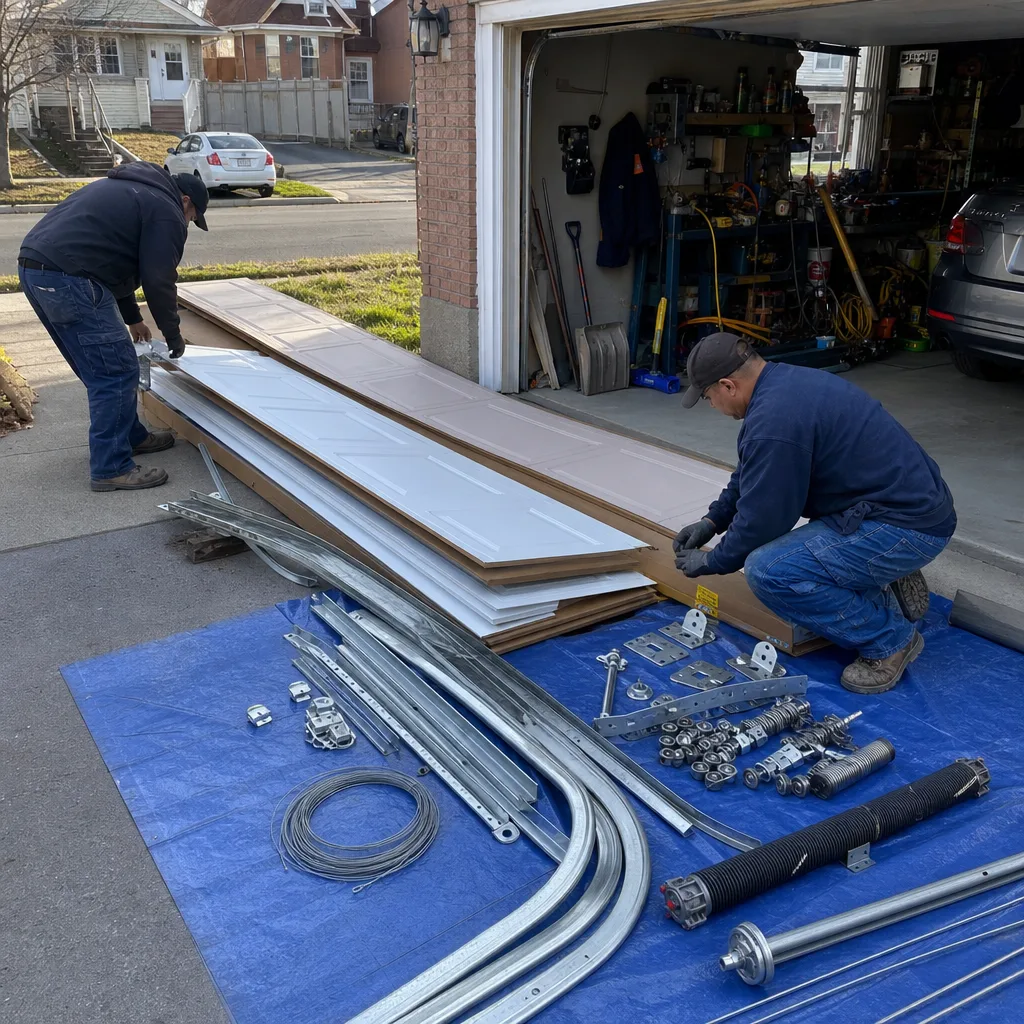
Last updated November 23, 2026
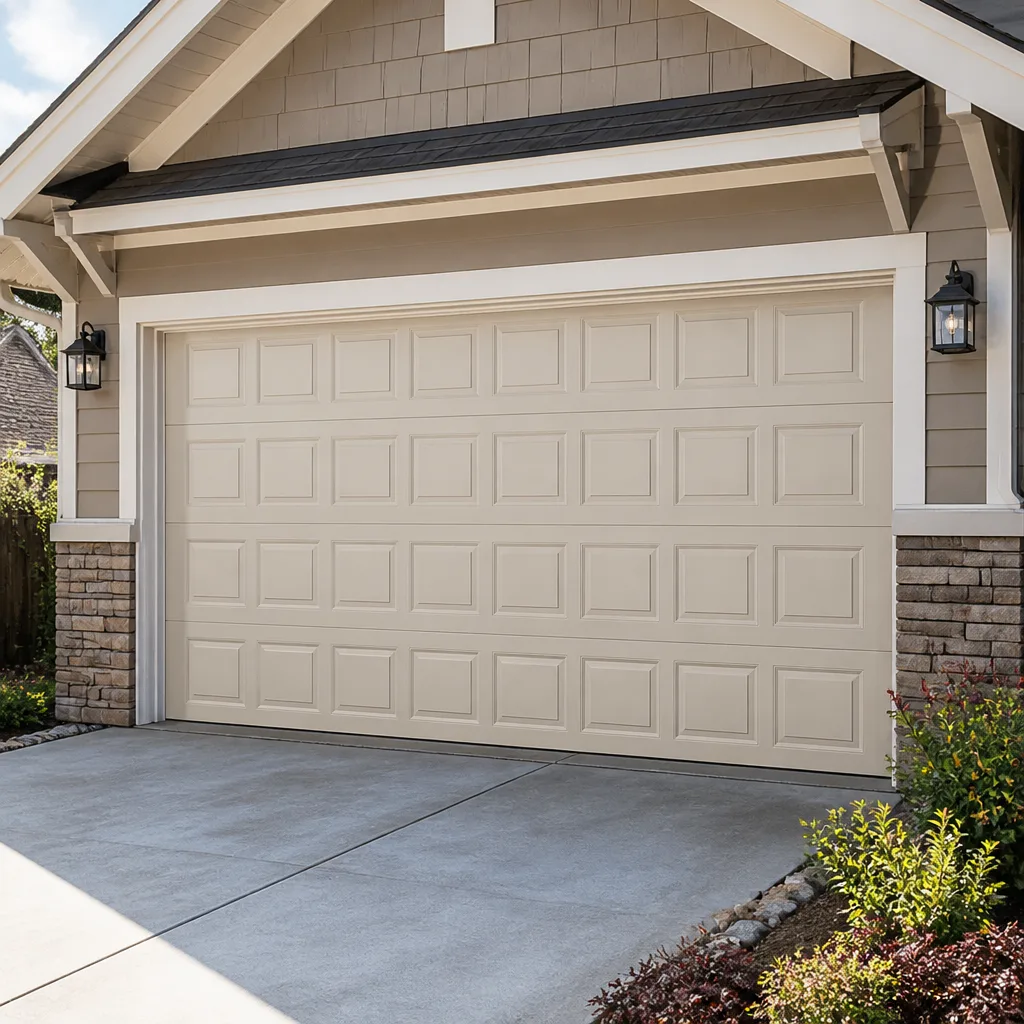 Raised-panel steel
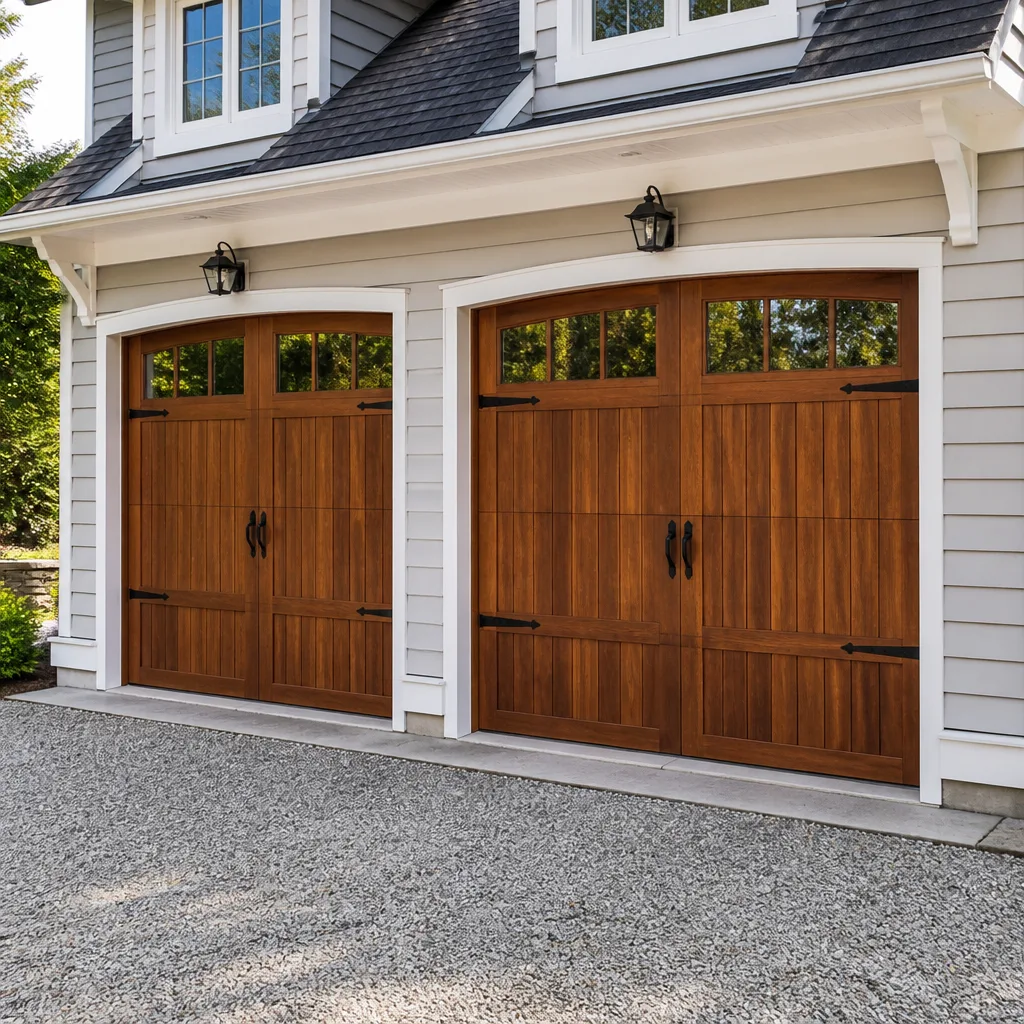 Carriage house
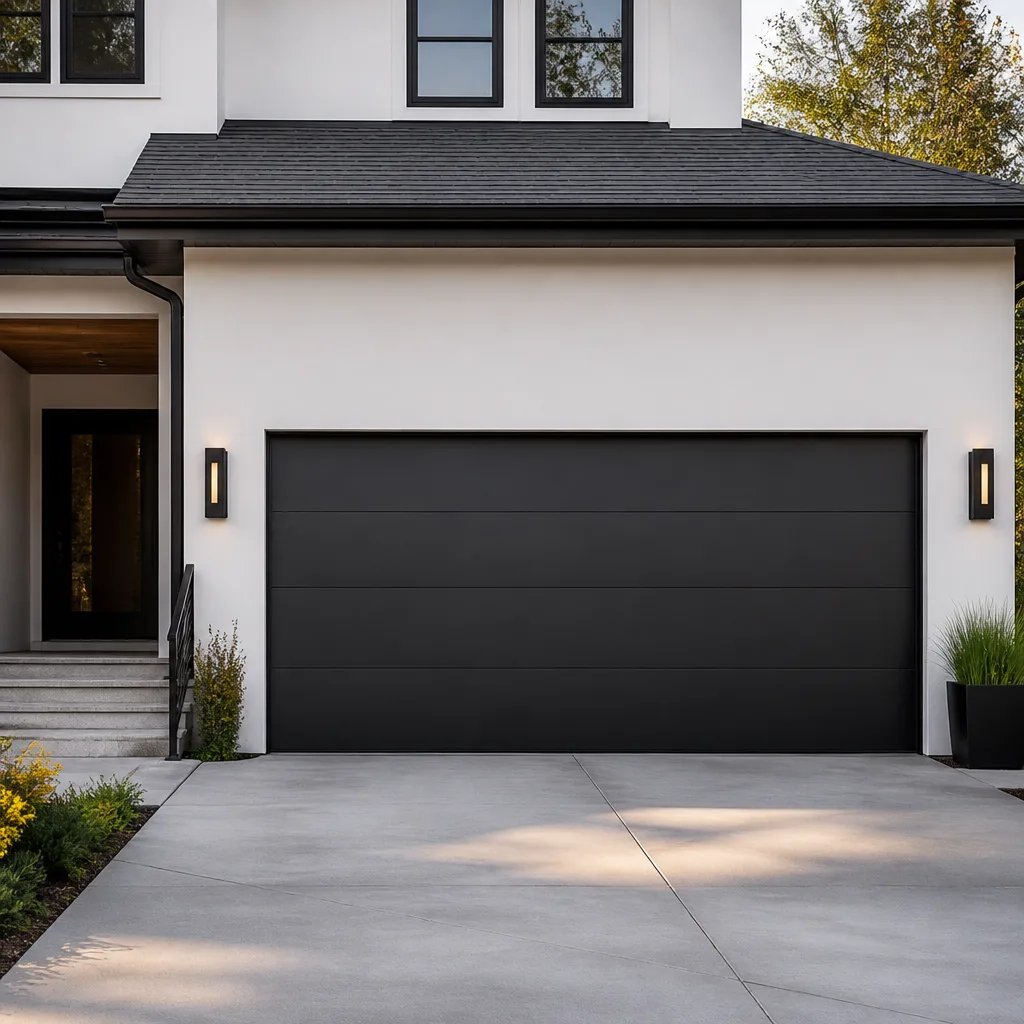 Modern flush
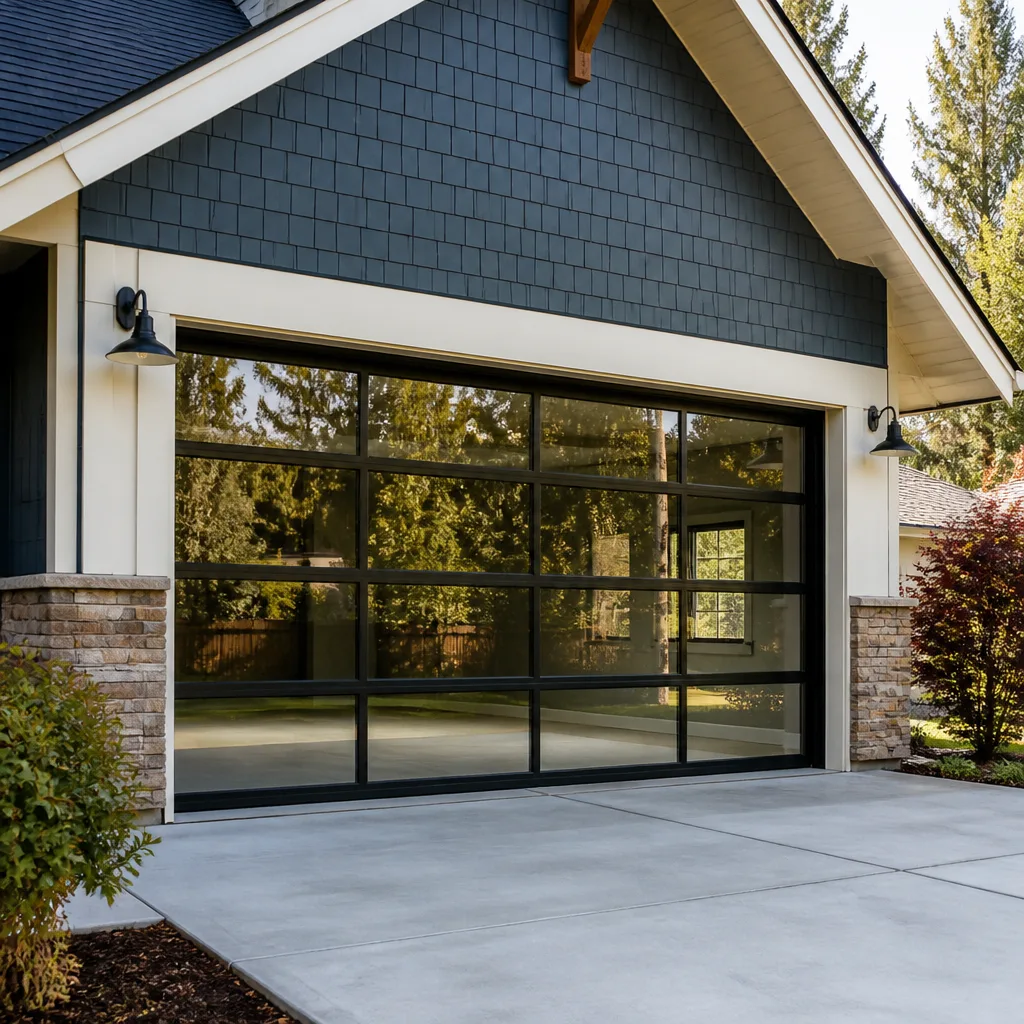 Full-view glass
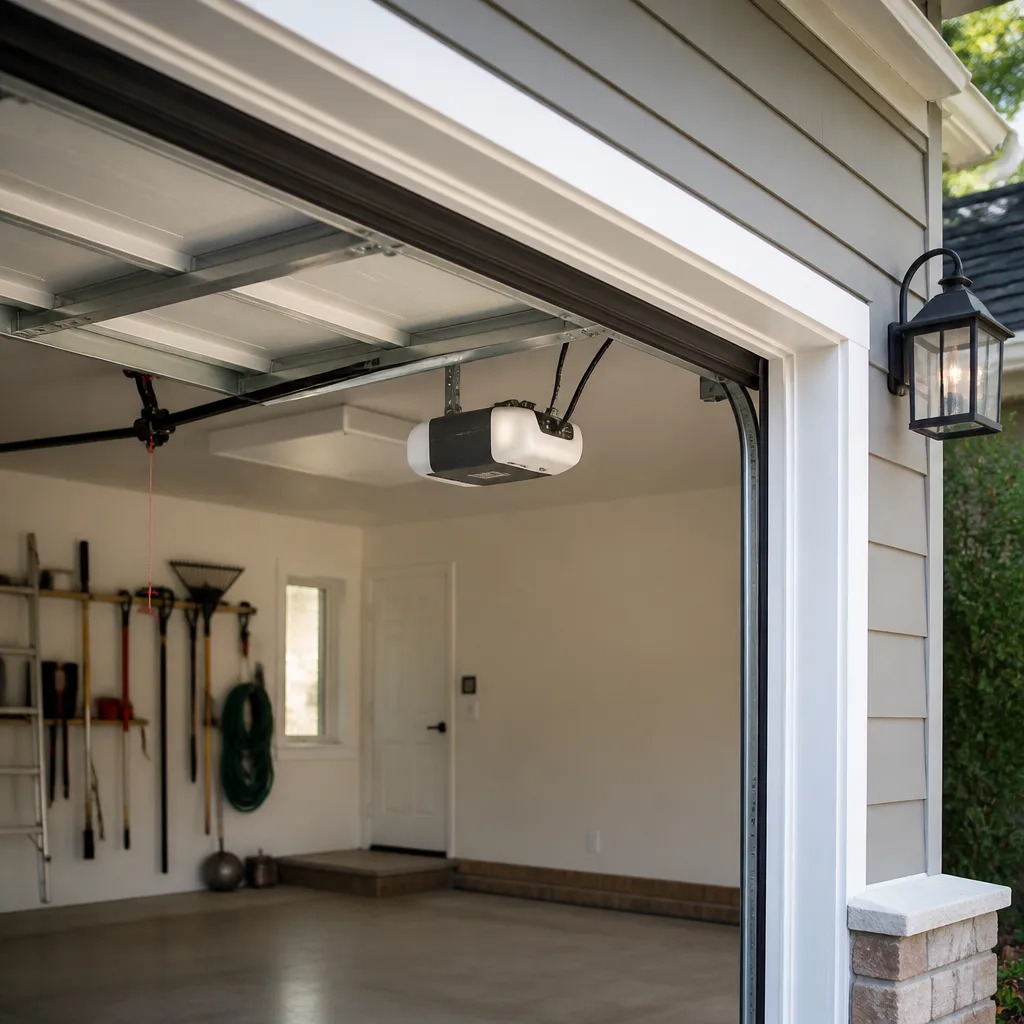 LiftMaster openers
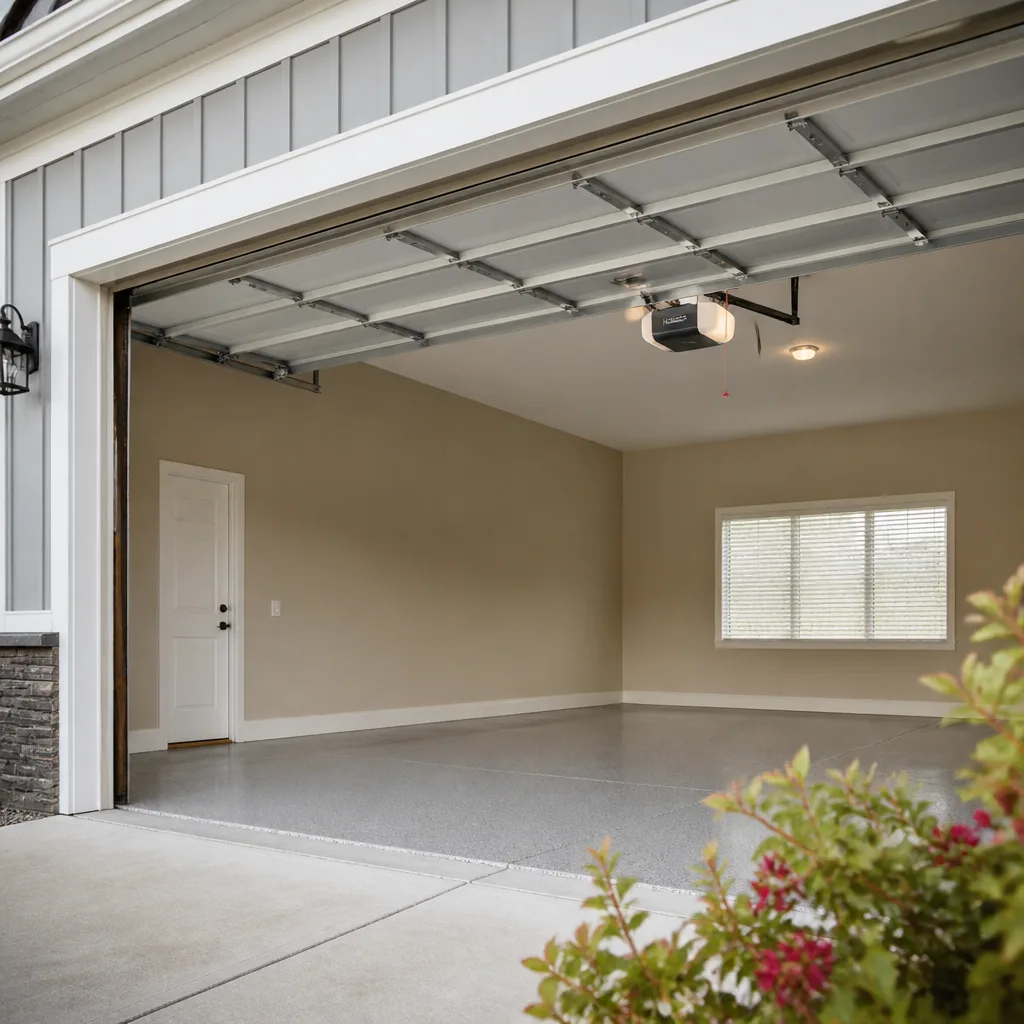 Chamberlain openers
Full 25-point door and opener safety check with every visit - springs, cables, rollers, tracks, and your LiftMaster or Chamberlain opener included
You get a price before we start. It does not change when the pro arrives.
Get your free estimateGarage Door Emergency Preparedness Guide for Weequahic Homes
When a torsion spring snaps at 7am and your car is inside the garage, most homeowners do two things: panic and pull the emergency release. One of those is correct. This guide tells you which one and what comes next. A garage door failure in Weequahic rarely arrives at a convenient moment. It comes on a January morning when the seal is frozen to the slab, on a weekday before work when the opener hums and nothing moves, or when a bumper catches the bottom panel and the whole door hangs crooked. The difference between a manageable morning and an expensive afternoon comes down to preparation and a few correct decisions made fast. We’ll walk through the emergency release, manual lifting, winter freeze-ups, vehicle strikes, and a pre-emergency checklist every Weequahic homeowner should keep. Read it before you need it.
Quick Answer
If your garage door fails in Weequahic, do not pull the emergency release cord while the door is up or if a spring is broken and the door is unsupported. Keep the door closed, keep people clear, and call a specialist. For a broken spring, the door is being held by the spring’s tension, not by the track, and releasing it under load can bring it down hard. Call (833) 508-9169 for a free estimate and prompt help.
Styles & brands we work with
- Raised-panel steel
- Carriage house
- Modern flush
- Full-view glass
- LiftMaster openers
- Chamberlain openers
Table of Contents
- The Emergency Release Cord: When to Pull It and When Not To
- How to Lift a Door With a Broken Spring Safely (Two-Person Method)
- Winter Emergencies in Weequahic: Frozen Seals and Icy Slabs
- Vehicle Strikes and Impact Damage: Securing a Bent Door
- Pre-Emergency Checklist for Every Weequahic Home
- Why Springs Fail and What a Matched Pair Means
- What Emergency Garage Door Work Costs in Weequahic
- Prevention: What Prevents Most Emergencies
The Emergency Release Cord: When to Pull It and When Not To
The emergency release cord exists for one purpose: to disconnect the door from the opener motor when you need to operate it by hand. It is not an emergency brake, and it is not a tool for forcing a broken door open. Pulling it in the wrong moment is the single most common mistake we hear about.
Here’s the plain rule. You can pull the release when the door is fully down, no spring is broken, and the power is out or the opener has failed. In that situation, the door is a counterbalanced weight resting on the floor, and disconnecting it lets you lift it by hand and back your car out. Anything else deserves caution.
Do not pull the release in these situations:
- The door is up and a spring is broken. The spring is what holds the door’s weight. Remove motor control and the door may drop.
- The door is partly open. Releasing it removes the opener’s hold and the door can slam down.
- The cable is slack or hanging off a drum. A slack cable often means a spring has failed. Releasing the door can cause the cable to whip.
- The door is visibly bent or off its track. The opener may be the only thing keeping it from falling.
If any of those apply, leave the release alone and call for help. In our experience, a door that’s left closed and untouched until a technician arrives is far easier to fix than one that’s been forced. If you’re unsure which situation you’re in, call (833) 508-9169 and describe what the door is doing; we’ll tell you whether it’s safe to release.
When it is safe to pull, pull straight down and slightly toward you so the trolley disconnects from the carrier. You should hear a click. Then lift the door slowly with both hands, holding it firmly until it’s fully open. Never let it slam.
How to Lift a Door With a Broken Spring Safely (Two-Person Method)
A standard single-car garage door with a broken spring can weigh between 130 and 200 pounds, and a double-car door can be considerably heavier. The danger isn’t just the weight. It’s the weight distribution. With one spring gone, the door is unbalanced, and the remaining spring may pull one side up while the other drops. That’s how injuries happen.
If you must lift the door by hand to free a car, use two people, one on each side. Here’s the technique:
- Make sure the door is fully closed first. Never start a manual lift with the door partly up.
- Disconnect the opener only if no spring is broken and the door is safely down. Otherwise, leave it connected.
- Stand on the inside, one person per side, and grip the bottom section near the lift handles or inner stiles. Keep your hands away from the hinge joints and the gaps between sections where fingers can pinch.
- Lift together on a count. Raise the door slowly, no sudden movements, and stop if either of you feels the load shift unexpectedly.
- Prop the door open securely before stepping away. Never leave a manually lifted door standing open without support, even for a moment.
If you can’t get the door up safely, don’t force it. Back the car out another way if possible, or wait for a technician. A rolled cable or a snapped spring under load is not a DIY repair. High-tension torsion springs and cables store enormous energy, and they can cause serious injury. We work on these every day, and we still treat them with gloves and winding bars.
We’re often asked whether a door can be lifted with one person. Sometimes, if the door is small and the spring on one side is still intact, but it’s not worth the risk. The two-person method is always safer.
Winter Emergencies in Weequahic: Frozen Seals and Icy Slabs
Weequahic winters bring freeze-thaw cycles that make garage door seals stick to the concrete. When the rubber weatherstripping bonds to the floor overnight, the opener tries to lift, the door won’t budge, and the motor either reverses or strains against the seal. Left alone, this strips the opener gear or burns out the motor.
If the door is frozen shut, do not force it with repeated opener cycles. Instead:
- Find the frozen spot. Run your hand along the bottom seal (wearing gloves) or look for visible ice. It’s usually at the corners or where snow has blown against the door.
- Thaw gently. Warm water poured along the seal, not boiling water, is usually enough. A heat gun on low, kept moving, works well too. Avoid a torch or a hair dryer left unattended near the rubber; it will melt the weatherstripping and warp the bottom panel.
- Don’t pry. A shovel or pry bar will tear the seal and bend the bottom section. That converts a five-minute thaw into a repair call.
Once the door is free, apply a silicone-based lubricant to the seal and the metal track. It keeps the seal supple and reduces the chance of re-bonding. Keep the driveway clear of snow that can pile against the door, and check that the bottom seal isn’t sitting in a puddle that refreezes overnight. For recurring freeze-ups, the bottom seal may need replacement. Over years, the rubber hardens and cracks, and a fresh seal handles the cold better.
Winter is also the season when garage door openers fail. Cold thickens the lubricant in the opener, and the motor works harder. If you hear grinding or the door moves in short jerks, the opener gear or the chain may need attention. That’s a pre-emergency warning worth acting on before it fails outright. Our garage door opener repair team can diagnose the brand you have, whether it’s a LiftMaster, Chamberlain, or an older Craftsman unit.
Vehicle Strikes and Impact Damage: Securing a Bent Door
A car bumper meeting the bottom panel is the most common impact damage we see. The damage is rarely just cosmetic. A bent bottom section can knock the door off its rollers, distort the track, and make the door unpredictable. If you’ve hit the door, the first priority is safety, not the damage assessment.
Take these steps right away:
- Stop. Don’t keep driving. Back slowly away from the door and put the vehicle in park.
- Check the door and the track. Look for sections that have buckled, rollers that have popped out of the track, or cable that’s gone slack.
- Keep everyone clear. A bent door under spring tension can drop or swing suddenly. Don’t stand beneath it, and don’t let anyone try to straighten it by hand.
- Don’t operate the opener. If the door is crooked, the opener can twist it further and damage the track and the motor.
- Document the damage. Photograph the door from several angles, close-up and wide. Capture the vehicle’s position and any creased panels or bent track. Save the photos and the date for your insurer.
For insurance, you’ll want a written assessment of what’s damaged and what it takes to repair or replace. We can provide that with a free estimate. Call (833) 508-9169 and describe the impact. If the door is hanging open and won’t close, we treat it as an emergency. A door that’s left open all night leaves the garage unsecured.
In our experience, most vehicle strikes damage the bottom panel and the bottom bracket. Some can be repaired section by section, and some need a full door replacement. The decision depends on the door’s age, the brand, and whether replacement panels are still available. Brands like Wayne Dalton, Raynor, and Clopay have long parts histories, which helps.
Pre-Emergency Checklist for Every Weequahic Home
The best time to prepare for a garage door emergency is before it happens. A few notes written down and taped inside the garage can save you a confusing, stressful morning. Here’s what to have ready:
- Where your emergency release cord hangs. Every home should know which side of the door it’s on and whether it’s reachable without a ladder.
- Your opener brand and model. It’s usually printed on the motor head or the wall control. Having it written down lets us diagnose faster.
- The door’s branding and panel style. Look for a sticker on the bottom section or the track. Wayne Dalton and Raynor doors often have a label; others have a stamped code. A photo of the label works.
- The age of your springs, if you know it. If a spring has been replaced, note the year. Garage door torsion springs are rated in cycles, and most are rated for about 10,000 to 20,000 cycles. A door used four times a day reaches 10,000 cycles in roughly seven years. That’s a general rule, but it helps you plan.
- The number to call. Tape (833) 508-9169 inside the garage. In a panic, a posted number beats unlocking your phone.
- A manual release tool. A step stool near the release cord if it hangs high, and a pair of gloves.
We also recommend testing the door’s safety reverse function once a month. Place a roll of paper towels under the door and close it. If the door doesn’t reverse when it meets the roll, the safety system needs attention. A door that won’t reverse is a hazard, especially with kids or pets in the garage. That’s a repair worth scheduling before it becomes an emergency.
Why Springs Fail and What a Matched Pair Means
Springs are the most commonly failed component in a garage door, and they’re the most dangerous to replace. A torsion spring stores enough energy to lift a door several times over. When it breaks, the door becomes dead weight on the opener, and the opener is not designed for that.
There are two spring systems. Torsion springs mount on a metal shaft above the door and twist as the door opens. Extension springs run along the horizontal tracks on either side. Both do the same job: counterbalance the door’s weight so a small motor, or a person, can lift it.
A spring typically fails from metal fatigue at the end of its rated cycles, not from age alone. You can’t see fatigue, but you can hear the warning signs. A door that’s getting harder to lift, a door that jerks or hesitates, or a spring that looks stretched are all reasons to call before a break.
When one spring breaks on a two-spring door, the other spring is nearly as old and has taken double the load since the break. That’s why we replace them as a matched pair. Replacing just the broken one means the older spring is likely to fail within months, and you’ll be back to square one. For dedicated spring work, our garage door spring repair team handles torsion and extension systems, and we tell you honestly when a single spring replacement makes sense.
Spring replacement is not a job for a general handyman. The tension in a wound torsion spring is released in a fraction of a second. We use proper winding bars and follow the manufacturer’s procedure, and we always recommend the same to homeowners: leave it to a trained technician.
What Emergency Garage Door Work Costs in Weequahic
Costs vary by the job, but here’s a typical range to expect. These are estimates, and the written quote you receive is the price you pay.
- Single spring replacement: roughly $180 to $340. A matched pair usually costs about twice that, since both springs are replaced together.
- Opener repair or replacement: roughly $150 to $450, depending on the brand and whether the whole unit is swapped.
- Panel replacement for impact damage: roughly $250 to $600, depending on the panel style and whether the track is bent.
- Door off track: roughly $150 to $350, assuming no bent panels or broken springs.
- Full door replacement: roughly $900 to $2,500 or more, depending on size, material, and brand.
Emergency work doesn’t mean surprise pricing. We quote the job and agree on the price before any work starts. If the diagnosis changes once we’re on site, we’ll tell you why and get your approval before proceeding. For a free estimate, call (833) 508-9169.
If your door needs more than a repair, our garage door installation service covers full replacements, and we work with brands like Clopay, Amarr, and Wayne Dalton.
Prevention: What Prevents Most Emergencies
Most garage door emergencies are foreseeable. The door gave warning, and it was ignored. Here’s what actually reduces the chance of an emergency.
- Lubricate twice a year. A silicone-based lubricant on the springs, hinges, rollers, and track keeps the door moving smoothly. Don’t use heavy grease; it attracts grit and thickens in the cold.
- Tighten hardware periodically. The vibration of daily use loosens bolts. A quick check with a wrench prevents a hinge from coming loose mid-cycle.
- Watch the springs. A spring showing a visible gap or a stretched coil is close to failing. Replace it before it does.
- Test the balance. Close the door, pull the release (safely, with the door down and no broken springs), and lift the door halfway. It should stay in place. If it drops or rises, the springs are out of balance.
- Keep the tracks clear. Don’t store things against the track, and check the track for bends after any impact.
These steps don’t eliminate every problem, but they catch the ones that build slowly. For routine repair work that won’t wait, our garage door repair service handles the full range, and our Garage Door Repair Weequahic page has the full list of what we cover. We’ve seen enough doors in Weequahic to know that a small repair today beats a big replacement later.
Common Mistakes to Avoid
- Pulling the release with the door up. This is the mistake that causes doors to crash. The release disconnects the opener, which may be the only thing holding the door. If the door is up and a spring is broken, call us and leave the release alone.
- Forcing a frozen door with the opener. Repeated cycles against a frozen seal will strip the opener gear or burn out the motor. Thaw the seal first.
- Trying to straighten a bent door by hand. A bent panel under spring tension can snap back or drop. Secure the door and get an assessment.
- Replacing one spring and not the other. The remaining spring has taken double the load since the break and is likely to fail within months. Replace as a matched pair.
- Ignoring a slack cable. A hanging cable means a spring has failed or a drum has slipped. Never pull or rewind it yourself; the cable can whip under load.
- Using the emergency release as a workaround for a broken opener. If the opener is dead, you can manually operate the door only with no broken spring and a fully closed door. Otherwise, get the opener fixed.
- Letting a door hang open overnight after a strike. An unsecured garage is an invitation. If the door won’t close, call us and we’ll secure it.
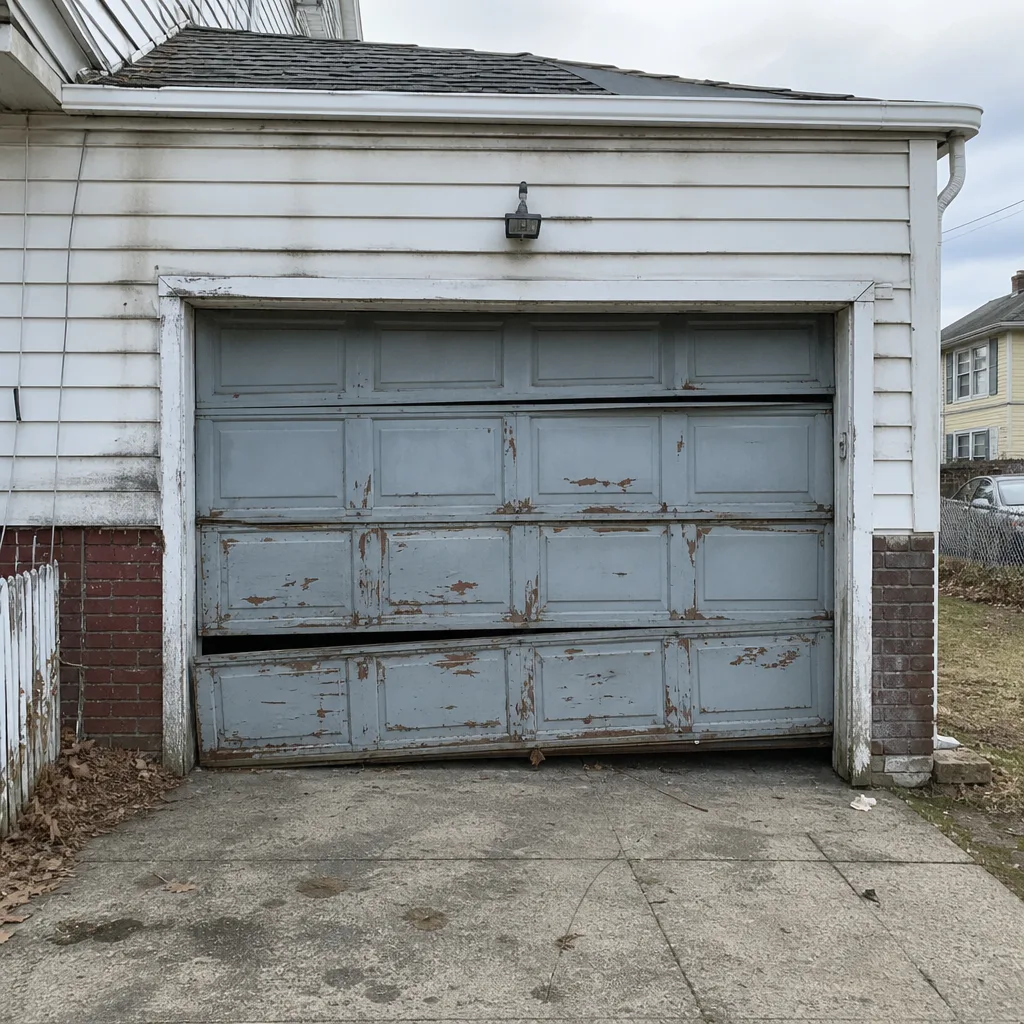
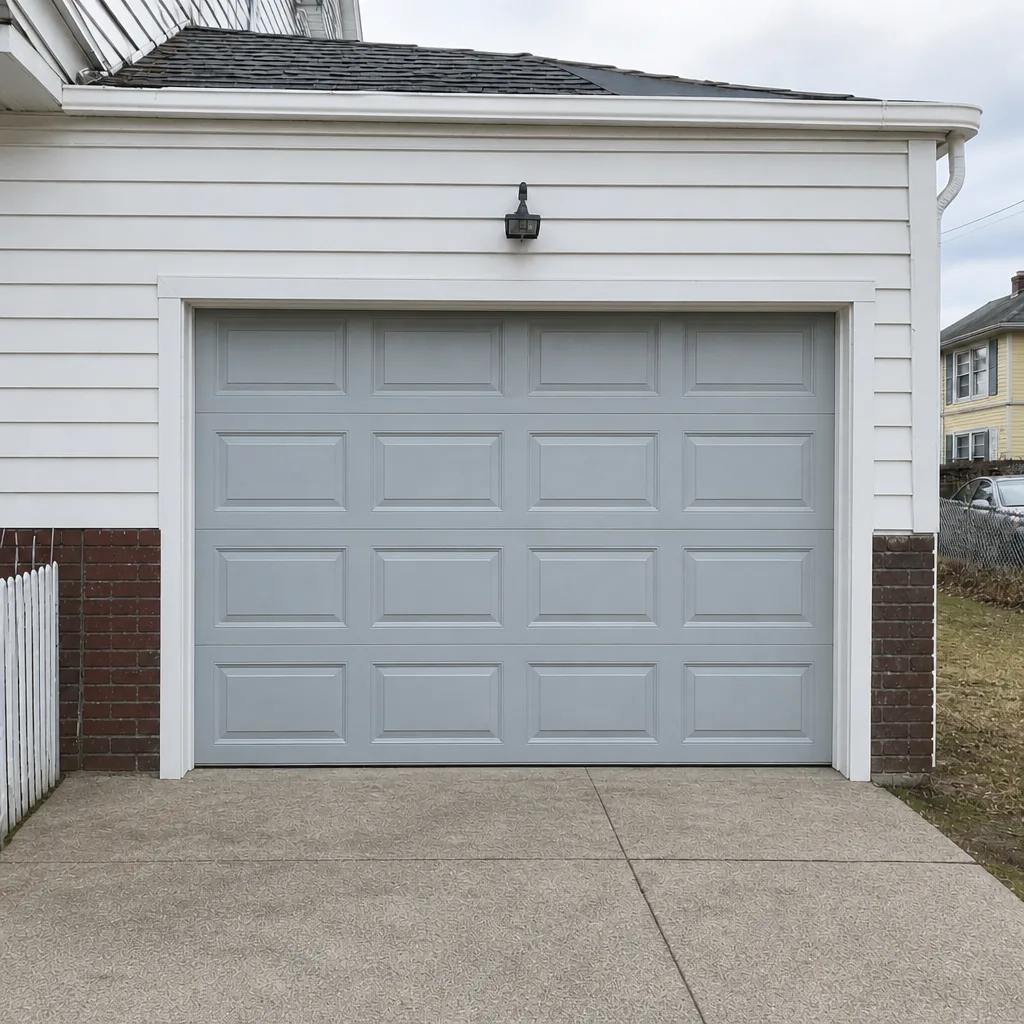
See the difference
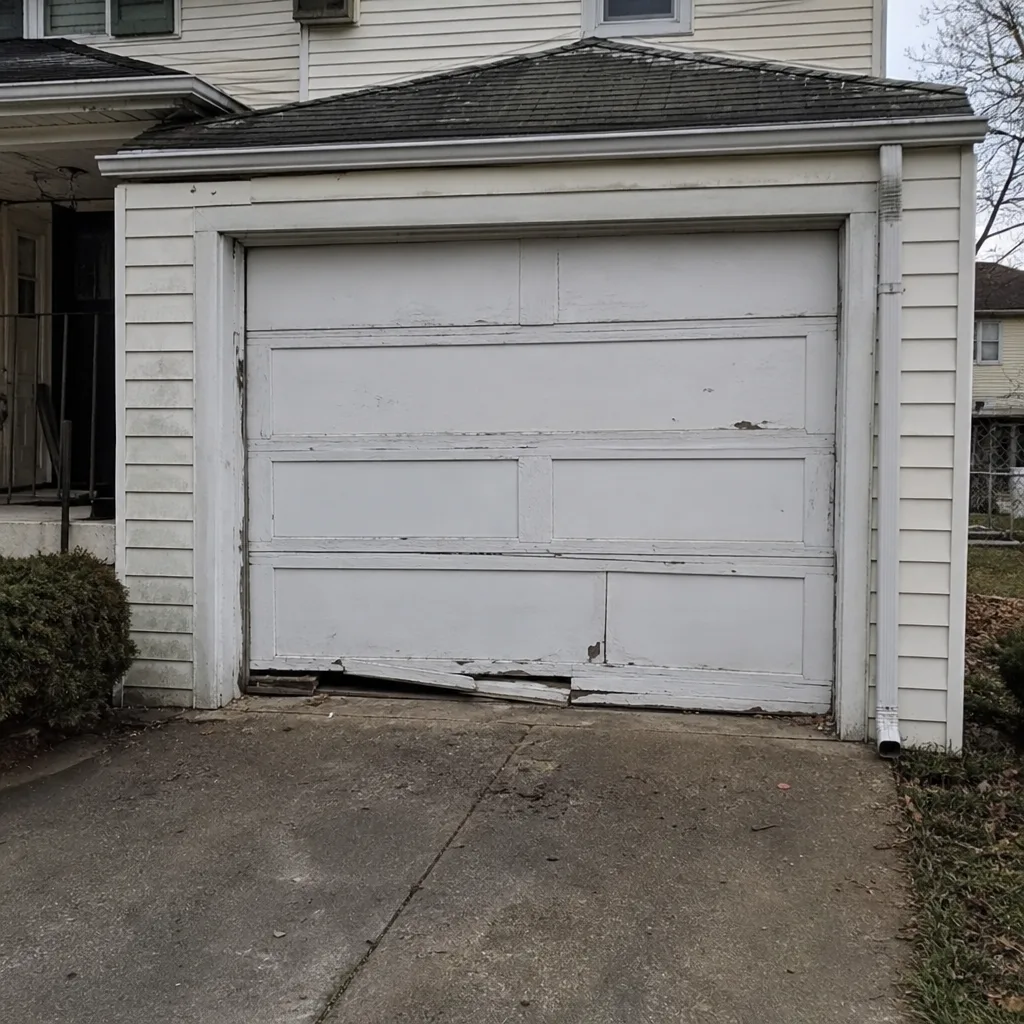 Before
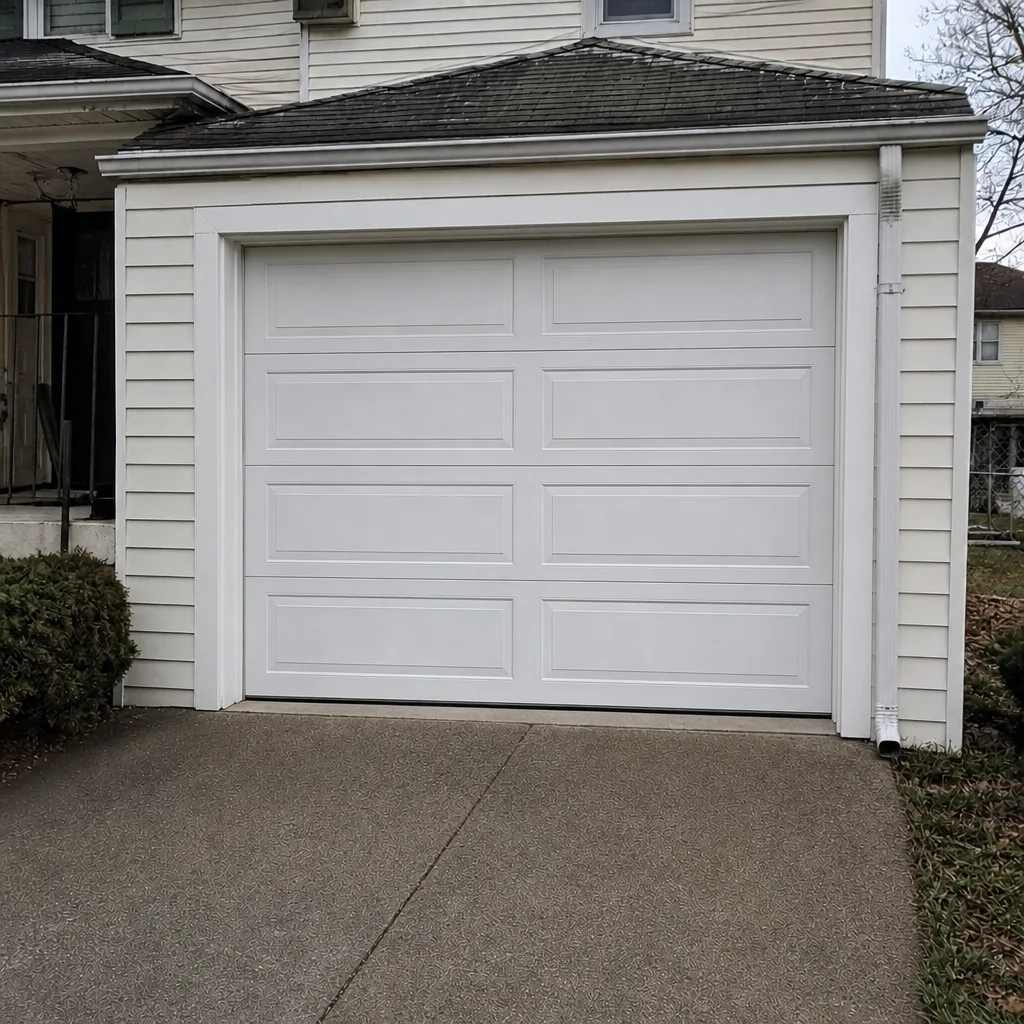 After
 Before
 After
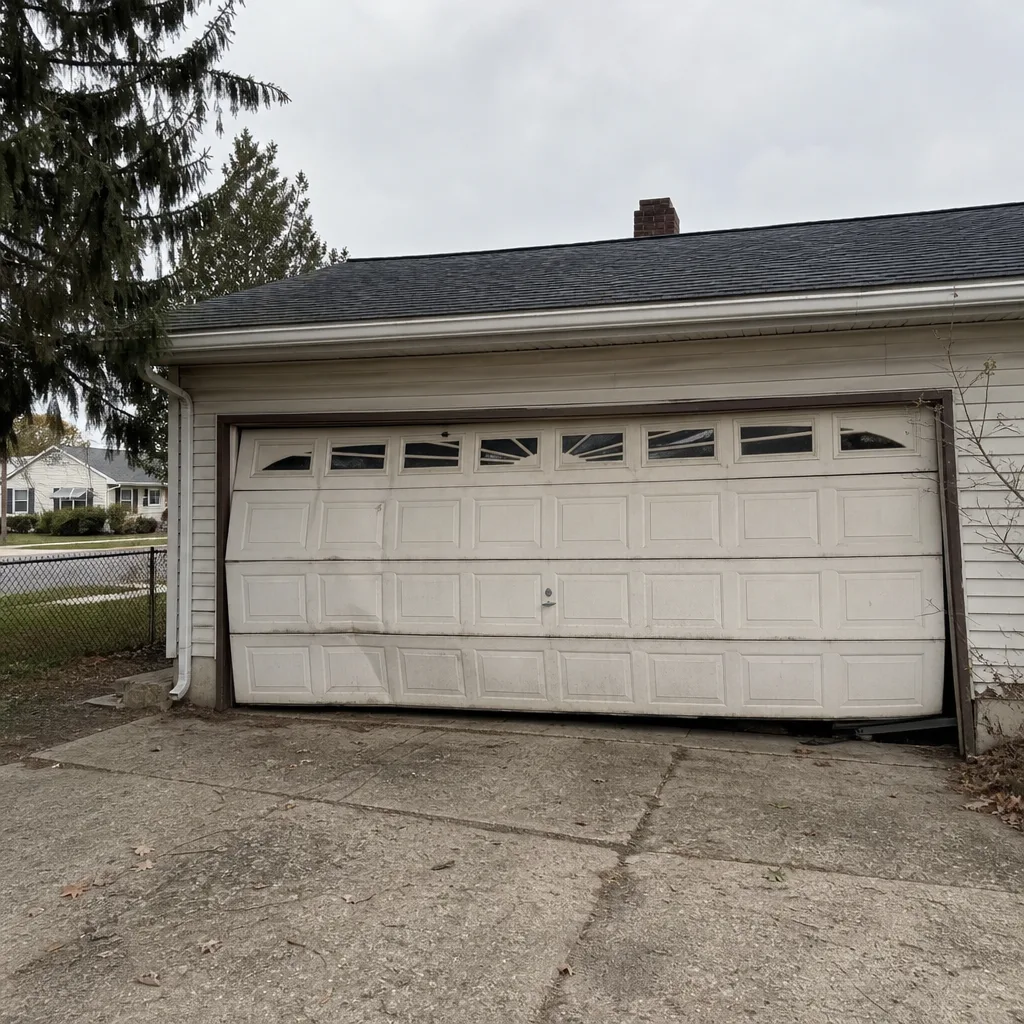 Before
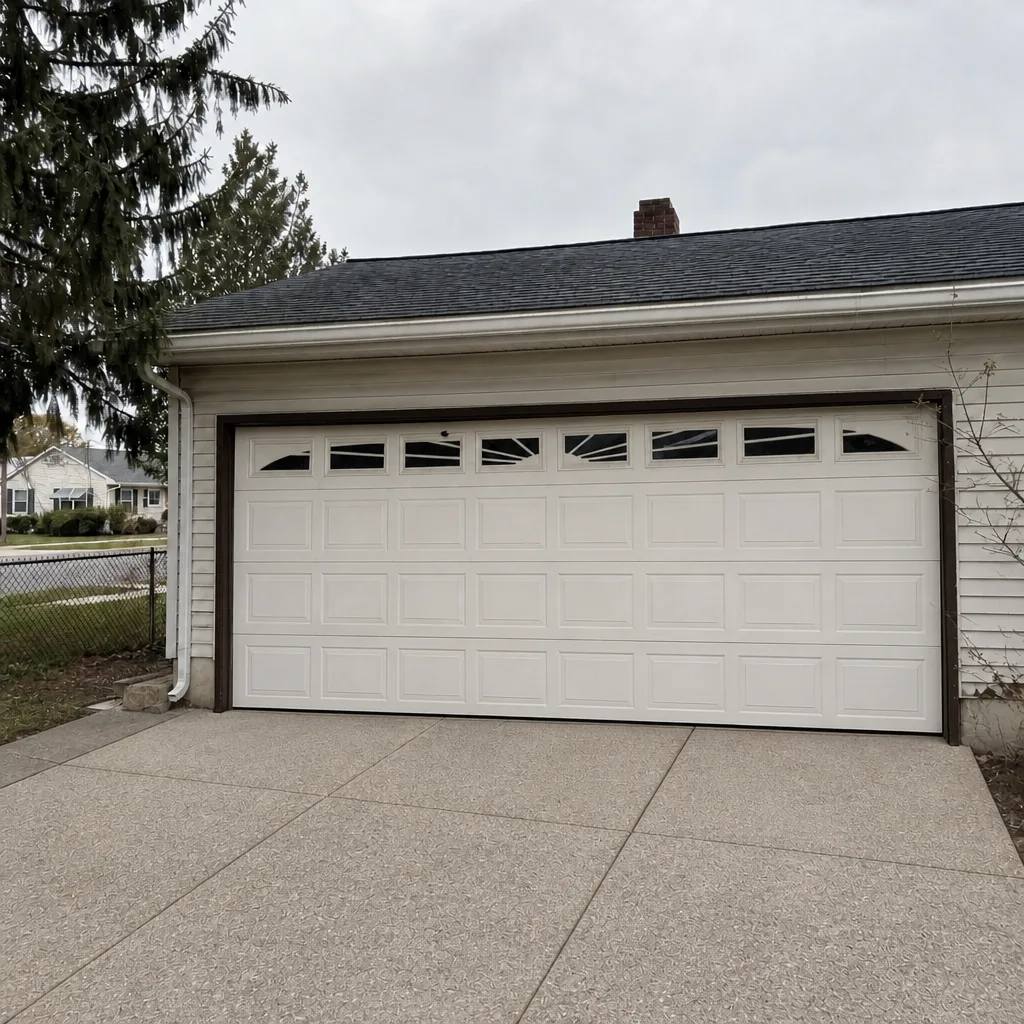 After
When to Call a Professional
Call a professional when a spring is broken, a cable is slack or hanging, the door is off track or visibly bent, or the opener will not lift a door that should be lifting. These are the situations where forcing the door risks injury or makes the repair more expensive. A technician can diagnose the problem, quote a price, and fix it correctly the first time. Garage Door Repair Weequahic offers free estimates in Weequahic. Call (833) 508-9169 for prompt help.
Our technicians have up to 8 years of experience, and we work on LiftMaster, Chamberlain, Genie, Clopay, Amarr, Wayne Dalton, Craftsman, and Raynor equipment. Emergency garage door service is a core offering, not an add-on. If a door fails and can’t wait for a scheduled appointment, we’re set up for it.
Frequently Asked Questions
It is safe only when the door is fully closed, no spring is broken, and the power is out or the opener has failed. Pulling the release with the door up, or with a broken spring, can cause the door to drop. If you’re not sure, call (833) 508-9169 before you pull it.
No. Do not try to lift a door with a broken spring by yourself. The door is unbalanced and can weigh well over 100 pounds. Use two people, one on each side, keep hands away from hinges, and prop the door securely if you must lift it. Better yet, leave it closed and call a technician.
Don’t force it with the opener. Pour warm, not boiling, water along the bottom seal to thaw the bond, or use a heat gun on low, and never pry with a shovel. Once free, lubricate the seal with silicone. If it freezes repeatedly, the bottom seal may need replacement.
Only close it if the door is undamaged and moves freely. If the track is bent or a panel is buckled, don’t operate the door. Photograph the damage for insurance, keep everyone clear, and call for an assessment. Call (833) 508-9169 for a free estimate.
Most torsion springs are rated for about 10,000 to 20,000 cycles, and a door used four times a day reaches 10,000 cycles in roughly seven years. That’s the general rule. If your springs are past their rated cycles, plan a replacement before they fail.
Yes. Emergency garage door service is one of our core offerings. If a door fails and can’t wait for a scheduled appointment, call (833) 508-9169. We’ll quote the price and get your approval before any work begins.
The Bottom Line
Preparedness is the whole game with garage door emergencies. Know when to pull the release and when to leave it. Never force a frozen door or a bent one. Use two people if you have to lift a broken door, and replace springs as a matched pair. Keep your opener brand, door brand, and our number written down and taped inside the garage. If you’re facing an emergency in Weequahic right now, call (833) 508-9169 for a free estimate. We quote the job before we start, and we tell you what’s wrong in plain terms.
For a free estimate or to schedule a repair, call Garage Door Repair Weequahic at (833) 508-9169. We connect you with vetted local garage door professionals who are licensed and insured as their state requires, and we handle repair, spring repair, opener repair, and full installation across eight major brands.
Written by the team at Garage Door Repair Weequahic.