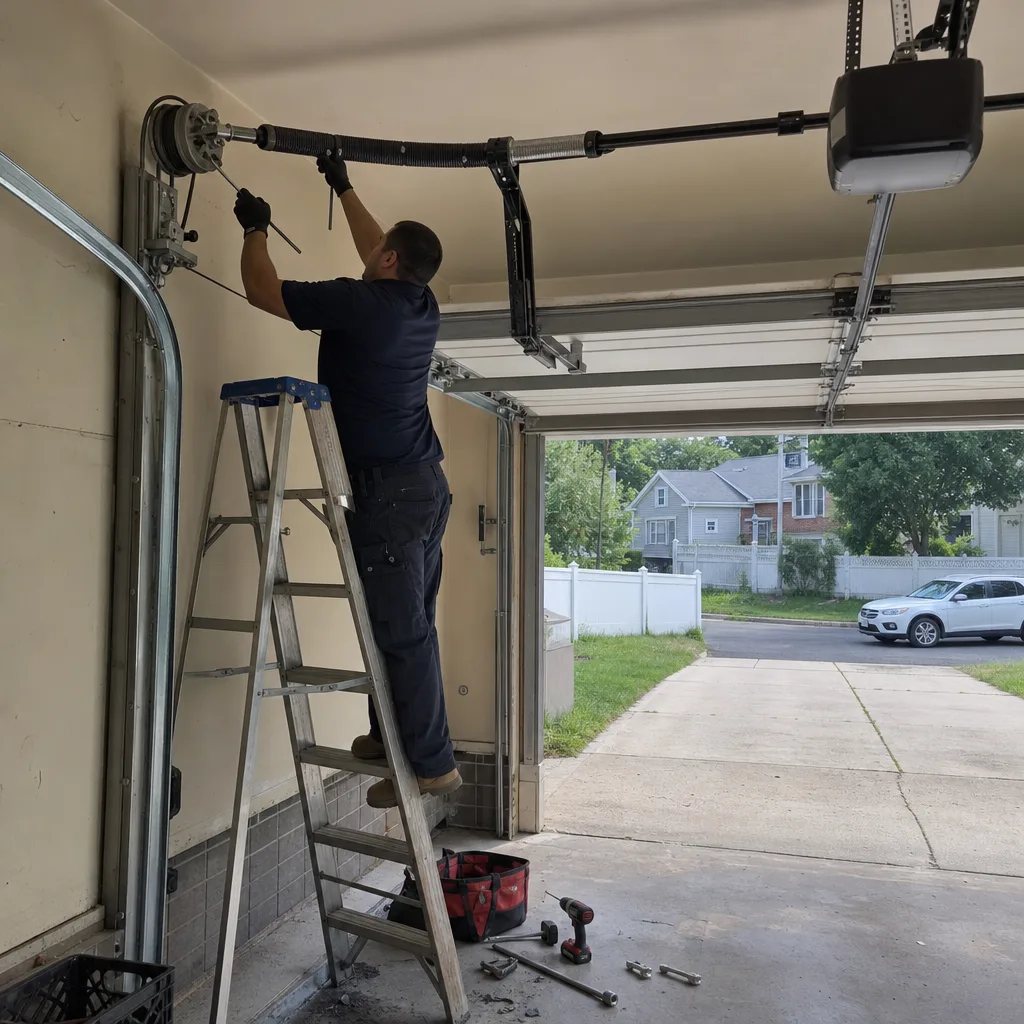
Last updated November 23, 2026
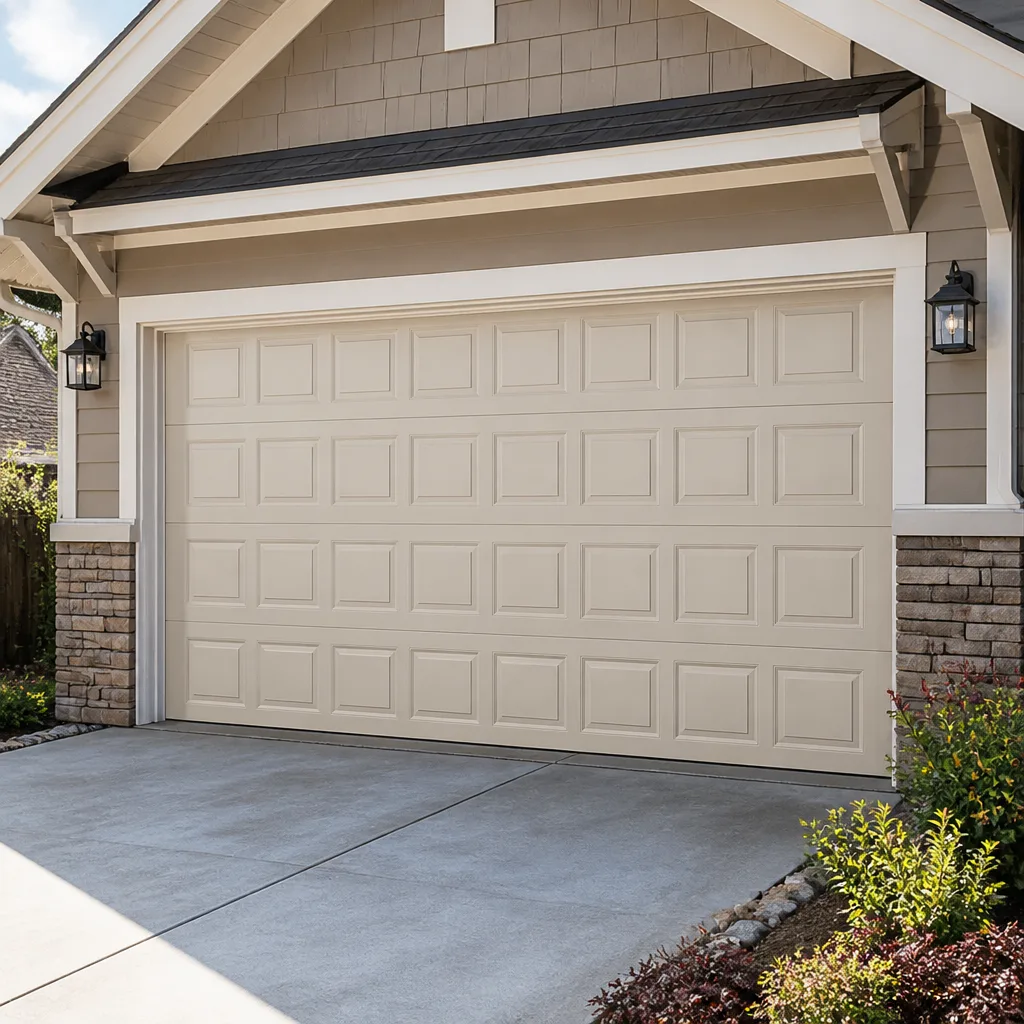 Raised-panel steel
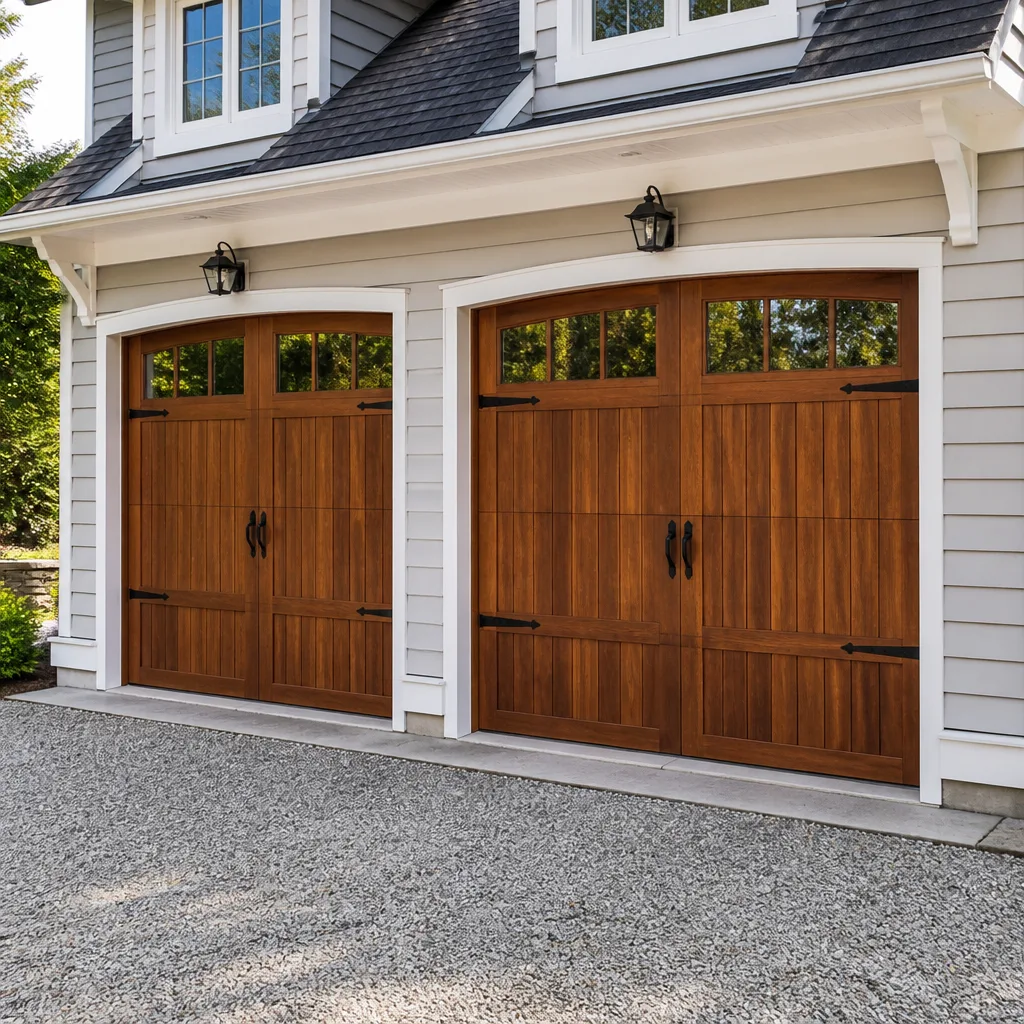 Carriage house
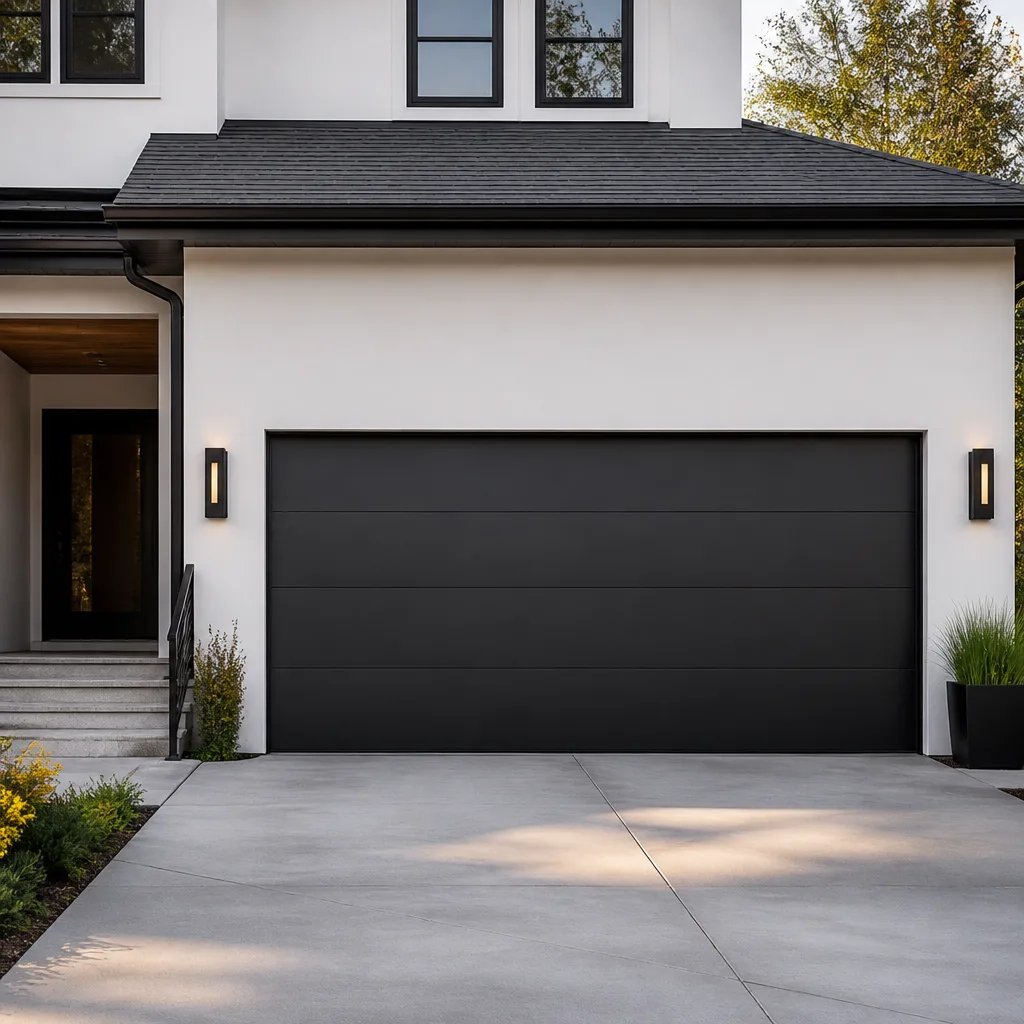 Modern flush
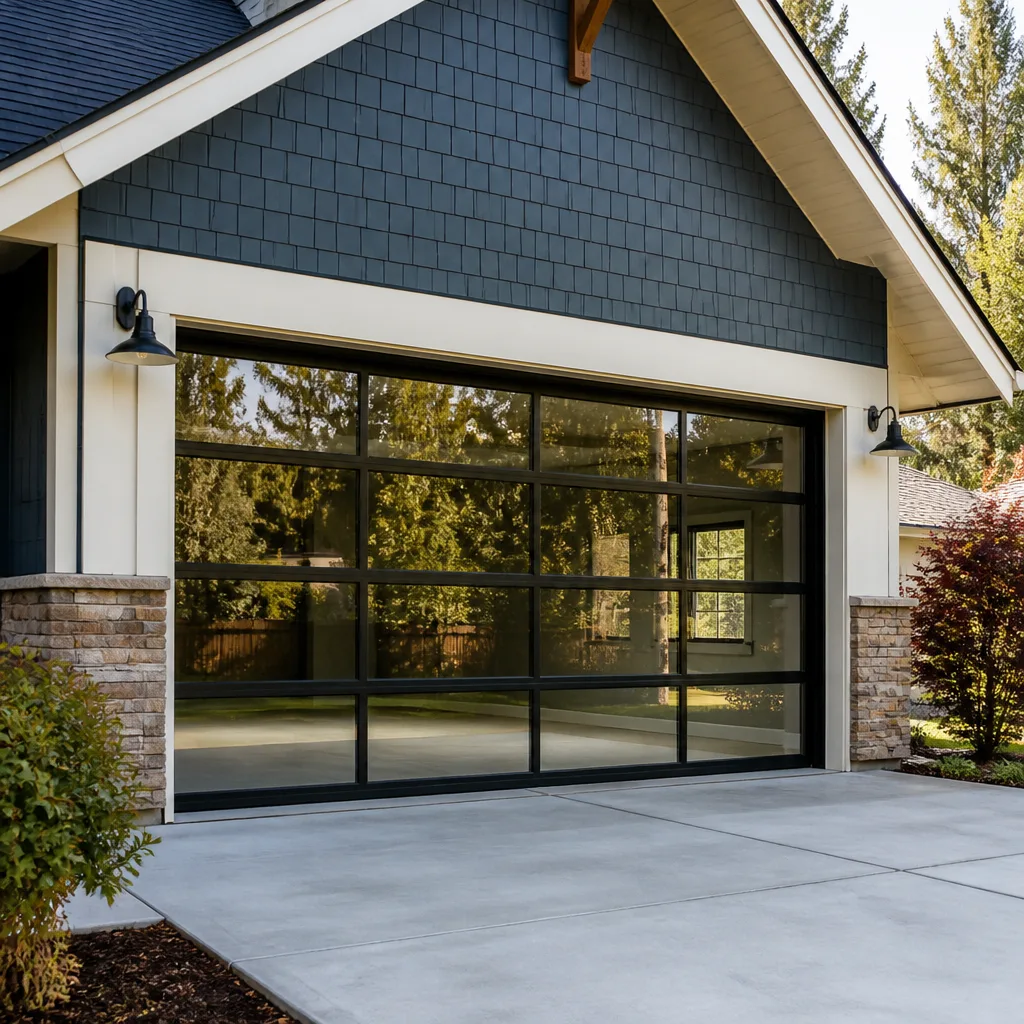 Full-view glass
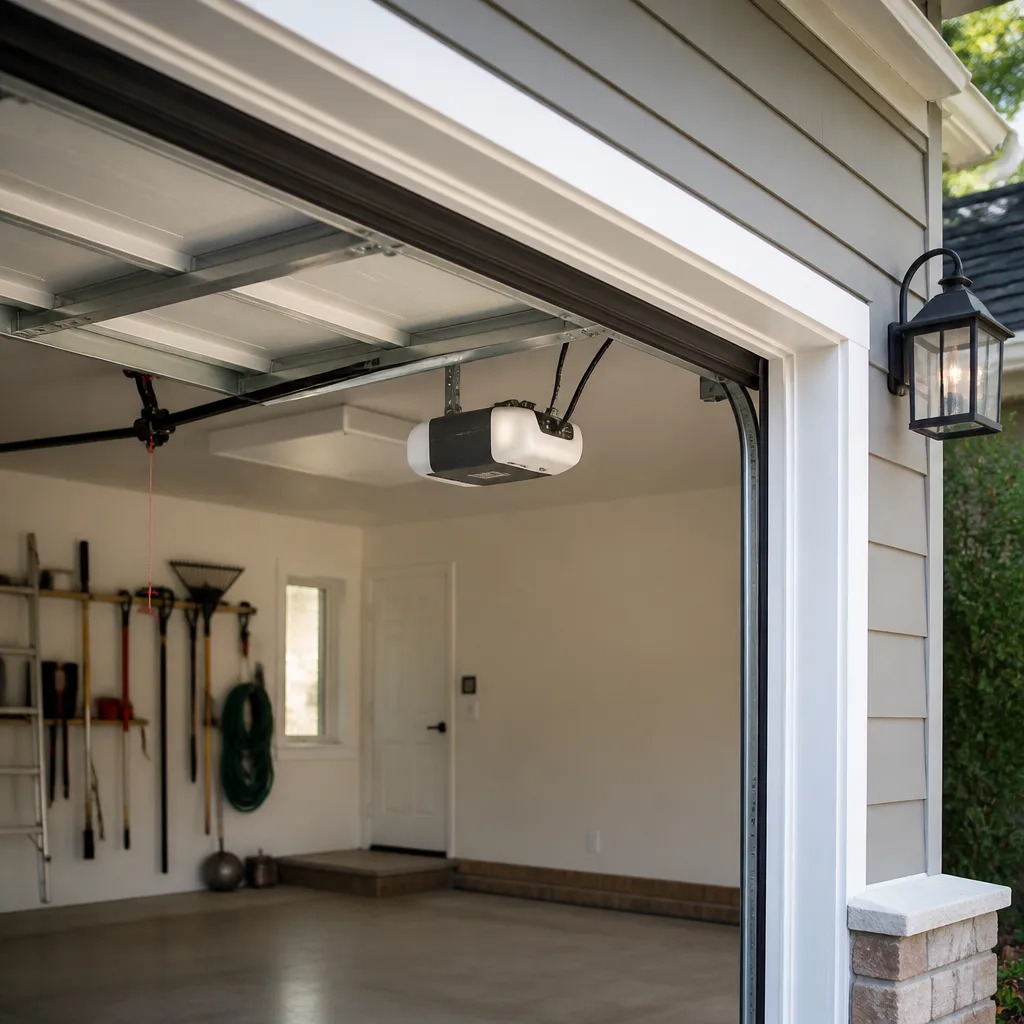 LiftMaster openers
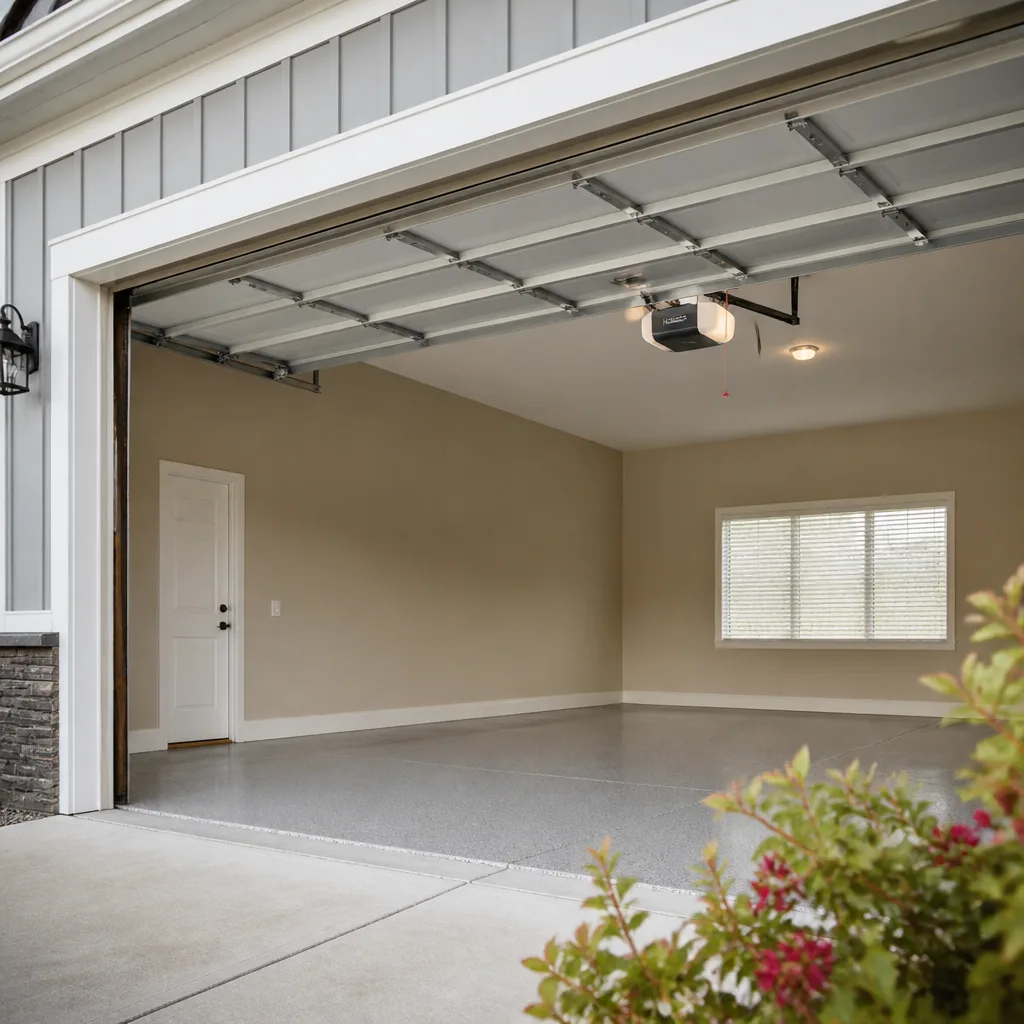 Chamberlain openers
Full 25-point door and opener safety check with every visit - springs, cables, rollers, tracks, and your LiftMaster or Chamberlain opener included
You get a price before we start. It does not change when the pro arrives.
Get your free estimateGarage Door Permits, Codes & Inspections in Weequahic, NJ: What You Need to Know
Most homeowners assume a garage door is a simple appliance swap, like replacing a dishwasher. It isn’t. In New Jersey, a full door replacement is construction work governed by the state’s Uniform Construction Code, and whether you need a permit comes down to a single legal distinction between a repair and an alteration. Get that distinction wrong in Weequahic and the consequences surface years later, usually at the worst possible moment: a home inspection, an insurance claim, or a closing table. This guide explains what Newark and Essex County actually enforce on garage doors, what a code officer inspects, and how to make sure your paperwork is clean. It’s written for Weequahic homeowners who’d rather know the rules now than discover them later.
Quick Answer
A structural garage door replacement, meaning a new door installed in the opening with new track, hardware or anchorage, generally requires a permit under New Jersey’s Uniform Construction Code and a inspection by the local construction official. A repair, meaning replacing a spring, cable, roller, panel, or opener on an existing door in the same opening, generally does not. The practical rule: if you’re changing the door itself, ask about a permit first. If you’re fixing a component of a door that’s staying put, you usually aren’t crossing that line.
Styles & brands we work with
- Raised-panel steel
- Carriage house
- Modern flush
- Full-view glass
- LiftMaster openers
- Chamberlain openers
Table of Contents
- Repair vs. Alteration: The NJ UCC Line That Decides Everything
- What Newark Requires for a Residential Garage Door Permit
- Wind Load and Anchorage: Why the IRC Matters in Essex County
- What a Code Officer Actually Checks at Inspection
- How Unpermitted Work Affects Insurance Claims
- Title Transfer: The Consequence Nobody Mentions
- Weequahic’s Housing Stock and Garage Door Code Realities
- What Your Contractor Should Hand You
Repair vs. Alteration: The NJ UCC Line That Decides Everything
New Jersey’s Uniform Construction Code draws a legal distinction between a repair and an alteration, and garage door work can fall on either side depending on what’s actually happening. A repair restores something to working order without changing its character. An alteration changes the structure, the configuration, or the load-bearing elements of the building. Swapping a torsion spring is a repair. Cutting new anchor points into the header above the opening, changing the door’s size, or installing a door where a solid wall used to be is an alteration. The line is about the building, not the door.
In our experience across Weequahic, the confusion usually starts when a homeowner is replacing a door that’s the same size and style as the old one. That feels like a repair. It isn’t. A full replacement is a new installation in the opening, and most New Jersey municipalities treat it as an alteration that requires a permit. The trade contractor who says “you don’t need a permit for a door swap” is often the same one who won’t be around if the inspection gets flagged later.
Here’s how we break it down for homeowners deciding whether to pull a permit:
- Replacing a spring, cable, roller, hinge, or panel on an existing door: repair, no permit in most cases.
- Replacing an opener motor or rail on an existing door: repair, no permit in most cases.
- Installing a new door in an existing opening, including new track and hardware: generally an alteration, permit required in most Essex County municipalities.
- Changing the door size, height, or configuration: alteration, permit required.
- Building or modifying the opening itself, framing, headers, or anchorage: alteration, permit required, and this is where structural review usually enters.
When in doubt, call the local building department and ask specifically whether a garage door replacement in your structure needs a permit. It’s a two-minute phone call that can save a real headache. If you’re only fixing the door that’s already there, the answer is almost always that you don’t need paperwork. If you’re replacing it, assume you do until the city tells you otherwise.
What Newark Requires for a Residential Garage Door Permit
Weequahic sits inside Newark, which means garage door permits for this neighborhood run through the city’s construction office, not a suburban township office. Newark’s requirements follow the state baseline but add local steps: a completed permit application, a description of the scope, the contractor’s New Jersey licensed trade credentials, and typically a plan or drawing showing the existing and proposed door configuration. For a straightforward swap in an existing opening, the drawing can be simple. For anything involving structural change, expect a licensed architect’s or engineer’s drawing to be requested.
Newark also runs its permits through an online portal for most residential work. In practice, that means your contractor should be able to give you the permit number, the application date, and the inspection status once it’s pulled. If they can’t produce that, they didn’t pull it. That’s the single most useful thing to know about Newark’s process: everything is tracked, and the record is searchable. An unpermitted job doesn’t disappear because nobody complained. It just sits in the record as absent.
A few things that trip people up about Newark’s process specifically:
- Licensing: The contractor pulling the permit must be licensed in New Jersey for the work they’re doing. A handyman who’s not licensed can’t legally pull a construction permit for a garage door installation even if the work is minor.
- Owner-builder option: New Jersey allows a homeowner to pull a permit as an owner-builder for their own primary residence in some cases, but the inspection requirements and liability don’t change. Standard advice is to let the contractor carry the permit.
- Final inspection is on you: The permit isn’t closed until the final inspection is approved. A contractor who pulls the permit but never schedules the inspection leaves you with an open permit, which is the exact problem that surfaces at resale.
If you’re doing a straightforward installation in Weequahic, the best path is to work with a contractor who handles the permit as part of the job. For a full door replacement, see our page on garage door installation to understand what the process involves before the paperwork starts.
Wind Load and Anchorage: Why the IRC Matters in Essex County
The International Residential Code requires garage doors to be designed and installed to resist the wind pressures calculated for the specific address. In Essex County, that calculation is not an academic exercise. The wind-load requirements for residential structures in this part of New Jersey are set by the state’s adoption of the IRC, and the design pressure depends on the exposure category of the site, the height of the door, and the opening dimensions. A door installed with the wrong anchors, or with hardware rated for a different wind speed, doesn’t meet code even if it closes fine and looks perfect.
In practice, this is where a lot of cheap installations fall apart under review. The door panel itself may be rated for a specific design pressure. The track may be rated too. But the connection to the building, meaning the anchors, brackets, and jamb attachment, is where the load actually goes. A code officer can look at an installation and see that the door panel is stamped for a wind rating and the anchors are undersized or spaced too far apart, and that’s a fail. It’s the kind of thing you can’t spot from the driveway. You need to know what hardware the door was specified with and confirm it’s what got installed.
For a Weequahic garage attached to a house that’s been standing for decades, this matters more than in new construction because the header and jambs may not have been originally built for the door you’re now putting in. The IRC doesn’t care that the opening was there before. If the new door’s design pressure requires more anchorage than the existing framing provides, the build has to happen.
When you get a written estimate for an installation, ask specifically:
- What design wind pressure is this door specified for?
- What are the anchor specifications, and how do they compare to what the opening can support?
- Will the installation plan including wind-load specifications be submitted with the permit application?
- What documentation from the manufacturer will be provided to the inspector?
We work with door brands like Raynor and Clopay that publish wind-load ratings for their product lines, which makes the permit process cleaner. Not every brand makes it easy to get the documentation a Newark inspector will want.
What a Code Officer Actually Checks at Inspection
A garage door inspection by a Newark construction official is not a test drive. The inspector isn’t checking whether the door closes smoothly or whether the opener beeps. They’re checking code compliance on the elements the permit was issued for, and the list is fairly predictable once you know what’s on it. The final inspection is the one that closes the permit, and it’s the one that matters.
What the inspector typically looks at:
- Door and hardware are the specified products. The manufacturer’s labels should match what was on the permit application. If the door installed isn’t the one that was approved, that’s a problem.
- Anchorage to the framing. Hinges, tracks, brackets, and spring anchors should be fastened to solid framing with the specified hardware. Loose or missing anchors in the header are a common fail.
- Wind-load rating. If the permit specifies a design pressure, the installed door and hardware should carry that rating.
- Safety features. On an automatic opener installation, the inspector checks the photo-eye reversal system and the pressure-safety reversal (the mechanism that makes the door reverse when it hits an object).
- Entrapment protection. On a powered door, the operator’s entrapment protection means the safety reverse system plus the photo-eye, both of which are required by the IRC on residential automatic garage doors.
- Final visual inspection of the opening. No structural defects, no alterations outside the approved scope, and the opening matches the drawing submitted with the application.
What the inspector does not do, in our experience: test the spring, check the balance of the door, or verify the opener’s programming. Those are contractor-level quality checks. The inspection is about code, not performance. So a door can pass inspection and still be badly installed. That’s why the contractor you choose matters as much as the paperwork.
How Unpermitted Work Affects Insurance Claims
Homeowner’s insurance doesn’t generally ask whether your garage door was permitted when you bought the policy. It asks when a claim is filed. If a garage door contributes to a loss, such as a structural failure at the opening, damage from a door that failed under wind load, or a claim stemming from a door that injured someone on the property, the adjuster’s first move is to look at the permit record and the installation documentation. An unpermitted installation in Weequahic is visible in that record. So is a permit that was pulled but never inspected.
What the insurer does with that information varies by carrier and by the specific claim, and we don’t want to overstate it. But the general pattern is this: unpermitted work is a question mark that a claim can’t easily resolve. The burden shifts to you to prove the work was done correctly, and you may not have the documentation to prove it. If the installer can’t be located or won’t return a call, that’s a problem you can’t undo after the fact. We can work with your insurer on documentation for repairs, but we can’t manufacture a permit that was never pulled.
The cleanest protection is to make sure the permit exists and the final inspection is approved before the last check changes hands. That’s not about us. It’s about what happens if you need the paperwork later and don’t have it.
Title Transfer: The Consequence Nobody Mentions
The exact moment an unpermitted garage door installation becomes someone else’s problem is usually the sale of the house. New Jersey’s residential real estate process includes a disclosure form that asks about permits and unpermitted work, and a buyer’s inspector will flag a newer garage door in an older house as a question. The seller then either produces the permit and final inspection, or discloses that the work was unpermitted. The first scenario is a five-minute conversation. The second can stall a contract.
What a stalled closing actually looks like is less dramatic than people fear and more annoying than people expect. The buyer’s attorney asks for documentation. You can’t produce it. The buyer asks for a price reduction or an escrow hold to cover the cost of re-inspection and possible remediation. Your attorney advises you to work it out. The timeline moves out by weeks. Sometimes the sale goes through anyway at a lower number. Sometimes it doesn’t.
The other side of this is more common and less obvious: a buyer who doesn’t care about the permit at all until they refinance or sell again, and the same problem passes forward. It’s a small, quiet chain of unpermitted doors going from owner to owner in the same Weequahic blocks, and each one costs the owner who finally has to deal with it. Getting the permit pulls your house out of that chain. It’s the difference between a technician fixing a door and a homeowner documenting an installation.
Weequahic’s Housing Stock and Garage Door Code Realities
Weequahic’s housing is largely early-to-mid twentieth-century, with detached and semi-detached homes that were built when the garage was a smaller structure than what a modern household expects to house a car, a bike, and a season’s worth of other things. The garages in Weequahic were often spec’d as single-bay openings with wood jambs and headers that were sized for a much lighter door than what’s available today. When a homeowner replaces a wooden door with an insulated steel door, the load on the header increases. That’s where code reality enters the picture: the building may have been built to a code that no longer matches what the new door requires.
The winter climate in this part of New Jersey matters too. Freeze-thaw cycles work on the jamb attachment and the bottom seal. Doors that see repeated movement in cold weather and then warm up in spring tend to show their weakest hardware first: the hinges, the bottom brackets, the spots where anchors work loose. It’s not a code issue, but it’s the reason a code-compliant installation has to be done right at the anchor level, not just at the panel. An inspector can’t catch a jamb that will loosen in two winters, but the installer can prevent it.
Where Weequahic’s geography adds a specific wrinkle is in lot layout. Many garages in this neighborhood sit close to the property line or under the main roofline, which means the door frame is often structurally tied into the house rather than freestanding. That changes the wind-load calculation and, in turn, the anchorage requirements. A door that would be fine on a detached garage in a lower-exposure setting may need heavier hardware here. If you’re working with something like a LiftMaster opener in a retrofit, the door’s structural requirements come first and the opener spec follows.
If your door is currently on the fritz and you’re deciding between repair and replace, our garage door repair team can walk through what’s actually failed before anyone starts talking permits.
What Your Contractor Should Hand You
The paperwork is the difference between a clean installation and a future problem. When the job is done, you should be able to put your hands on a clear set of documents. If you can’t, ask for them before you write the final check. It’s not an unusual request: a contractor doing permitted work expects to provide it, and a contractor who resists the request is telling you something.
The documentation set should include:
- The permit number and date. This is the searchable record in Newark’s system. Ask for it in writing, even if it’s just an email with the number.
- The final inspection approval. The inspection has to be scheduled, conducted, and approved. The permit isn’t closed until it is. Get the approval confirmation, not just proof the inspection was scheduled.
- The manufacturer’s installation instructions for the specific door and opener. On opener work through brands like Chamberlain or Genie, the installation manual carries the entrapment protection requirements the inspector will check.
- Wind-load specifications for the door and hardware. This is what an insurer or a future buyer’s inspector may ask for, and it’s much easier to get at the time of installation than years later.
- A written description of the work performed in plain language, including the door model, opener model, and any structural framing that was added or modified.
We keep this documentation for customers because it’s the kind of thing that ends up being needed long after the job is closed, usually by someone other than the original homeowner. Our technicians have up to 8 years of experience across both door and opener brands, which means the same person who specifies the door also knows what documentation the Newark inspector will want. That’s not a small thing when you’re dealing with a code officer who’s seen a lot of installations that got the panel right and the paperwork wrong.
Common Mistakes to Avoid
- Assuming a door swap doesn’t need a permit. A new door in an existing opening is generally treated as an alteration under New Jersey’s UCC, not a repair. The size and style being the same doesn’t change that. Ask the city before the contract is signed, not after.
- Pulling the permit but never scheduling the final inspection. An open permit is worse than a closed one and functionally similar to an unpermitted one at resale. The permit number isn’t the point. The final approval is.
- Hiring a handyman to install a new door. Unlicensed contractors can’t legally pull a construction permit for a garage door installation in Newark. If they’re installing without a permit, you own the consequences, not them.
- Ignoring the wind-load specifications because the door “seems fine.” The panel can be rated correctly and the anchors undersized. Both have to match the design pressure for the address, and both get reviewed at inspection.
- Replacing a lightweight door with a heavier one on original framing. The header and jambs on a Weequahic garage were sized for the original door. If the replacement is heavier or has a different wind rating, the framing may need to be modified, which is permit territory.
- Treating the permit as the contractor’s problem. The permit is issued to the property. If the contractor walks away with an open permit, that’s your record that’s dirty, not theirs. Keep the documentation.
- Trusting a verbal “it’s already permitted.” Verify the permit exists in Newark’s system before the work starts, not after. A permit that’s been applied for is not the same as a permit that’s been approved.
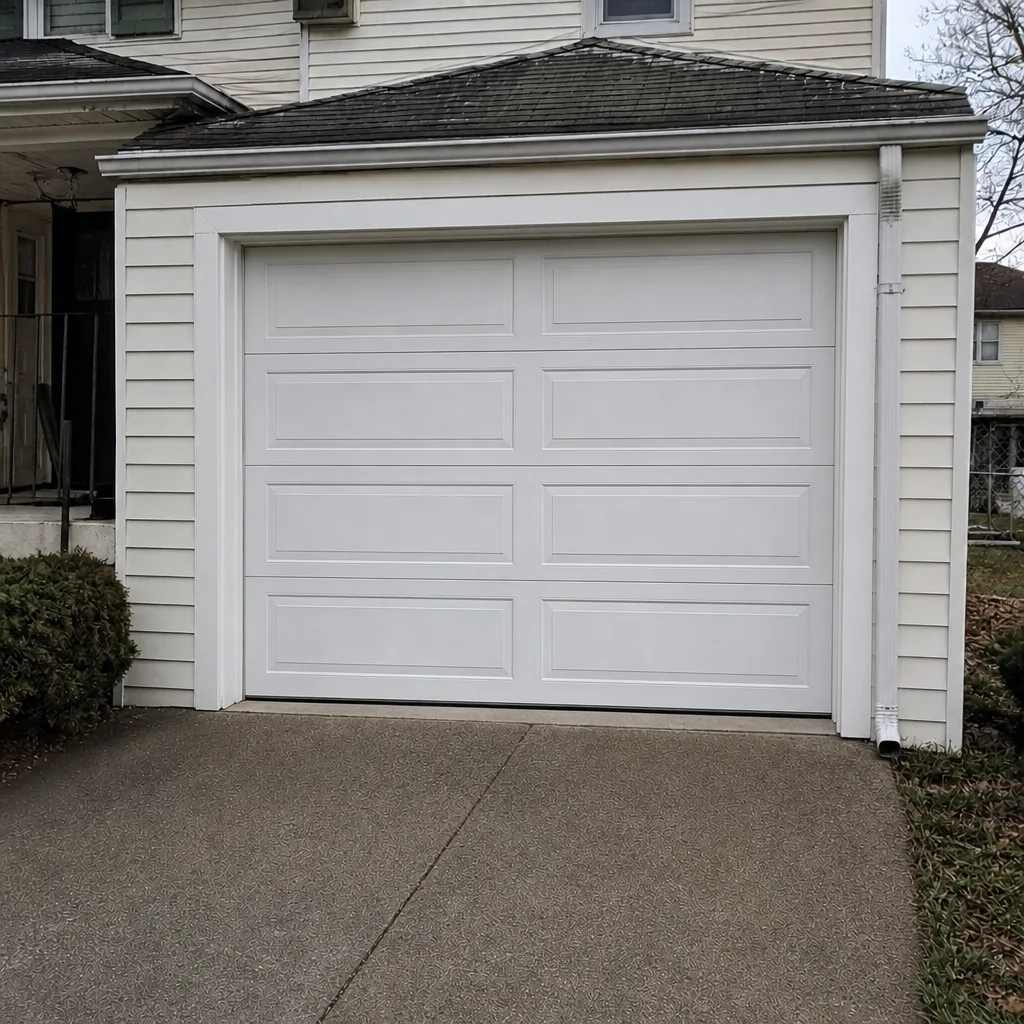
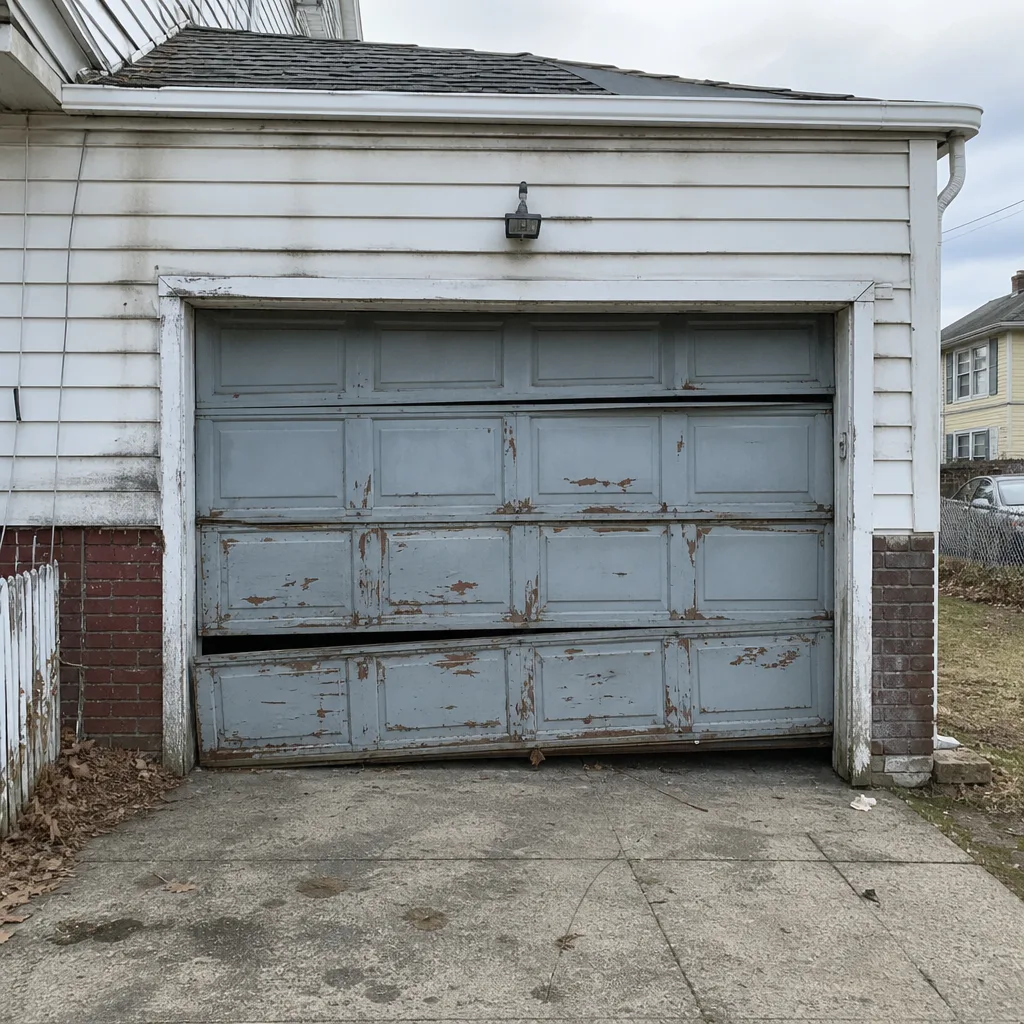
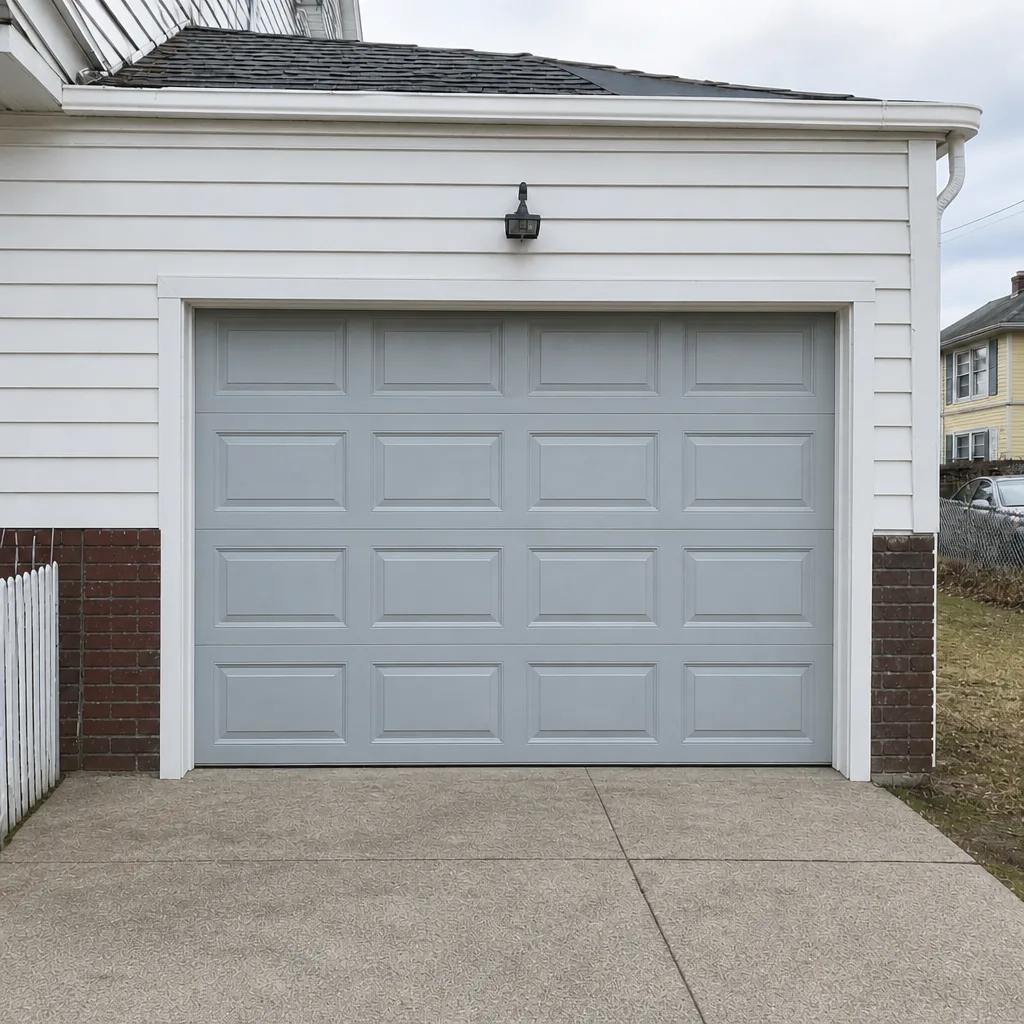
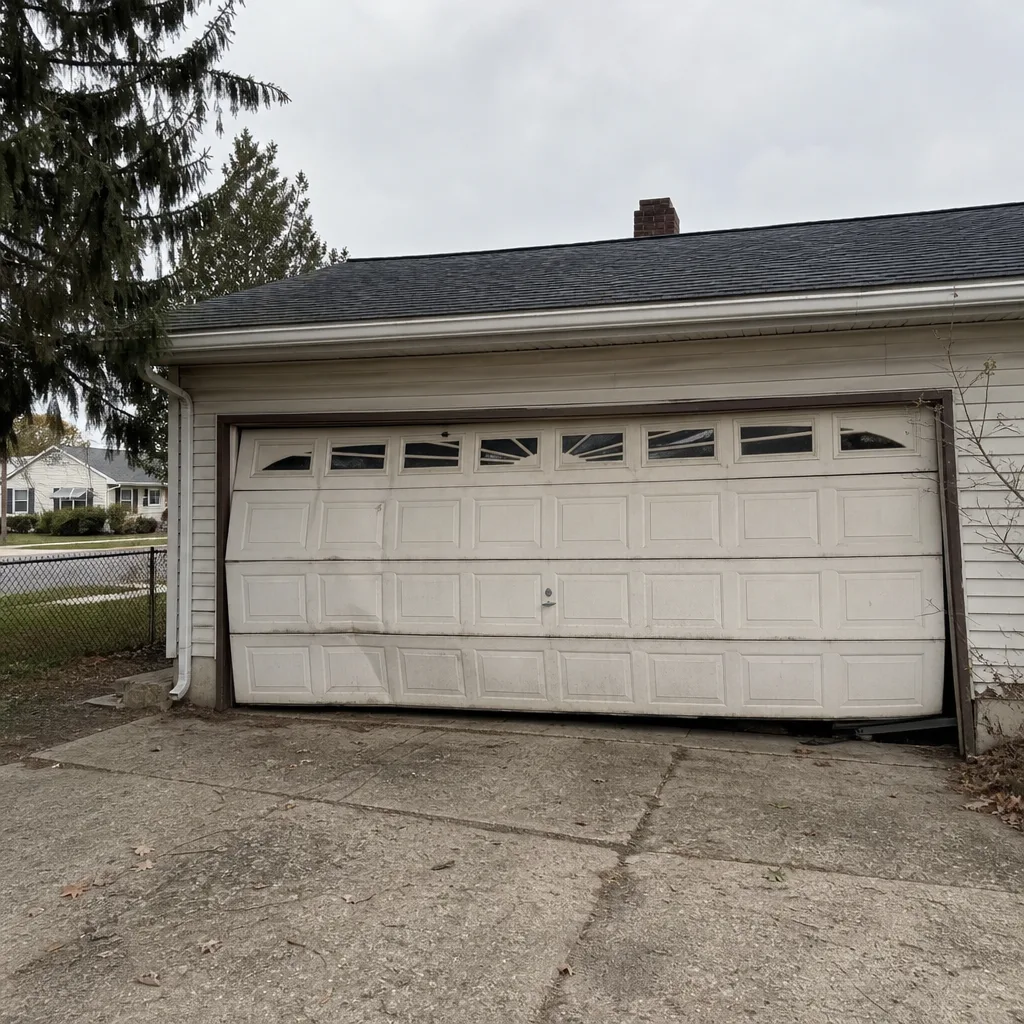
See the difference
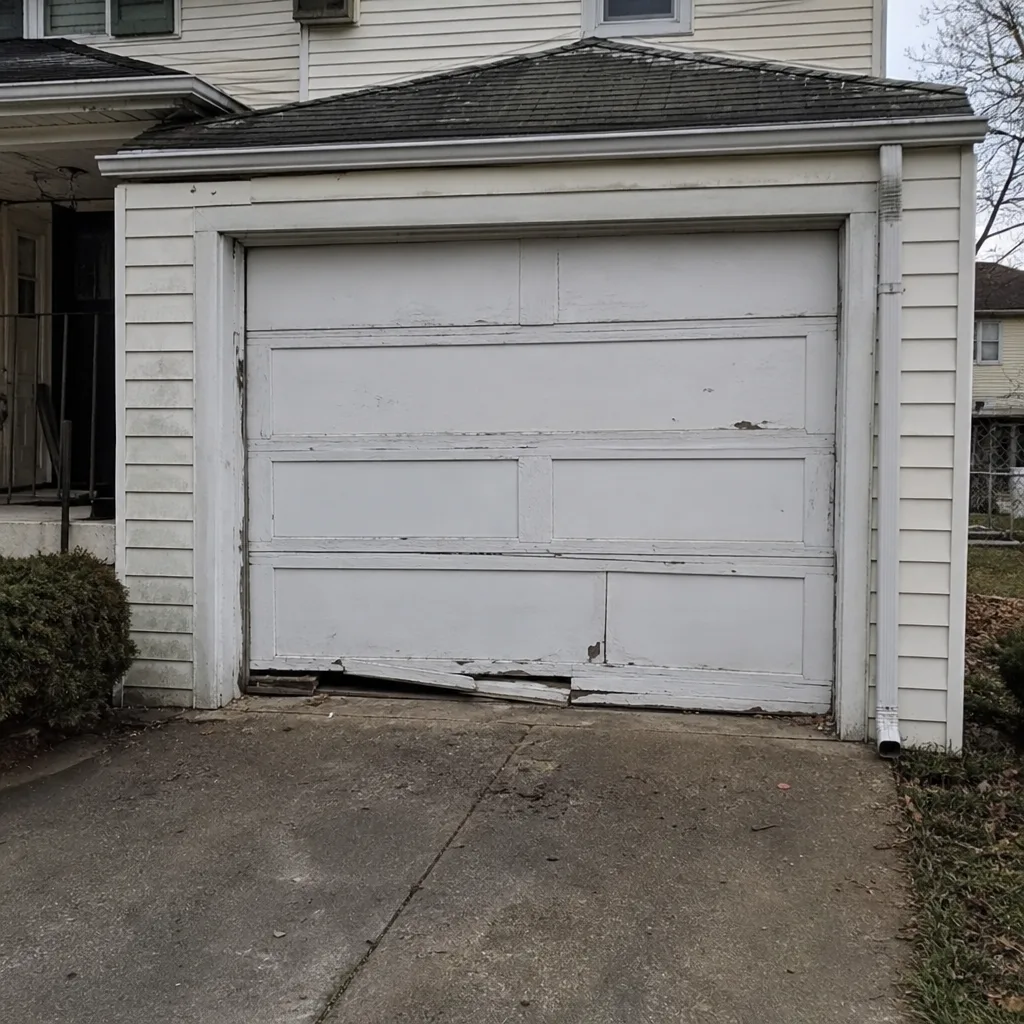 Before
 After
 Before
 After
 Before
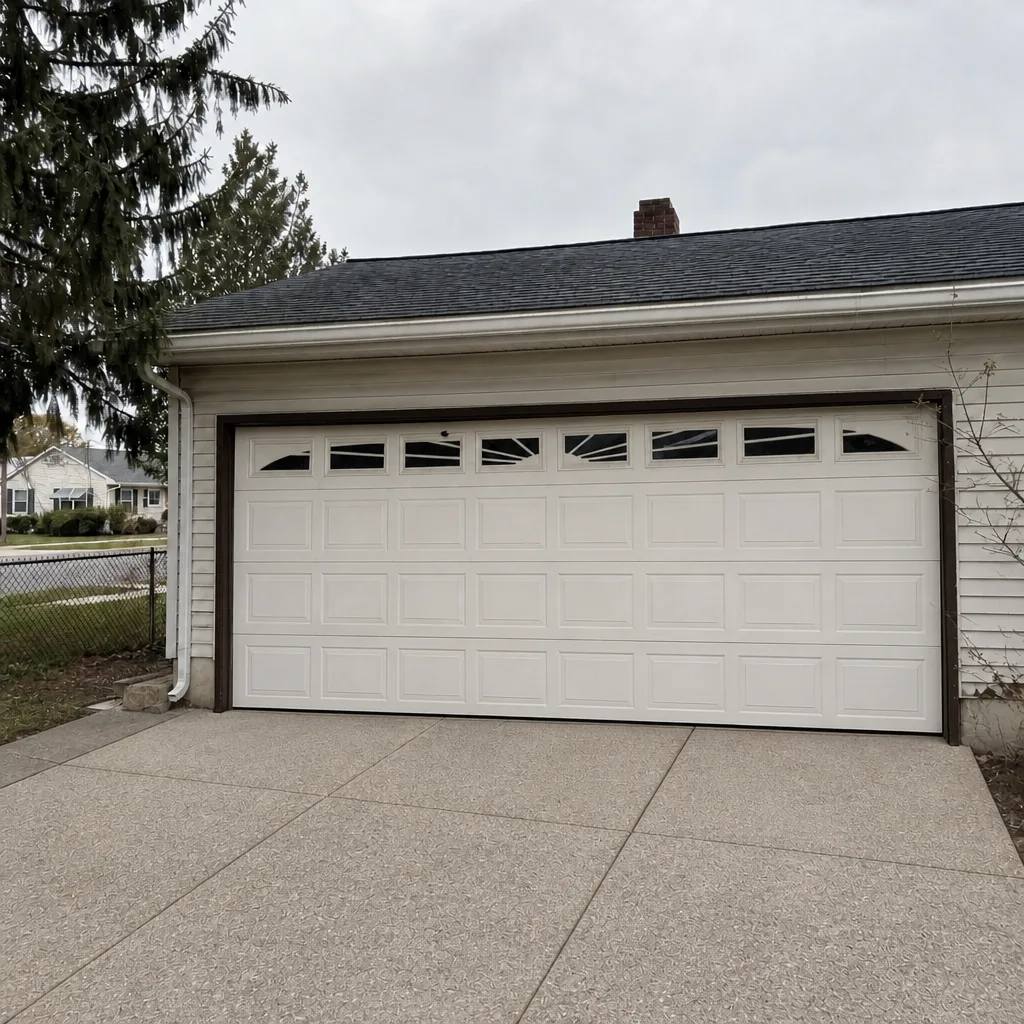 After
When to Call a Professional
Most Weequahic homeowners should call us when one of three things happens. First, a spring, cable, or track fails. Those are genuinely dangerous components under high tension, and they’re not a homeowner repair. Second, an opener stops responding or the safety reverse fails. That’s an entrapment risk, and it’s a code-relevant component on any automatic door. Third, you’re planning a replacement or a significant installation, and you want the permit, the wind-load specifications, and the documentation handled correctly the first time. We handle brand-specific work on equipment from LiftMaster, Chamberlain, Genie, Clopay, Amarr, Wayne Dalton, Craftsman, and Raynor, which means your existing hardware doesn’t become a reason to call someone else. Our emergency door service is a standing offering, not a special, and our garage door opener repair team can diagnose opener problems the same day in most cases. Garage Door Repair Weequahic offers free estimates in Weequahic – call (833) 508-9169. The written estimate is your price, agreed before any work starts, and we don’t add to it after the fact.
Frequently Asked Questions
In most cases, yes. A full garage door replacement in Weequahic, which is part of Newark, is generally treated as an alteration under New Jersey’s Uniform Construction Code and requires a permit and inspection. A repair to an existing door, such as a spring, cable, or opener fix, generally does not. Confirm with Newark’s construction office before the work starts if you’re unsure which category applies. Call (833) 508-9169 for a free estimate and we’ll walk you through the permit question for your specific job.
A repair restores the existing door to working order without changing the building. An alteration changes the structure or the load-bearing configuration, which includes installing a new door in the opening. The distinction is about the building, not the door. Swapping a torsion spring is a repair. Installing a new door with new track and anchorage is an alteration. If the work involves new openings, framing, or a heavier door, it’s an alteration and needs a permit.
The inspector checks that the installed door and hardware match the permit application, that anchorage to framing meets the specified wind-load requirements, that the photo-eye and safety reverse systems work on any automatic opener, and that the opening matches the approved drawing. The inspection is about code compliance, not whether the door operates smoothly. The final inspection approval is what closes the permit and what a future buyer’s inspector will look for.
Nothing happens immediately in most cases. The problem surfaces later, usually at resale or when you file an insurance claim, when the missing permit becomes a disclosure question and an open approval. At resale, the buyer may ask for a price reduction or an escrow hold to cover re-inspection and possible remediation. At claim time, documentation of correct installation becomes your responsibility. Retroactive permits are possible in some cases but not guaranteed, and they’re more expensive and slower than getting the permit up front.
Permit fees in Newark are set by the city’s fee schedule and depend on the scope of the work, so the exact number varies by job. Most residential garage door permits fall in a range of about $100 to $300 in new Jersey municipalities, and the written estimate you receive should include any permit-related fees separately so you can see what’s what. Call (833) 508-9169 for a free estimate on the installation itself, and confirm the current fee directly with Newark’s construction office.
Yes. For work that requires a permit, the contractor must be licensed in New Jersey for the trade, and the local pro is licensed and insured as their state requires. For repair work that doesn’t require a permit, licensing requirements still apply to the trade, and it’s reasonable to ask for credentials before the work starts. Our technicians have up to 8 years of experience, and we work on the brand you already have. Call (833) 508-9169 to discuss your specific job and get an exact quote. Estimates are free.
The Bottom Line
The permit question for a Weequahic garage door comes down to one line: repair stays, replacement permits. If the door you own is being fixed, you’re probably fine without paperwork. If the door is being replaced, assume you need a permit until the city tells you otherwise, and make sure the final inspection is approved before the work is closed out. The paperwork is quiet while everything is going well and loud when it isn’t. Keep the permit number, the inspection approval, and the manufacturer documentation in a folder. The next person who needs them may be you, three years from now, at a closing. If you’d rather not think about it, our Garage Door Repair Weequahic team handles the permit, the wind-load specs, and the documentation as part of the job. Free estimates, upfront pricing, and the written quote is the price. Call (833) 508-9169 to get started.
Written by the team at Garage Door Repair Weequahic.