Last updated November 23, 2026
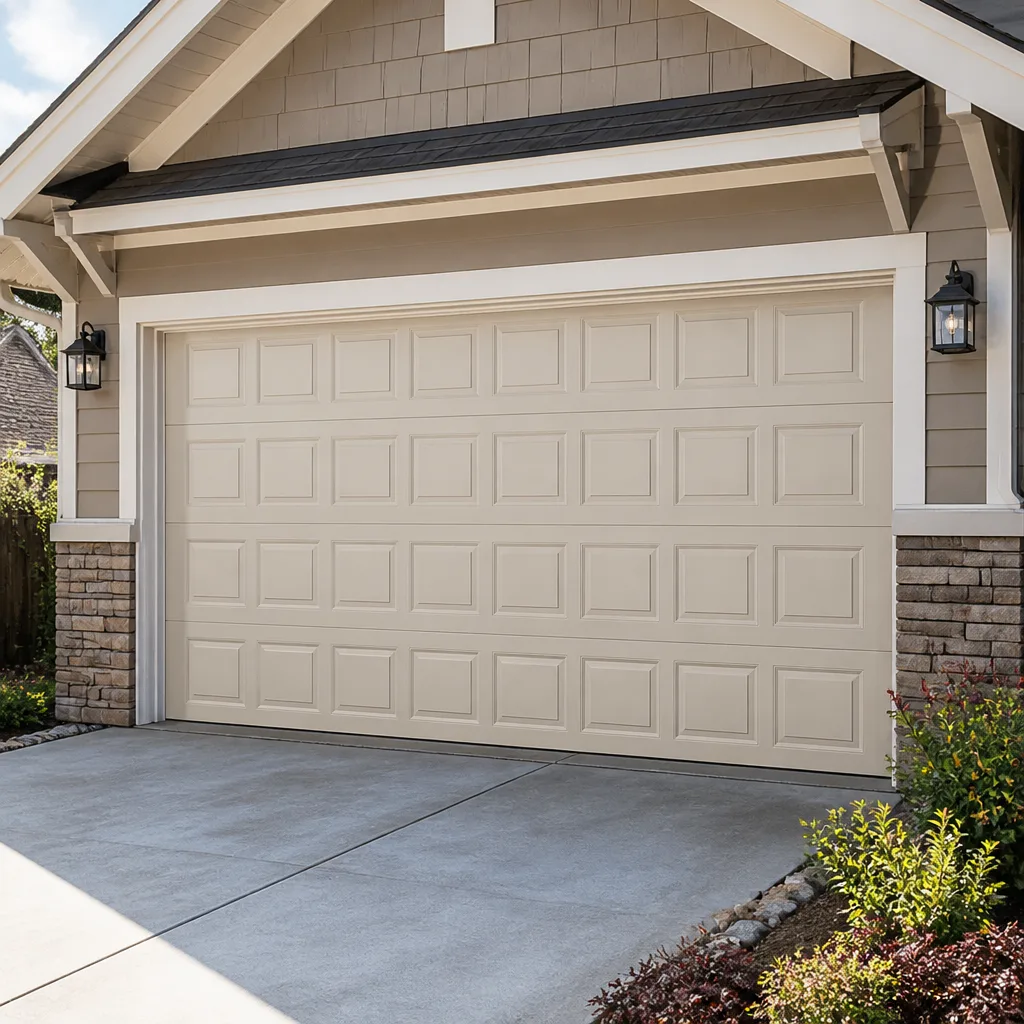 Raised-panel steel
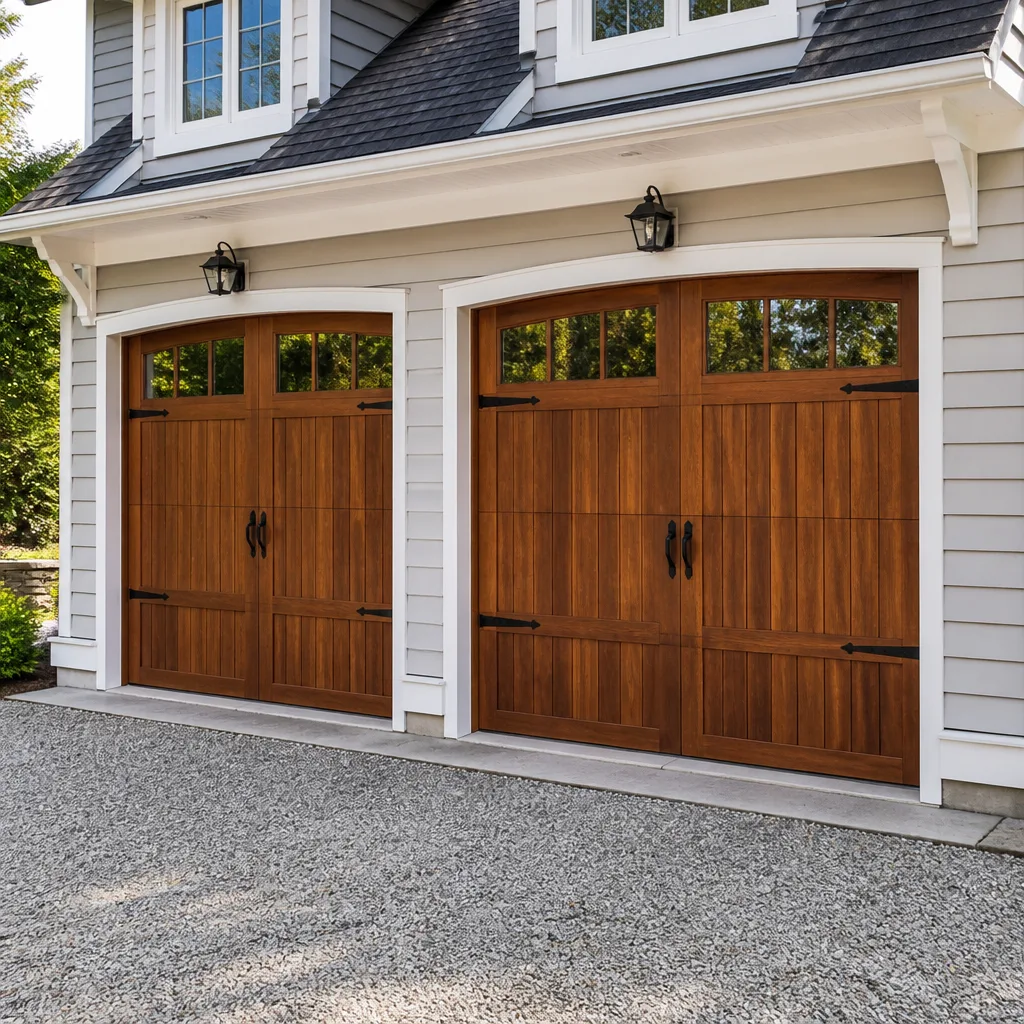 Carriage house
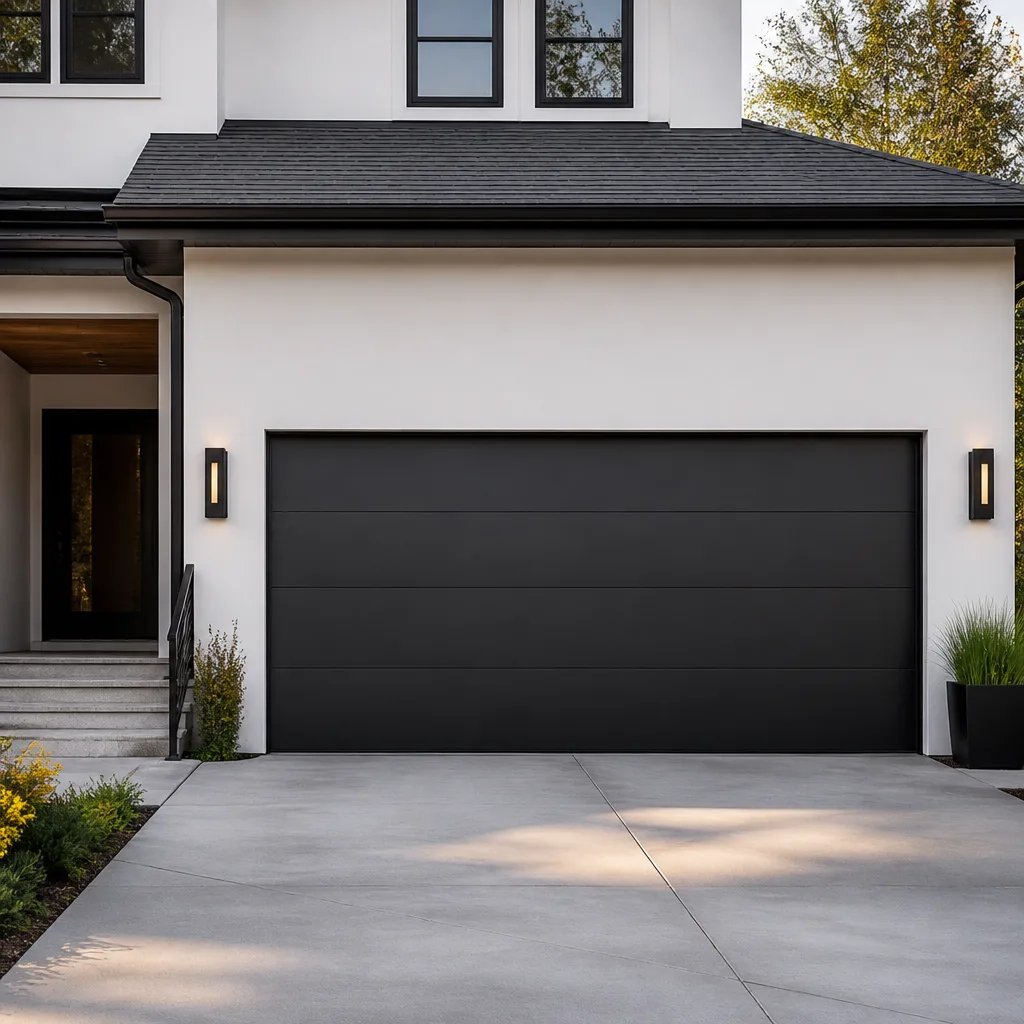 Modern flush
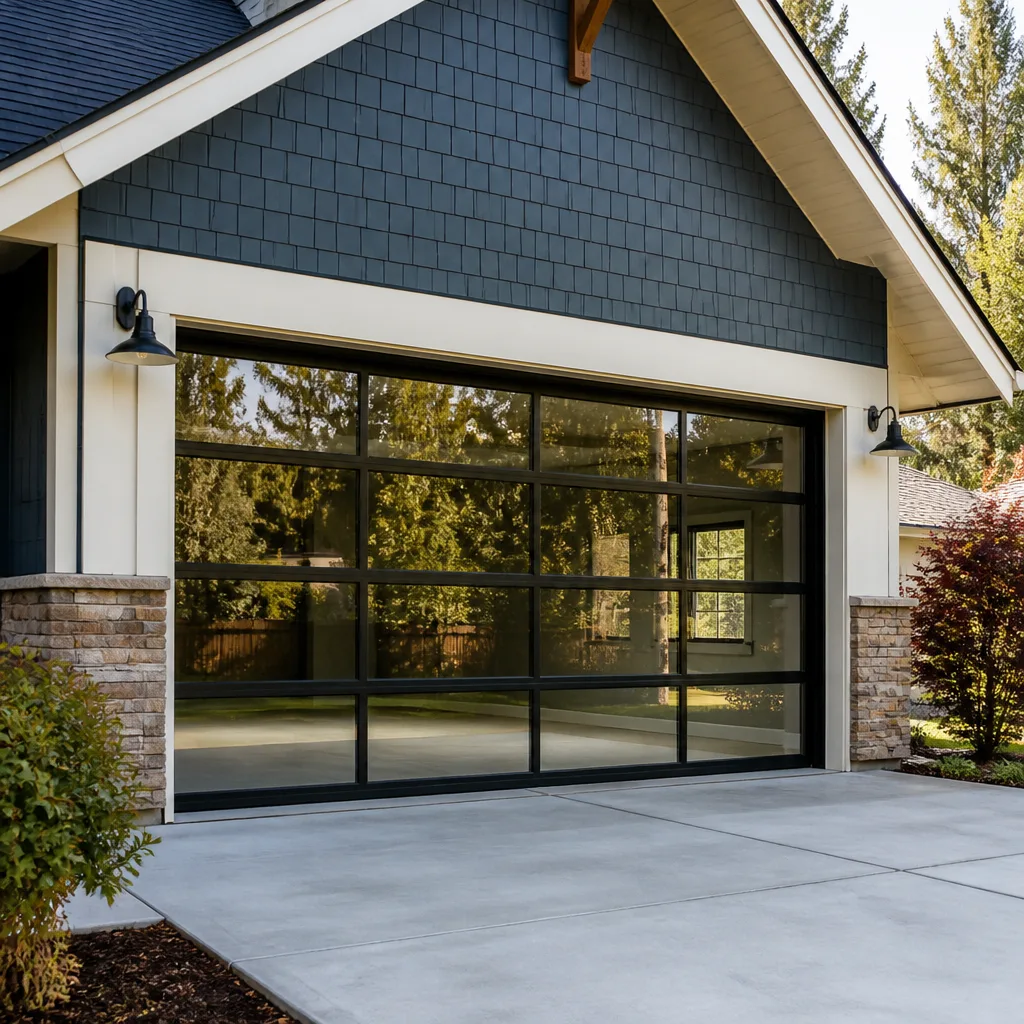 Full-view glass
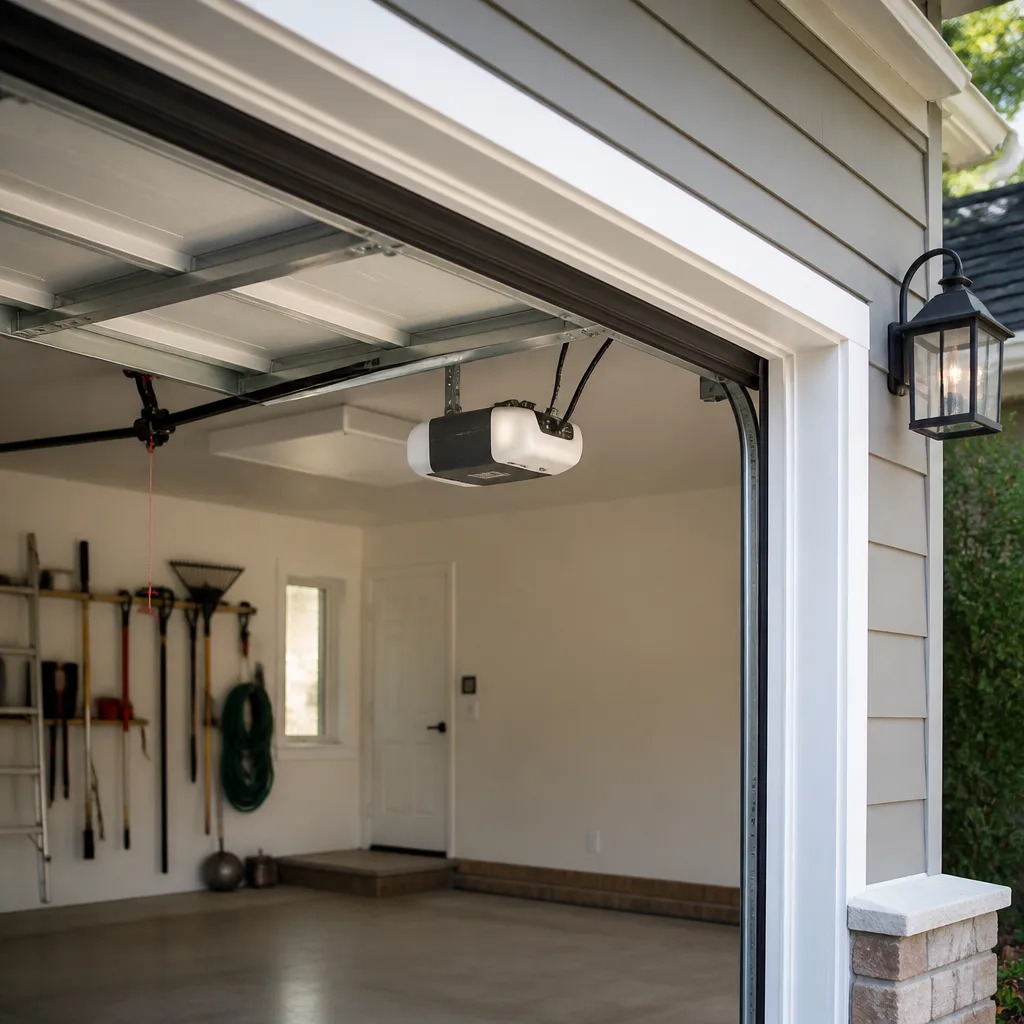 LiftMaster openers
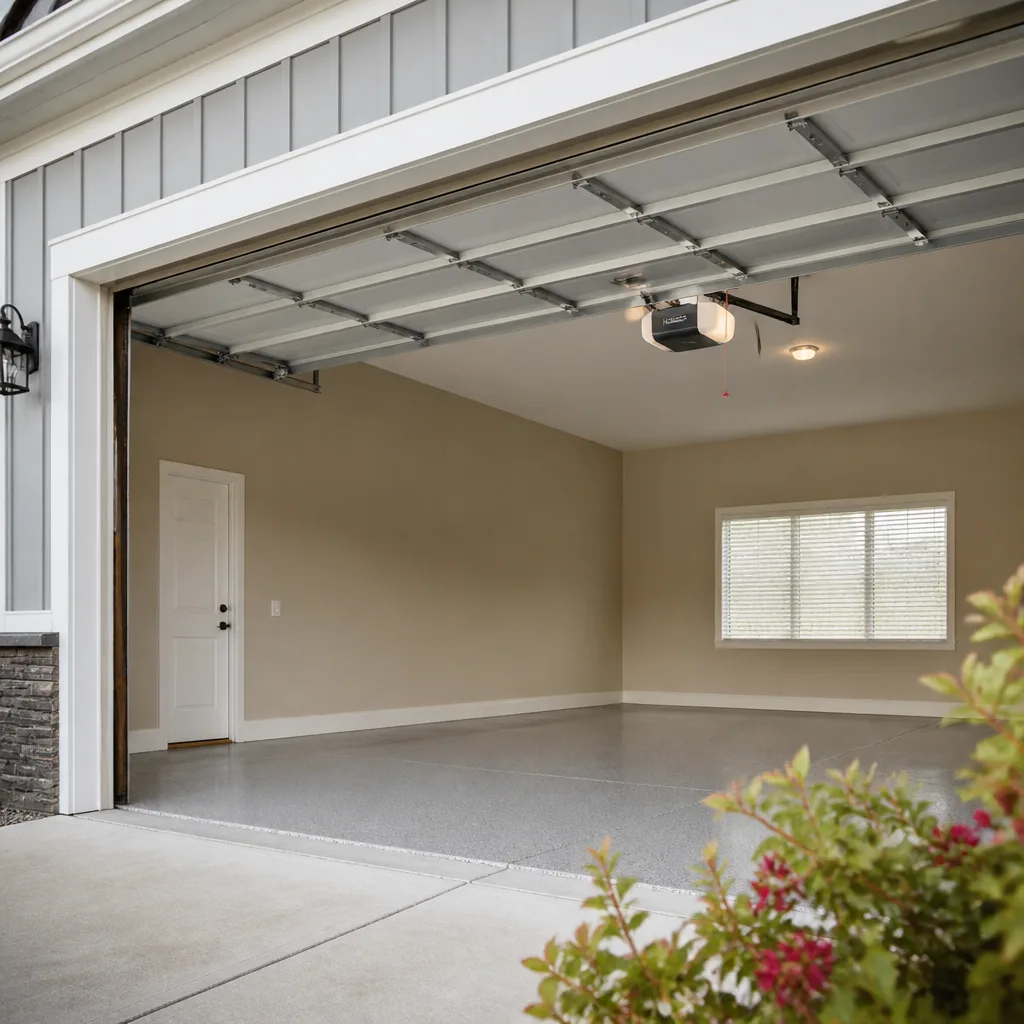 Chamberlain openers
Full 25-point door and opener safety check with every visit - springs, cables, rollers, tracks, and your LiftMaster or Chamberlain opener included
You get a price before we start. It does not change when the pro arrives.
Get your free estimateGarage Door Repair Maintenance Schedule: What to Do and When
Lubricating your garage door every month sounds responsible. It’s actually one of the most common ways homeowners gum up their rollers and void a parts warranty. Most maintenance guides get the calendar wrong in both directions: they tell you to fuss over the door constantly, then skip the one yearly check that prevents the most expensive repairs. A garage door doesn’t need more attention. It needs the right attention at the right intervals. This guide lays out what genuinely belongs on a monthly, quarterly, biannual, and annual checklist for a Weequahic garage door, why each cadence exists, which lubricants actually help and which cause damage, and how to tell when maintenance stops being enough and repair begins.
Quick Answer
The realistic schedule is light: a visual once-over and a balance test monthly, lubrication and hardware tightening quarterly, weather seal and safety-reverse checks twice a year, and one professional spring inspection annually. Skip the monthly oil-can habit, use the correct lubricant on the correct part, and log what you observe so a technician can spot wear patterns before a failure.
Styles & brands we work with
- Raised-panel steel
- Carriage house
- Modern flush
- Full-view glass
- LiftMaster openers
- Chamberlain openers
Table of Contents
- What belongs on a monthly garage door checklist
- Quarterly tasks: lubrication and hardware
- Twice-a-year checks most homeowners forget
- The annual spring inspection you shouldn’t skip
- Lubricant type matters more than frequency
- How to log maintenance so a technician can spot patterns
- Maintenance versus repair: how to tell them apart
- How Weequahic weather shapes the schedule
What belongs on a monthly garage door checklist (and what doesn’t)
Monthly maintenance should take about two minutes and involve no products. The point of the monthly pass is observation, not intervention. You’re looking for changes: new noises, a door that drifts, a hesitation in the opener. Those signals tell you something is wearing. Most of what you notice won’t require action yet. That’s fine. You’re building a baseline.
Here’s the monthly checklist we recommend for Weequahic homeowners:
- Listen. Open and close the door once and pay attention. Grinding, squealing, or a rhythmic clicking is a signal. A quiet hum from the opener is normal.
- Watch the travel. The door should move smoothly and evenly. A door that jerks, pauses mid-travel, or reverses without command needs attention.
- Balance test. Disconnect the opener (pull the release handle), lift the door halfway, and let go. A balanced door stays put. A door that drops or rises on its own has a spring or cable problem.
- Look at the safety eye. Wave something in front of the photo-eye near the floor. The door should reverse. If it doesn’t, stop using the opener until it’s fixed.
- Check the visual seal. A gap under the bottom seal, a bent panel, or a loose hinge is a note for later, not a monthly fix.
Notice what’s not on this list: lubrication. Monthly oiling is the habit most guides push and it’s the one we’d strike. Excessive lubricant attracts dust and grit into the rollers, and some products can degrade the bearing surfaces and void a parts warranty. Save lubrication for quarterly and use the right product.
Quarterly tasks: lubrication and hardware
Every three months is the right rhythm for a light touch on moving parts and a check for anything loosening up. Quarterly is also when you’ll catch the small stuff before it becomes a repair call. If you do nothing else, do a quarterly walk-through of the hardware.
- Lubricate the hinges and the torsion tube bearing plates. A small amount is enough. You want a thin film, not a coat.
- Lubricate the rollers at the pivot points, not the wheel. On the roller stem, not the nylon or steel wheel, is where a drop of lubricant belongs.
- Check the bolts and lag screws at the hinges and brackets. Tighten any that have worked loose. A rattling door is usually a loose bolt, not a failing one.
- Inspect the tracks for dents, debris, and misalignment. Loose leaves, a fallen tool, and misaligned track sections all cause drag.
- Look at the opener’s chain or belt. A sagging chain or stretched belt increases strain on the motor and needs adjusting.
Do not lubricate the track itself. A lubricated vertical or horizontal track picks up grit and can cause the rollers to skip, especially in a door that runs a Weequahic driveway several times a day. Wipe the track with a dry cloth and leave it dry.
Quarterly is also the right interval to check the opener light and the manual release. Make sure the disconnect works and the door can be moved by hand. If the door feels unusually heavy at this point, that’s information for the annual inspection. Both Clopay and Amarr doors we work on come with manufacturer literature that lists lubricant guidance for their models; use it when the door is still under warranty.
Twice-a-year checks most homeowners forget
Twice a year, on a schedule that flips with the seasons, is the right time to handle the two things that affect how the door interacts with a house: the weather seal and the safety reverse. In a New Jersey climate with summer humidity and winter freeze, both need attention twice, not once.
- Weather seal inspection. Look at the rubber gasket along the bottom of the door. It should sit flat against the floor. Cracked or compressed seals let water and cold air in, and a damaged seal adds drag on every cycle. If water gets under the door, the problem is usually the seal or the threshold, not the door.
- Safety reverse test. Place a small object under the closing door and confirm it reverses. Then test the photo-eye. Both tests are worth doing twice a year, and worth repeating after any adjustment.
- Photo-eye alignment check. Some sunny months push the eye out of alignment. Realign if needed.
- Frame and threshold check. A warped frame or worn threshold throws the door out of level and strains the opener.
Twice a year is also the moment to look at the door’s outward condition: paint or finish peeling, panel damage, or rust spots. On steel doors, especially Clopay and Amarr panels, a small surface issue caught in spring is a ten-minute touch-up; left through a winter it starts to spread.
The annual spring inspection you shouldn’t skip
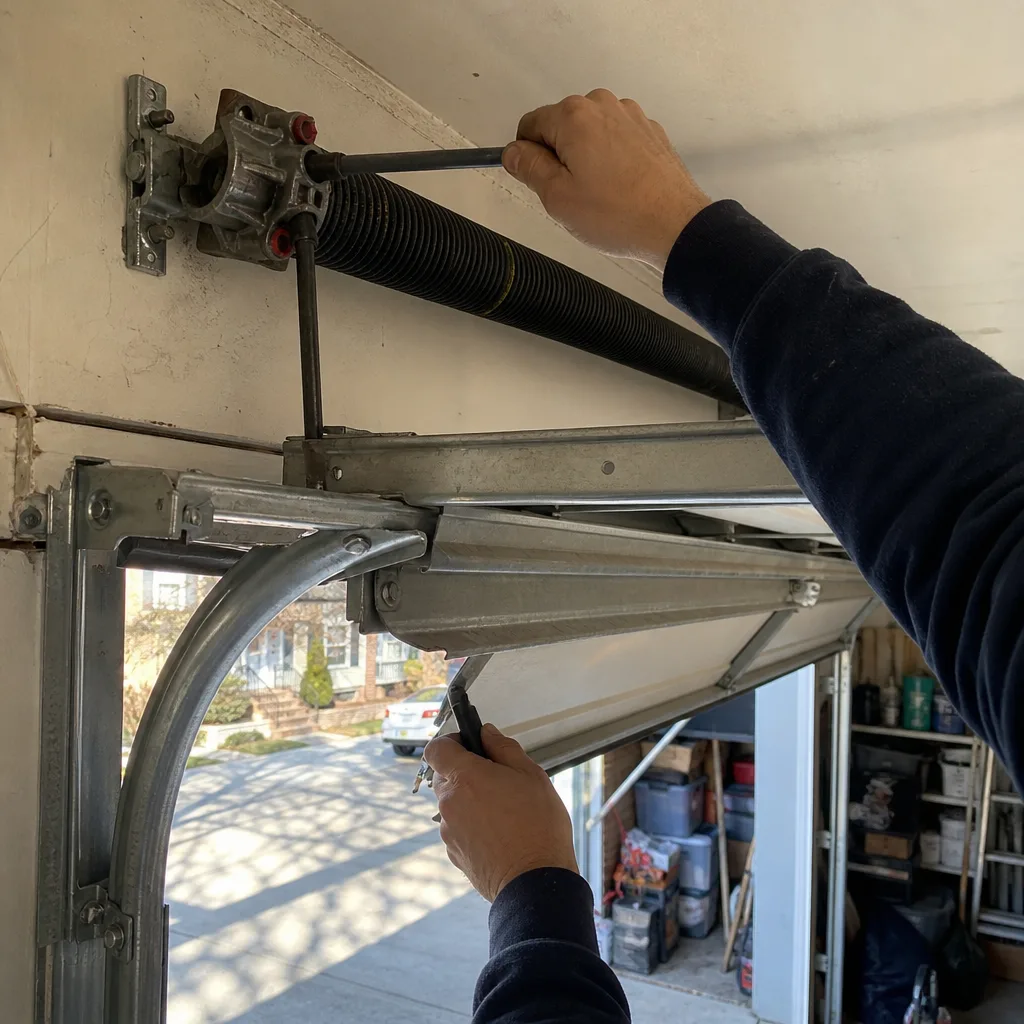
If you hire out one task, make it this. Spring tension inspection is the highest-leverage maintenance action on a garage door. Springs do the work of lifting the door. When a spring loses tension or starts to fail, the opener has to lift a weight it was never designed to carry and fails eventually. A spring that snaps stops the door where it is, and that’s the best outcome. The dangerous part is the moment of failure.
Springs are stored energy. They’re under tension every second the door is up, and both torsion springs and extension springs are dangerous to touch. Annual inspection doesn’t mean adjusting the spring yourself. It means having a trained technician measure the tension, look at the coil for wear, and confirm the door is balanced and the cables are tight. We treat spring inspection as a professional task and we’d encourage you to as well. That’s why spring repair is a dedicated service here rather than an add-on; the hardware is unforgiving.
The annual visit is also the right time to schedule a real look at the tracks, cables, opener drum, and any wear you can’t see from the floor. Most of the spring failures we get called to involve doors that were balanced and quiet six months before. A once-a-year check catches the drift.
If the door has crossed from needing maintenance to needing a real repair, we can handle it. Call (833) 508-9169 to book a diagnosis.
Lubricant type matters more than frequency
Put the wrong product on the wrong part and you’ll cause more damage than skipping the task. That’s the part most maintenance guides leave out. You don’t need to know six products. You need to know which two or three are right and why the others hurt.
Use these:
- Silicone-based lubricant on hinges, roller stems, and bearing plates. It doesn’t attract grit the way heavier products do.
- White lithium grease in small amounts on the torsion tube bearing plates and the opener’s drive screw, in moderate doses.
- Dry silicone spray on the weather seal to keep rubber supple.
Avoid these:
- WD-40 as a long-term lubricant on the rollers, hinges, or springs. It works as a solvent, not a durable lube. It leaves parts dry and can degrade some bearings.
- Motor oil or vegetable oil anywhere on the door. Heavy oil traps grit and stains the door.
- Petroleum grease on nylon rollers. It softens the nylon and gums up the stem.
- Anything on the springs themselves. Torsion and extension springs are not a lubrication point. They may be coated with a factory finish, and adding product can attract dust into the coil.
- Anything on the track. Lubricated tracks skip.
Across Genie, LiftMaster, Chamberlain, and Craftsman openers we see the same pattern: a door that squeaks after a well-meaning homeowner soaks the rollers monthly. The fix is a clean and the right product, not more lubricant. A parts warranty from Clopay or Wayne Dalton usually hinges on following the manufacturer’s guidance, and frequent lubricant is one of the quickest ways to void one.
How to log maintenance so a technician can spot patterns
A plain notebook does more for your door than most tools do. The value isn’t the record of what you did; it’s the record of changes over time. A technician can read a year of notes in two minutes and spot the failure coming. That’s why every garage door maintenance schedule should end with a log, not a task list.
Log these fields for every entry:
- Date. Skip nothing. Gaps in a log tell a story on their own.
- Noise or feel. “Squeaks on open” or “feels heavier.” Specific language beats “fine.”
- Door balance result from the monthly test. Stayed, dropped, or rose.
- Safety reverse result. Passed or failed.
- Any work you did. Lubricant type and part, tightened bolts, weather seal.
- Any change you noticed between entries. A door that passed the balance test in March and drifts in September is a door with a developing spring problem.
Bring the log to the annual inspection. A technician who can see that a door started dragging after a particularly cold snap, or that a homeowner’s son drove the car into a slightly bent panel, is a technician who can diagnose accurately instead of guessing. It’s the difference between fixing the problem and replacing the part that happened to fail.
Maintenance versus repair: how to tell them apart
Maintenance keeps a door in the zone where repairs stay small. Repair is the intervention that restores a door to that zone. The line between them is usually obvious once you know what to look for. The trick is not to wait until the door stops working, because most of what we fix started as maintenance territory months earlier.
Stay in maintenance territory when:
- The door runs smoothly and quietly, with only minor seasonal noise.
- The balance test passes and stays passed for at least a year.
- Grease, a bolt tighten, or a weather-seal swap is all the door needs.
- The opener’s symptom is a light change or a remote that needs a battery.
Cross into repair territory when any of these show up:
- The door hesitates, jerks, or reverses on its own.
- The door is significantly heavier than it was last quarter.
- You hear a loud bang from the garage or see a snapped spring. Do not use the door. A garage door with a broken spring can slam closed or fall on a person in the doorway. Call for repair.
- The door has come off one track or is visibly out of level.
- The opener strains or grinds when the door starts moving.
- You can see frayed cables or a stretched drum.
The jump from spring inspection to spring repair is where most of our Weequahic calls start. Spring repair is specialized work because the springs are under enough tension to cause serious injury. That’s why we keep it as a separate service rather than a routine maintenance line item. If the diagnosis points to repair, garage door repair covers the door itself; if the failure involves the opener motor or drive, the Garage Door Repair Weequahic home page explains the full service range, and the team handles garage door opener repair on Genie, LiftMaster, Chamberlain, and Craftsman systems.
How Weequahic weather shapes the schedule
A New Jersey schedule isn’t a national schedule. The humidity of a Weequahic summer and the freeze-thaw cycle of a New Jersey winter push harder on certain parts of a door than the manufacturer’s generic maintenance chart assumes. We adjust for that.
Adjustments we recommend for a Weequahic door:
- Check the weather seal more often in the spring. Meltwater and a thawed ground pool at the threshold; compressed seals are the first thing that gives. Don’t wait for the biannual pass.
- Lube the roller stems more frequently in summer. Humidity plus a hot door cycles through more dry heat, and dry heat dries silicone. A little more frequent is fine.
- Look at the opener’s roller and drum carefully after a cold snap. Cold loads the springs and cables harder, and a door that’s slow to lift after a cold night is telling you something about balance.
- Walk the threshold in fall. Leaves and debris in the track are a bigger nuisance in Weequahic than in drier climates because the trees and the wind combine. Clean the track monthly in fall.
The house itself matters too. Weequahic has more garages attached to living space than detached, which means the door sits between your car and your kitchen. A door that fails is more than a nuisance; it’s a security gap. The maintenance schedule on this page is built around that reality.
Common Mistakes to Avoid
- Lubricating on a schedule instead of by part. Monthly oil on the rollers is the most common mistake we see. It attracts grit, degrades nylon, and can void a parts warranty. Lubricate quarterly and only the right parts.
- Skipping the balance test. If you only do one monthly task, do this one. It’s the earliest and most reliable sign that a spring is losing tension.
- Assuming a quiet door is a healthy door. A quiet door can be a door that’s just been lubricated and is running on failing springs. Quiet is necessary, not sufficient.
- Using WD-40 as a real lubricant. It cleans but doesn’t last, and the parts dry out faster afterward. Match the product to the part.
- Ignoring the safety reverse test. It’s the one check that protects people and pets. Failing it means the door should not be operated automatically.
- Treating the annual spring inspection as optional. It’s the highest-leverage maintenance action on the door. Skipping it costs more than the inspection would.
- Not logging anything. Without a log, a technician has to guess at the wear pattern. With a log, the diagnosis takes minutes.
See the difference
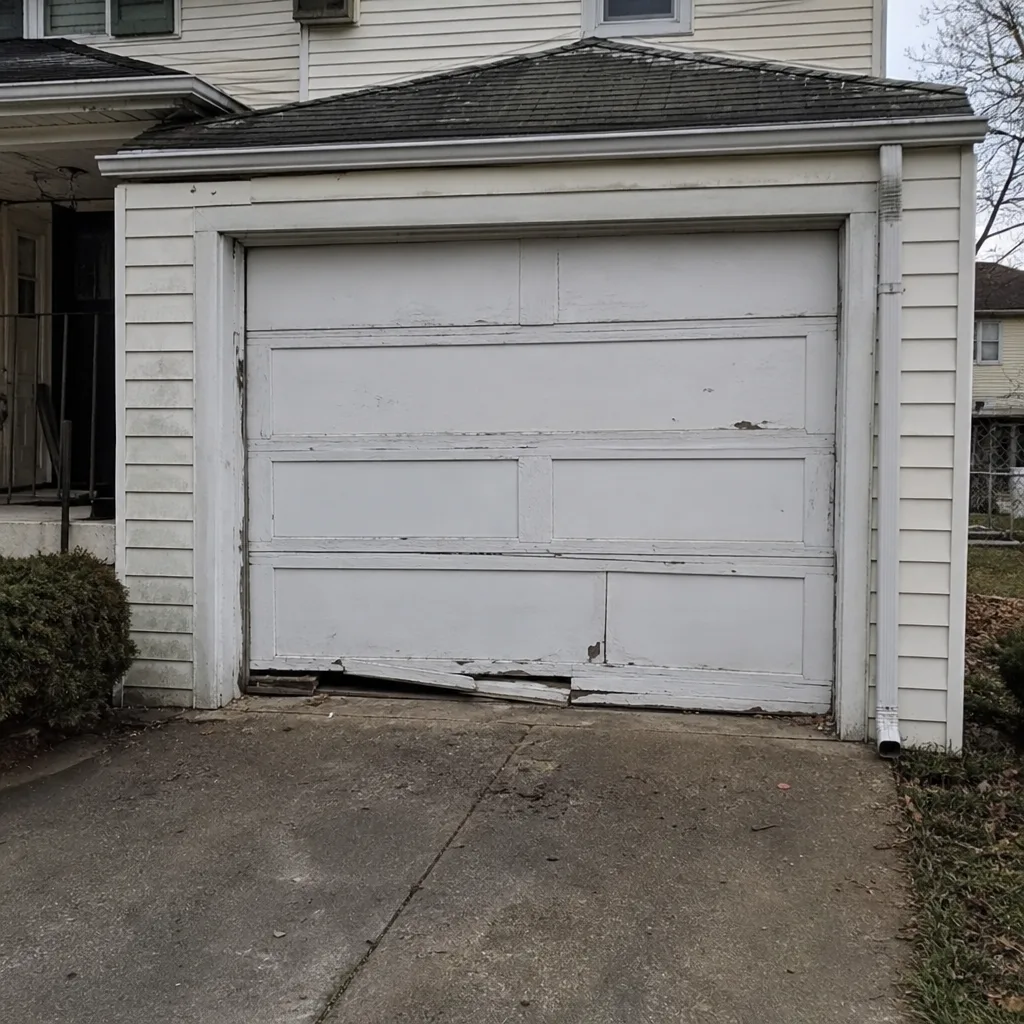 Before
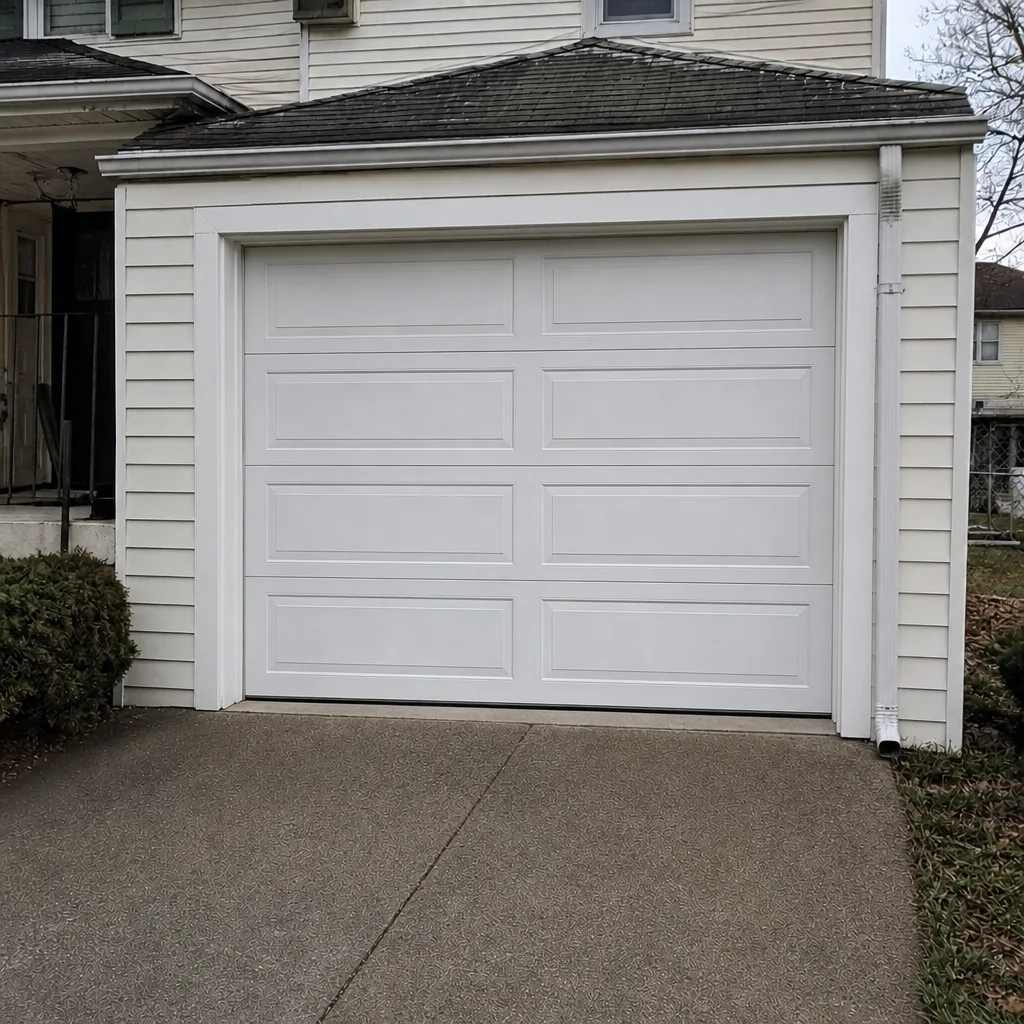 After
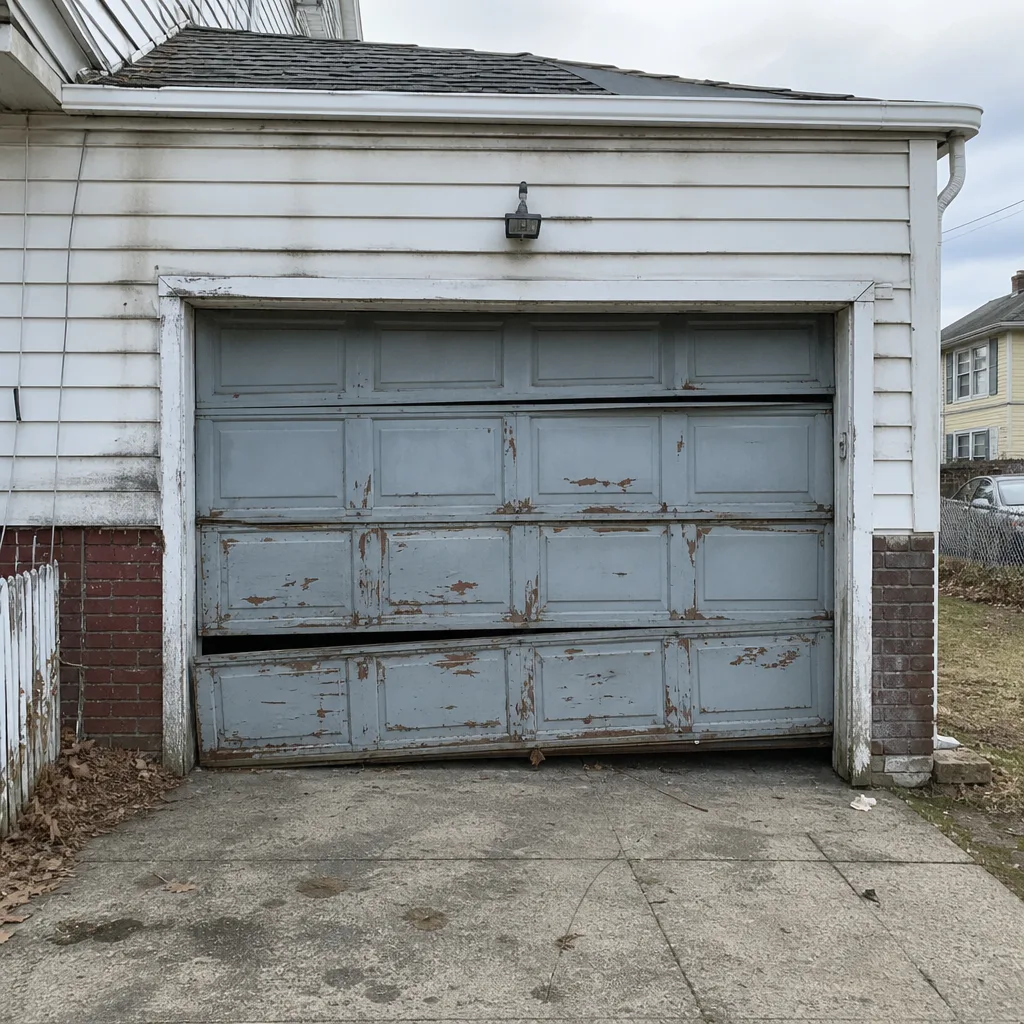 Before
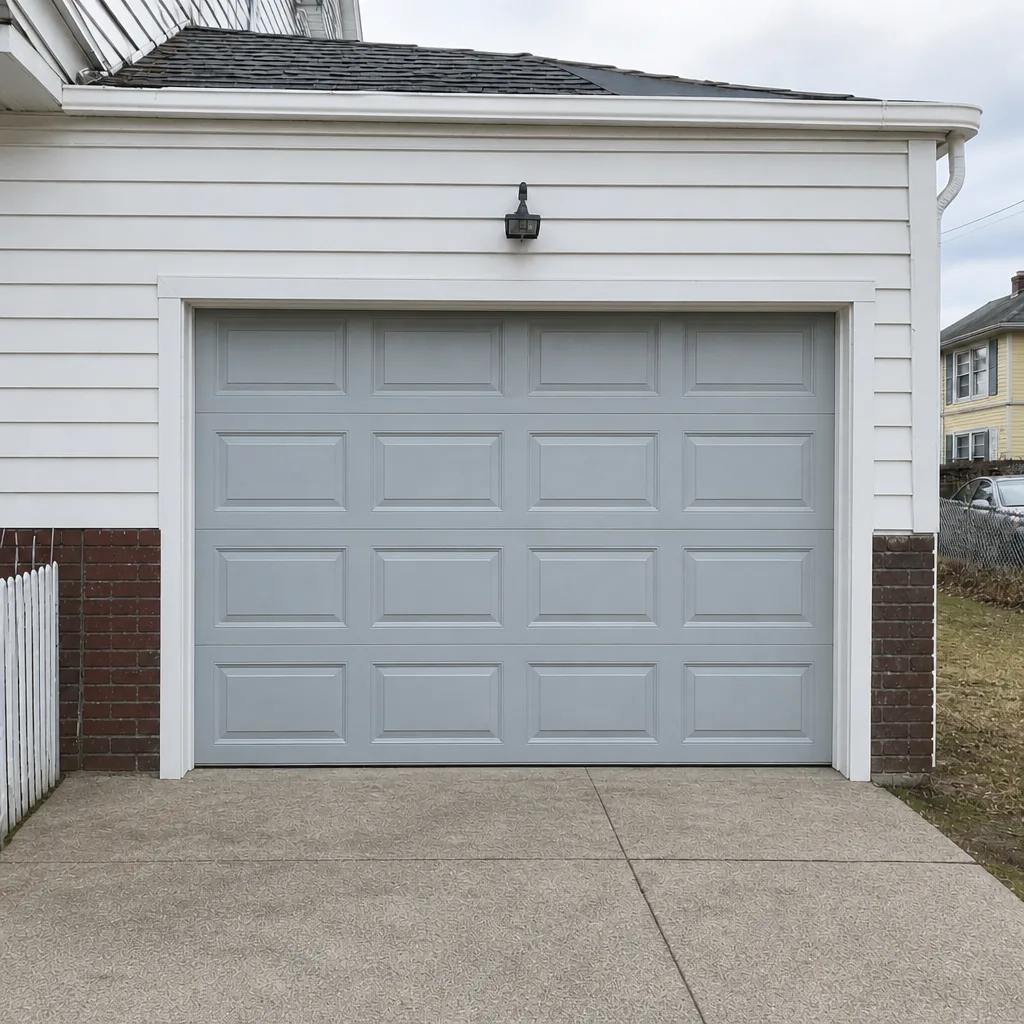 After
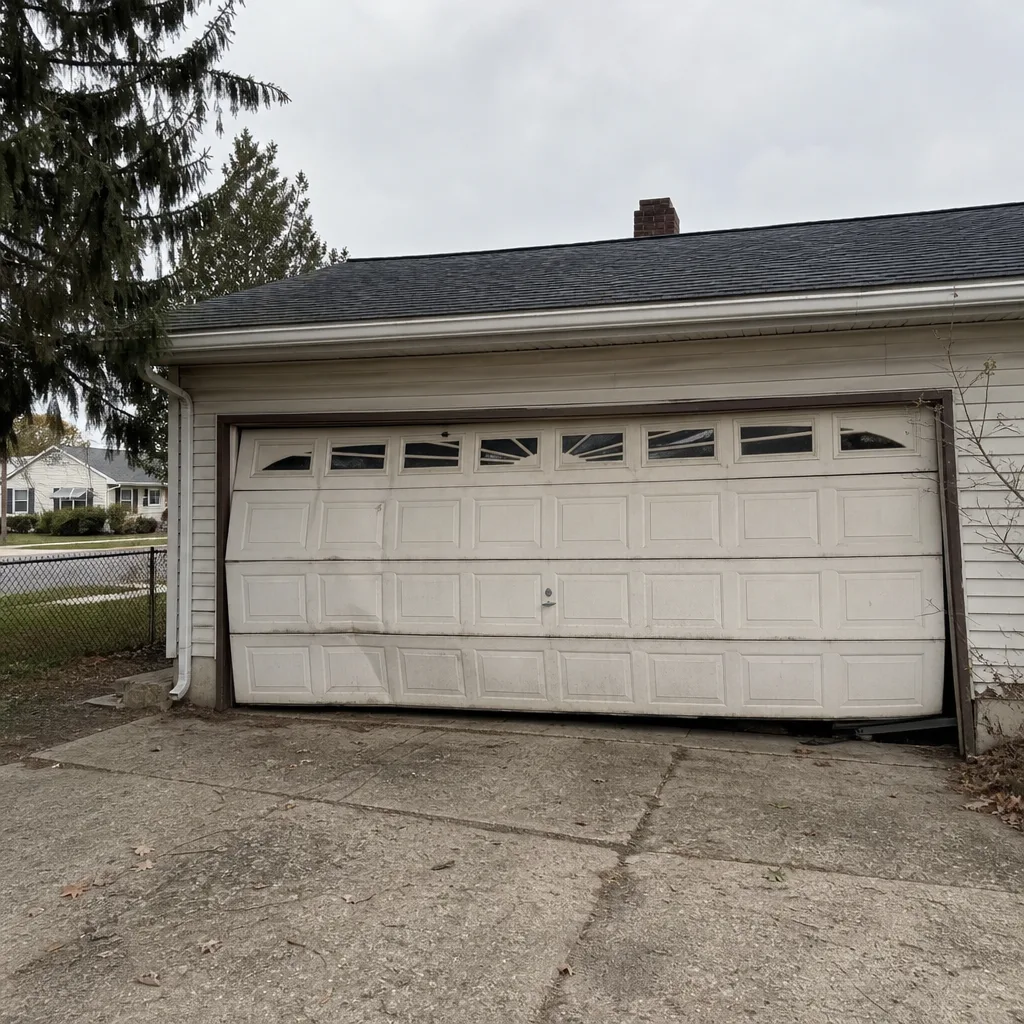 Before
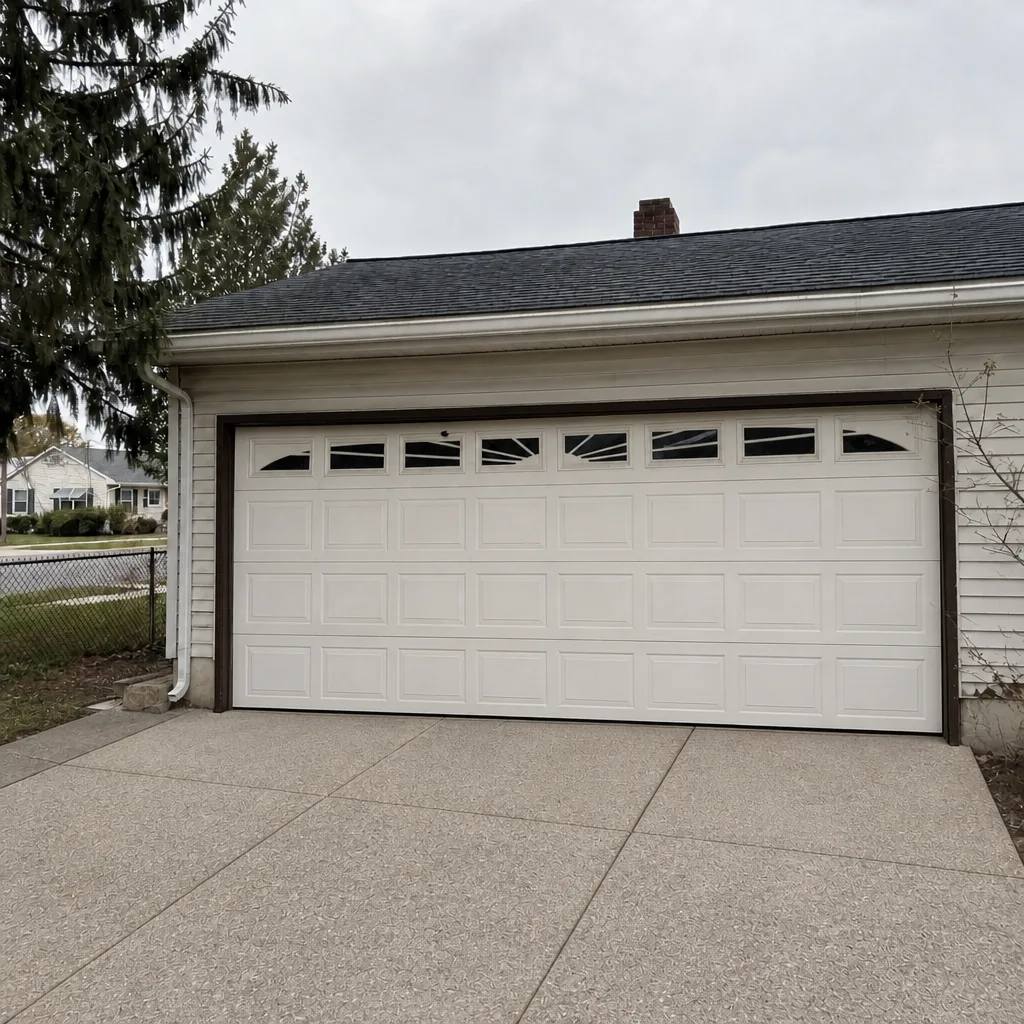 After
When to Call a Professional
Any sign of a failing spring, a door that’s come off its track, a snapped cable, an opener that strains or grinds, or a safety reverse that fails more than once is a call to a professional. So is any loud noise from the garage followed by a door that won’t lift. Springs and cables are not DIY work; the stored energy makes them dangerous even when the door looks at rest. Schedule the annual spring inspection with a technician, who can catch the drift before it turns into a repair. If the door has moved past maintenance into real repair, we can handle that too, including garage door installation on Clopay, Amarr, Wayne Dalton, and Raynor doors when replacement is the right answer. Garage Door Repair Weequahic offers free estimates in Weequahic – call (833) 508-9169.
Frequently Asked Questions
Every three months is the right interval for the parts that actually need lubricant: hinge pivots, roller stems, and torsion tube bearing plates. Monthly lubrication is too frequent and is one of the most common causes of gummed-up rollers and voided parts warranties. Use silicone-based lubricant on the hinge and roller points and a small amount of white lithium grease on the torsion tube bearing plates, and skip the springs and the track entirely.
The annual spring tension inspection is the single highest-leverage maintenance action on a garage door. Springs do most of the lifting, and a spring that’s lost tension forces the opener to lift a weight it wasn’t designed for, which eventually causes an opener failure or a snap. The inspection is a professional task because the springs are under dangerous stored energy; don’t attempt the tension check yourself. Call (833) 508-9169 to book a spring inspection and free estimate.
Some of it, yes. The monthly visual, balance, and safety-reverse checks are absolutely DIY. Quarterly lubrication and hardware tightening are also safe to do yourself with the right products. The annual spring inspection and anything involving the springs, cables, or track alignment is not DIY. Stored spring energy is dangerous and can release without warning. If you’re not sure whether the door is in maintenance territory or repair territory, call (833) 508-9169 for a diagnosis.
Maintenance keeps a door running smoothly; repair restores it after a failure. The line is crossed when the door jerks, hesitates, reverses on its own, feels suddenly heavier, comes off a track, or makes a loud bang. Any of those is a repair call, not a maintenance call. If the door is still smooth, quiet, balanced, and passes the safety reverse check, it’s in maintenance territory. Springs and cables are the parts to watch. Call (833) 508-9169 if you’re not sure.
It changes the emphasis. New Jersey humidity and the winter freeze-thaw cycle put more stress on the weather seal and the springs than a milder climate does, so check the seal in early spring and look carefully at the door’s balance after the first cold snap. Humidity dries silicone faster in summer, so a slightly more frequent roller lubrication in July and August is reasonable. The broad cadence, monthly, quarterly, twice-yearly, and annually, still holds.
Yes. The annual visit combines a spring tension inspection, a balance and safety-reverse check, a track and cable inspection, and a look at the opener drive and rollers. Bring your maintenance log and the door’s manufacturer documentation if you have it. We work on LiftMaster, Chamberlain, Genie, Clopay, Amarr, Wayne Dalton, Craftsman, and Raynor products, and Weequahic homeowners can call (833) 508-9169 to book one. Estimates are free, and the price is quoted before any work starts.
The Bottom Line
A garage door maintenance schedule is not a calendar of products; it’s a calendar of checks. Monthly balance and safety tests catch the drift. Quarterly lubrication on the right parts keeps the door quiet. Twice-a-year weather-seal and safety checks catch the seasonal problems. And one annual professional spring inspection is the single most valuable thing you can do for a Weequahic door. Log what you see, use the right lubricant on the right part, and know the line between maintenance and repair. When you cross it, call Garage Door Repair Weequahic at (833) 508-9169 for a free estimate. Our technicians have up to 8 years of experience across the full arc of the trade: repair, opener repair, spring repair, and installation.
Written by the team at Garage Door Repair Weequahic.