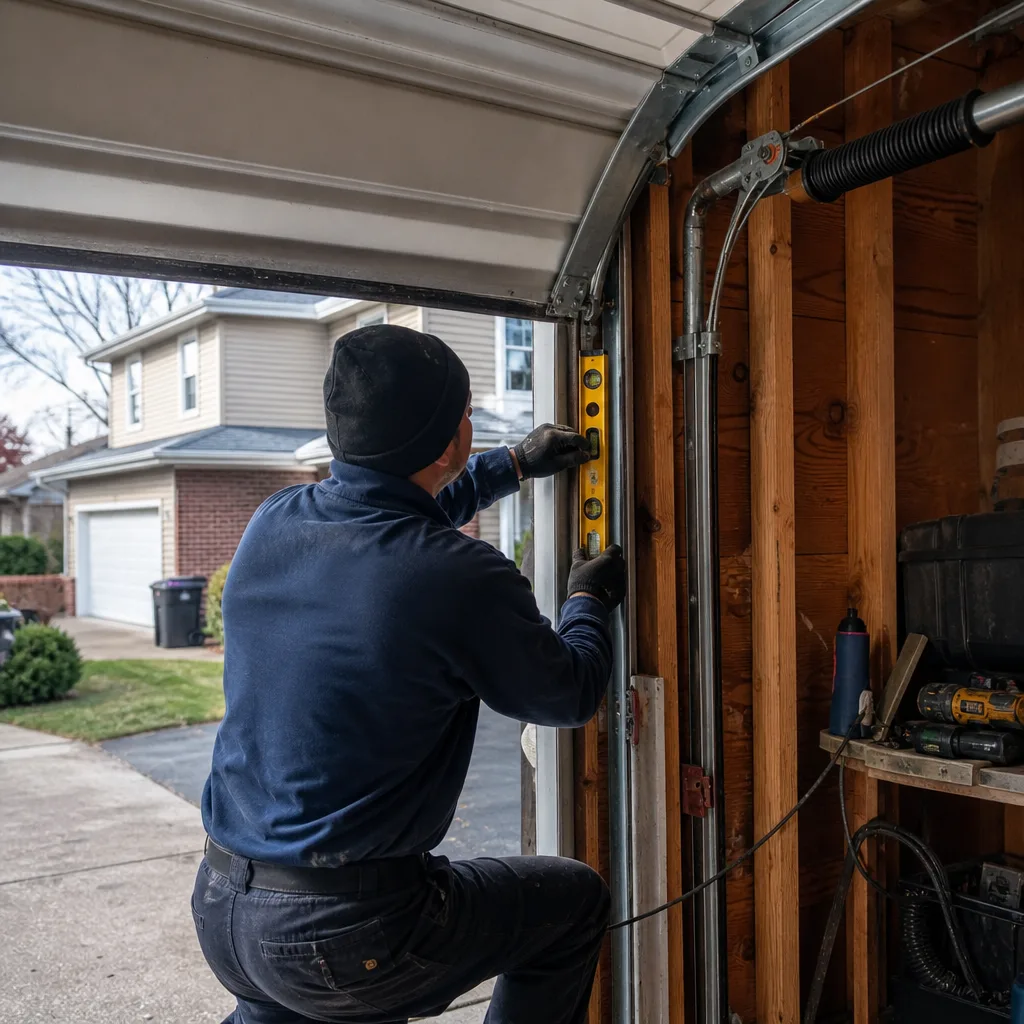
Last updated November 23, 2026
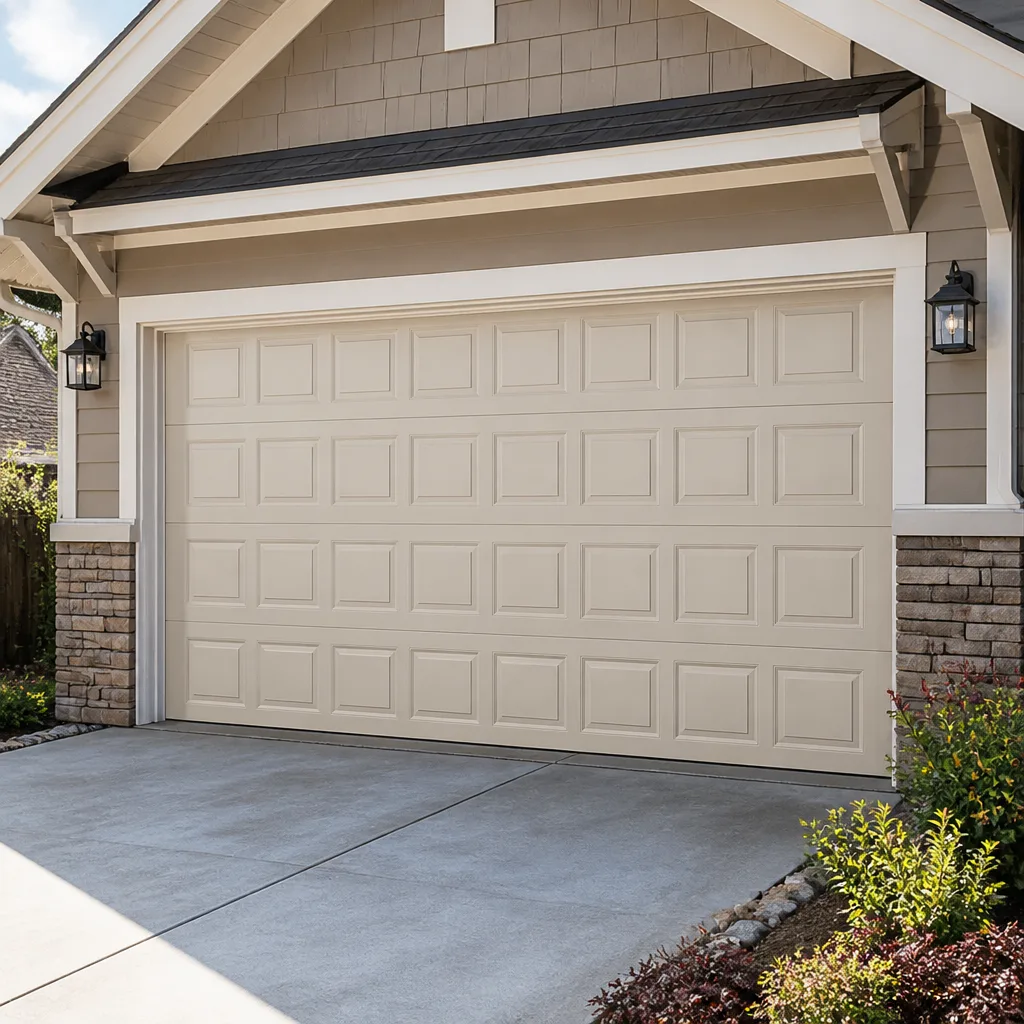 Raised-panel steel
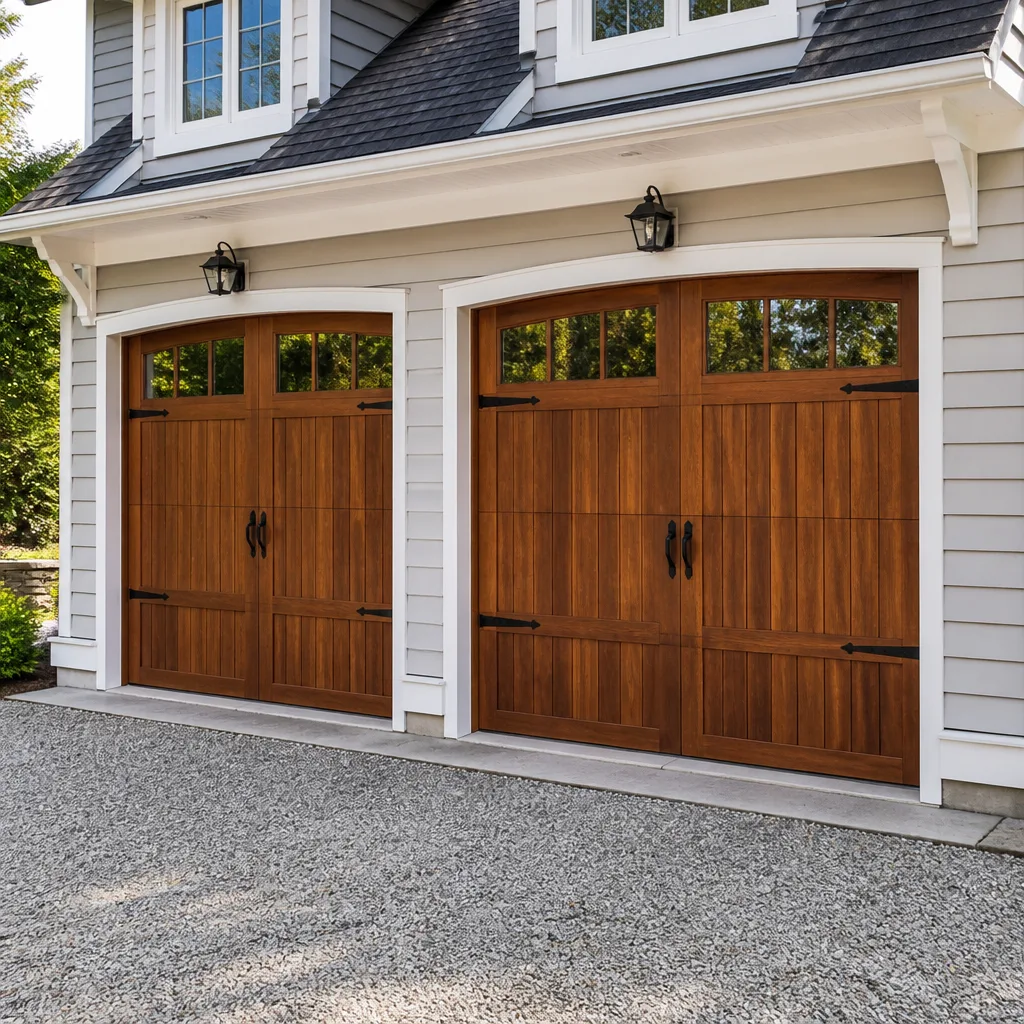 Carriage house
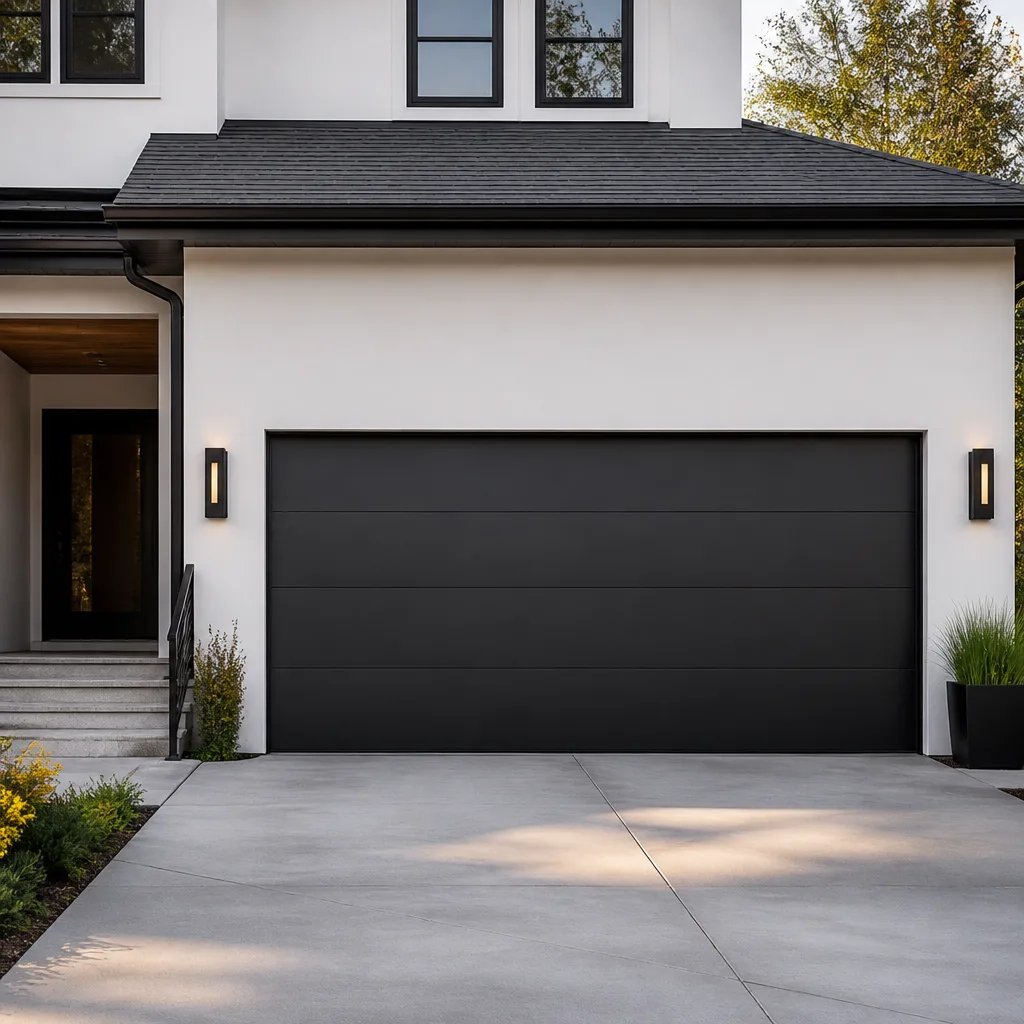 Modern flush
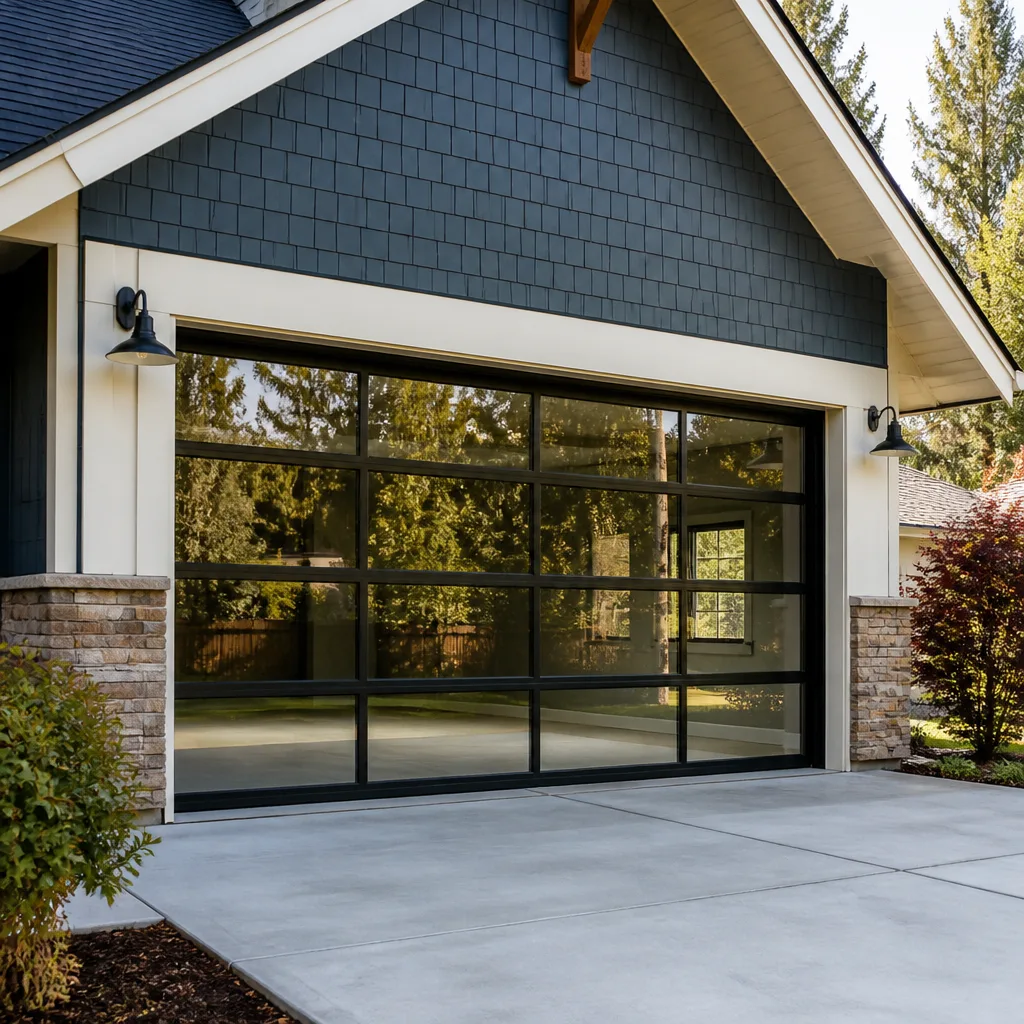 Full-view glass
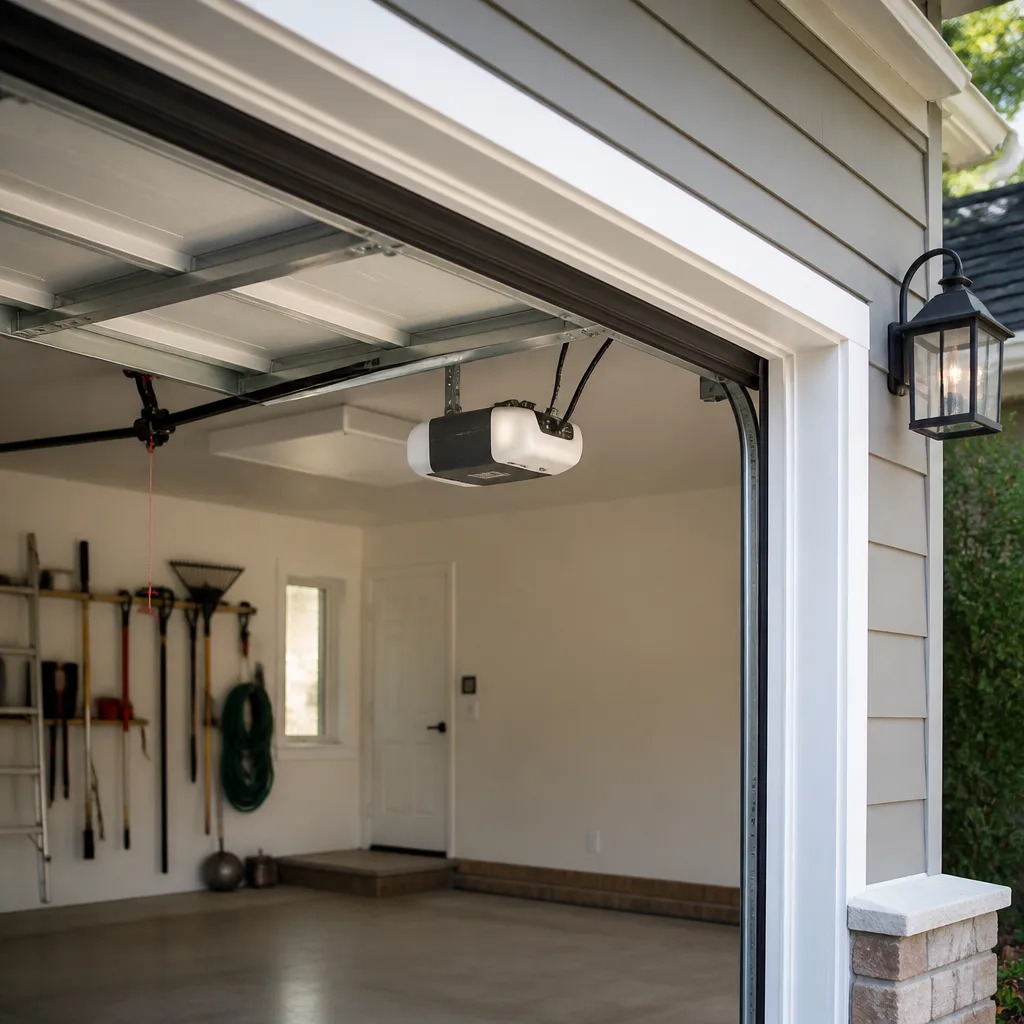 LiftMaster openers
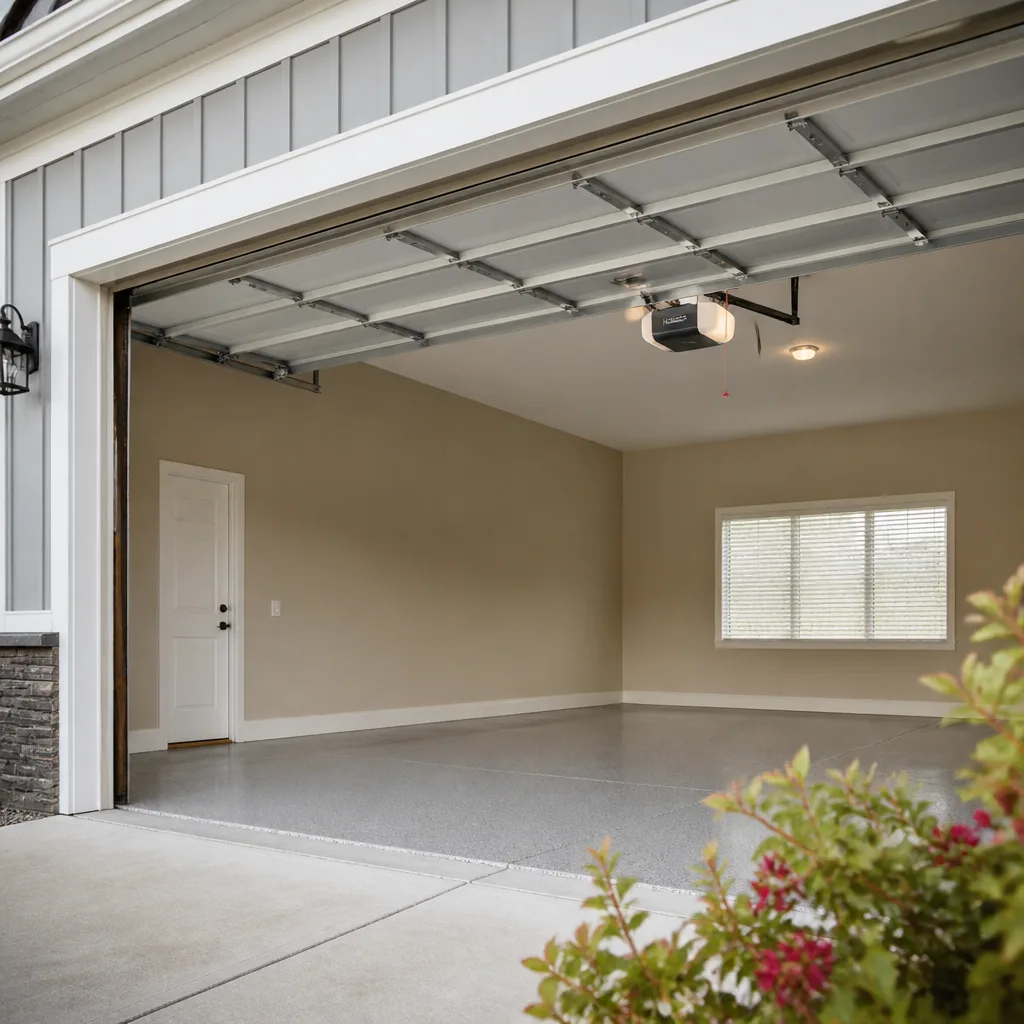 Chamberlain openers
Full 25-point door and opener safety check with every visit - springs, cables, rollers, tracks, and your LiftMaster or Chamberlain opener included
You get a price before we start. It does not change when the pro arrives.
Get your free estimateSeasonal Garage Door Care for Weequahic: Year-Round Homeowner’s Guide
Winter gets all the blame for garage door failures. In Weequahic, that blame lands in the wrong month. More springs snap in late February and early March than in January, because that’s when freeze-thaw cycling peaks across this part of New Jersey and metal fatigue finally catches up with hardware that’s been stressed all season. The cold starts the damage. The thaw collects on it. This guide maps every garage door component to the season that actually attacks it, with a 12-month calendar of ten-minute tasks so you’re adjusting and inspecting on the right schedule instead of reacting after something breaks.
Quick Answer
Seasonal garage door care in Weequahic means matching maintenance to what each season does to your hardware: adjust spring tension and seal the bottom in fall before the first hard freeze, flush road salt off cables and brackets through winter, run a full post-winter inspection in spring for flat rollers and cable contraction, and recheck door balance in summer when heat loosens torsion spring tension. Ten minutes a month on the right component prevents most of the failures we see in Weequahic. Garage Door Repair Weequahic handles spring adjustment, opener diagnostics, and full installations when a check turns up something that needs a trained hand.
Styles & brands we work with
- Raised-panel steel
- Carriage house
- Modern flush
- Full-view glass
- LiftMaster openers
- Chamberlain openers
Table of Contents
- Why Weequahic’s Climate Hits Garage Doors Differently
- Fall: The Highest-ROI Prep Before the First Hard Freeze
- Winter: How Road Salt Attacks Your Door From the Ground Up
- Spring: The Post-Winter Inspection Sequence
- Summer: Heat, Spring Tension, and the Sluggish Door
- Your 12-Month Weequahic Garage Door Calendar
- Brand Matters: What We See on LiftMaster, Chamberlain, and Genie Systems
- Common Mistakes to Avoid
- When to Call a Professional
- Frequently Asked Questions
Why Weequahic’s Climate Hits Garage Doors Differently
Weequahic sits in a northeastern climate corridor that runs through four distinct moods a year, and each one attacks a different part of your garage door. A door is a mechanical system made of steel, aluminum, wood, rubber, and tensioned springs, and none of those materials respond to weather the same way. That’s why a single “annual tune-up” in Weequahic misses the point. The right question isn’t whether you maintain your door. It’s whether you’re maintaining the right part at the right time.
Here’s how the seasons divide the work:
- Fall is your adjustment window. Temperatures are stable enough that a spring tension check means something, and you have time before the first hard freeze locks in the geometry of the door.
- Winter is a corrosion and contraction season. Road salt migrates into garages on tires and splash, settling on bottom seals, cables, and bottom brackets. Cold contracts metal and stiffens lubricant.
- Spring is the audit. Freeze-thaw cycling has done its work, and this is when hidden damage surfaces. A full inspection sequence catches it before summer heat adds another stress.
- Summer is a tension season. Heat expands steel and relaxes torsion springs, so a door that balanced perfectly in March often feels sluggish by July.
The neighborhoods around Weequahic Park see this pattern clearly. Homes with attached garages facing west take the afternoon sun hardest in summer, and doors on north-facing garages hold moisture longer through the shoulder seasons. Either way, the same seasonal logic applies. Our technicians have up to 8 years of experience reading exactly these patterns, and the calendar later in this guide is built on what we actually find when we open a door in Weequahic in February versus August.
Fall: The Highest-ROI Prep Before the First Hard Freeze
The single highest-return task you can do for a garage door in Weequahic is a spring tension and balance check in fall, before the first hard freeze. A torsion spring that’s slightly out of adjustment in October becomes a snapped spring by late winter, because the freeze-thaw cycle stress-tests every weak point in the system. Adjust the tension while the weather is stable and you remove the load that would otherwise build through the cold months.
You don’t need to touch the springs to know whether they need attention. Test the balance instead:
- Close the door and pull the emergency release cord to disconnect the opener.
- Lift the door by hand to about waist height and let go.
- A properly balanced door holds its position or drifts only slightly. A door that drops fast, or rises on its own, is out of balance.
- Repeat the test at chest height and again near the top of travel.
If the door fails that test, the spring tension needs adjusting, and that’s a job for a trained technician. Torsion springs are under extreme tension and can cause serious injury if handled incorrectly. Don’t try to wind them yourself. What you can do safely in fall:
- Lubricate hinges, rollers, and the torsion bar with a garage-door-rated lubricant, not household oil.
- Check the bottom seal for cracks and replace it if it’s stiff or torn.
- Tighten the bolts on the hinges and the bracket at the top of the door.
- Clear leaves and debris from the tracks at the floor.
If your door is a Clopay, Amarr, Wayne Dalton, or Raynor model, autumn is also the smart time to book a professional adjustment, because the written estimate sets the price before any work starts. When you’re ready, garage door repair covers spring adjustment, roller replacement, and the smaller fixes that make the winter easier on the hardware.
Winter: How Road Salt Attacks Your Door From the Ground Up
Road salt doesn’t stay on the street. It migrates into your garage on tires and splash, and it settles on the lowest parts of your door: the bottom seal, the bottom brackets, and the lower sections of the lift cables. From there it corrodes upward, and by February the damage is often invisible until something fails. In a Weequahic winter, treated roads mean treated garages, and the bottom of your door takes the worst of it.
Here’s what winter does, component by component:
- Bottom seal: Salt-laden slush dries on the rubber, cracks it, and lets cold air and moisture under the door. A stiff or split seal also strains the opener as it drags against the floor.
- Lift cables: Salt spray accelerates corrosion on the cable strands, and the cold contracts the metal, adding tension. Cables that looked fine in October can fray by February.
- Bottom brackets: These carry the full weight of the door on the cable side, and they take direct salt splash. Corroded brackets are a common failure point we find in Weequahic during the thaw.
- Rollers and hinges: Cold thickens lubricant, and stiff rollers put extra strain on the opener, especially on older LiftMaster and Chamberlain units.
Your winter routine is simple and cheap. Rinse the bottom of the door and the tracks at the floor with water after heavy salt exposure, dry them, and apply a light coat of garage-door lubricant to the hinges and rollers. Check the bottom seal for cracks once a month. Watch the lift cables for fraying where they meet the brackets, and if you see a broken strand, stop using the door and call for service.
Cold weather also stiffens the weatherstripping around the door frame, so check the perimeter for gaps and replace worn strips. A tight seal keeps snow and wind out and keeps your garage warmer, which helps the opener run easier through the coldest weeks. For a door that’s struggling in winter, we offer garage door opener repair and emergency service for failures that can’t wait for a scheduled appointment. Just remember: we’re closed on Saturday, and open Sunday through Friday, 7am to 7pm. If your door fails on a Saturday, call and we’ll book you for Sunday.
Spring: The Post-Winter Inspection Sequence
Spring in Weequahic is your audit season, because freeze-thaw cycling has just finished stressing every component and the damage is now visible. Run this inspection sequence in March or early April, in this order, so you catch problems before summer heat adds another stress:
- Check the lift cables for contraction damage. Cold shrinks metal, and cables that were correctly tensioned in fall may be tighter in spring. Look for fraying at the drum and brackets, and for slack or uneven tension between the two sides.
- Inspect the rollers for flat spots. Repeated cold starts can leave rollers with flat spots where they sat against the track. A door that rattles or shudders on the way up often has flat or seized rollers. Nylon rollers last longer than steel in this climate.
- Test door balance using the same hand test from fall. If it fails, the spring tension needs professional adjustment.
- Check the bottom seal and perimeter weatherstripping for winter cracks and salt damage.
- Listen to the opener. A strained motor, a grinding sound, or a door that reverses partway up points to a chain, belt, or gear issue that needs attention.
- Clear the tracks of grit and salt residue and lubricate the moving parts.
Spring is also the right time to check the safety features. Test the auto-reverse by placing a small board in the door’s path, and test the photoelectric sensors by blocking the beam while the door closes. Both should reverse the door. If either fails, the opener needs service before the door is used again.
If your inspection turns up something that needs a professional, we handle spring repair as a dedicated service. A single torsion spring typically runs $180 – $340 to replace in Weequahic, and a matched pair is usually replaced together, so expect roughly twice that for a pair. Any price we quote is confirmed in a written estimate before work starts, and the estimate sets the final price.
Summer: Heat, Spring Tension, and the Sluggish Door
Summer heat relaxes torsion spring tension, and that’s why a door that balanced perfectly in March often feels sluggish by July. Steel expands in the heat, the spring loses some of its winding, and the door suddenly feels heavier on the way up or drops harder on the way down. It’s not your imagination, and it’s not the opener’s fault. The door is out of balance again, just in the other direction.
What to watch in summer:
- Sluggish lift or hard closing: A sign the spring tension has relaxed and the opener is doing more work than it should.
- Opener strain: A motor that hums louder or runs hotter in July is compensating for a door that needs adjusting.
- Sticky seals: Heat makes rubber weatherstripping tacky, and a sticky seal drags on the door and strains the opener.
- Track alignment: Heat can shift the tracks slightly, especially on doors that face direct afternoon sun, and misaligned tracks make the door bind.
Your summer routine is light. Re-test the balance once a month with the hand test, lubricate the hinges and rollers, and wipe down the seals with a silicone-based lubricant to keep them supple. If the door feels noticeably heavier than it did in spring, have the spring tension checked by a professional. Don’t adjust a torsion spring yourself. It’s under extreme tension and a mistake can cause serious injury.
Summer is also a good time to plan, not patch. If your door is getting stiff and your opener is straining on a hot day, do a balance check and ask yourself whether the door needs a professional adjustment or a full replacement. A new door is a measured, scheduled job, not an emergency one, and we offer a free measure and a written price on garage door installation so you can plan it on your own timeline.
Your 12-Month Weequahic Garage Door Calendar
Most seasonal guides stop at “maintain your door in fall and spring.” That’s too vague to act on. Here’s a month-by-month calendar that assigns a specific ten-minute task to each month, so you’re always working on the component that season is stressing. Keep a copy on the wall of your garage in Weequahic and check it off as you go.
- January: Rinse salt off the bottom seal and tracks, dry, and lubricate. Check cables for fraying once in the month.
- February: Inspect the bottom brackets for rust. Test the door balance by hand. This is peak freeze-thaw month, so watch for grinding or snapping sounds.
- March: Run the full post-winter inspection sequence: cables, rollers, balance, seals, opener, tracks. This is the month the late-winter failures surface.
- April: Test the opener’s auto-reverse and safety sensors. Clean and lubricate the tracks.
- May: Check the perimeter weatherstripping for spring gaps and replace worn strips. Lubricate the hinges and springs with a garage-door-rated lubricant.
- June: Re-test door balance now that heat is setting in. Wipe down seals with silicone lubricant to keep them from sticking.
- July: Check the opener for heat strain: louder hum, hot motor, sluggish lift. Test the balance again mid-month.
- August: Inspect the tracks for heat shift and realign anything binding. Clear grit from the floor tracks.
- September: The critical month. Have the spring tension professionally adjusted before the first hard freeze. Lubricate rollers and hinges.
- October: Seal cracks in the bottom seal, tighten bolts, and clear debris from the track at the floor.
- November: Test the balance one last time before the deep cold. Check the weatherstripping for gaps that would let cold air in.
- December: Do a light lubrication pass on rollers and hinges and watch for stiff operation in the cold.
The logic is simple: adjust in fall, protect in winter, audit in spring, and balance-check in summer. Each month has one job, and none takes more than ten minutes. When a task calls for a trained hand, that’s what we’re here for.
Brand Matters: What We See on LiftMaster, Chamberlain, and Genie Systems
Seasonal stress shows up differently depending on the brand of door and opener you own, and knowing your equipment helps you spot trouble earlier. We work on the brand you already have, across eight established manufacturers, so you rarely need a second company for brand compatibility. That matters in Weequahic because older homes often have openers and doors installed at different times, sometimes from different brands entirely.
A few patterns worth knowing:
- LiftMaster and Chamberlain openers are common on Weequahic doors, and their drive systems are sensitive to a door that’s out of balance. A strained motor in winter or summer is often the door’s spring tension, not the opener itself.
- Genie openers often run quieter but strain when the rollers stiffen in cold weather. If your Genie opener hesitates on a cold morning, check the rollers first.
- Clopay, Amarr, Wayne Dalton, and Raynor doors each have their own bottom seal and hinge designs, and the seal replacement that fits one brand won’t fit another. That’s why a proper seasonal check includes a brand-aware look at the seal and brackets.
When a check turns up something serious, our diagnostic approach is to find the actual cause first, not to guess. Get it fixed right the first time, whether that means a spring adjustment, an opener repair, or a new door. Brand-specific knowledge on both the door side and the opener side is what lets us bridge the two.
See the difference
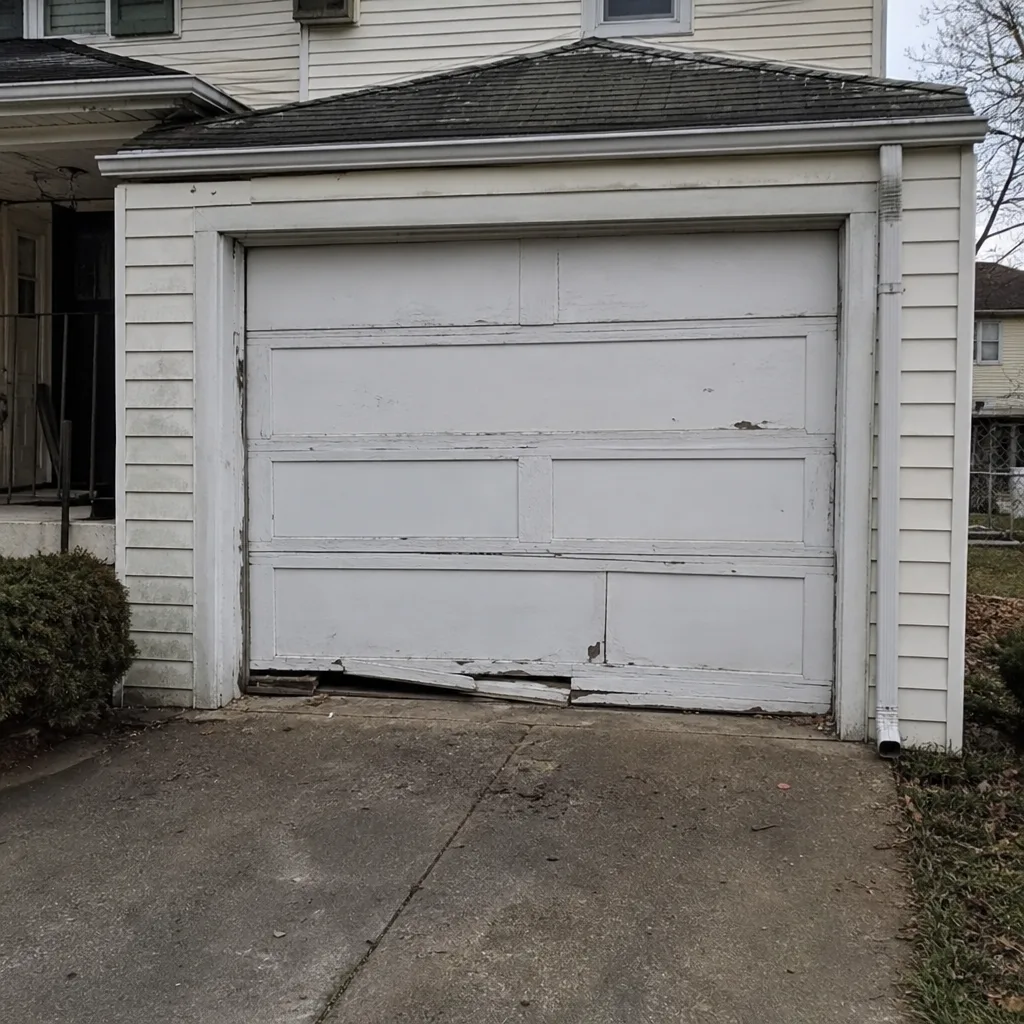 Before
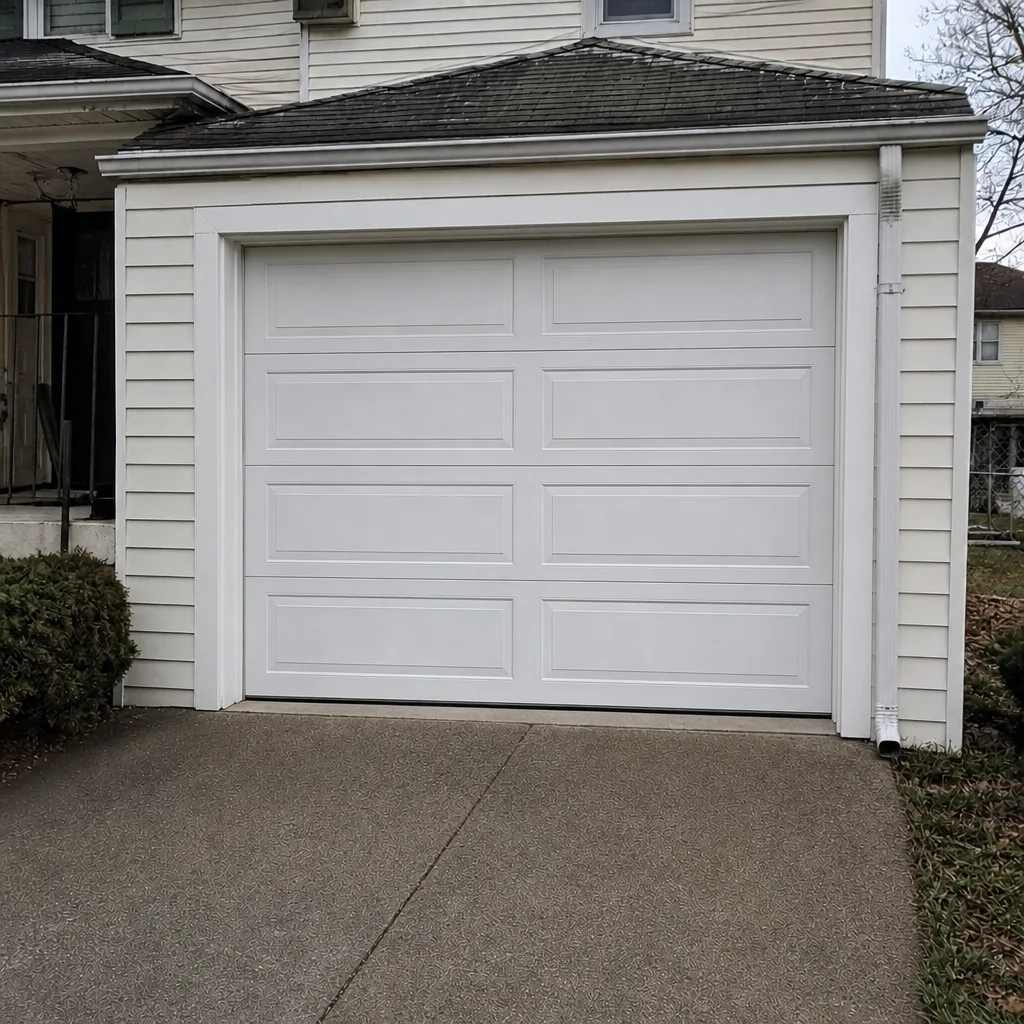 After
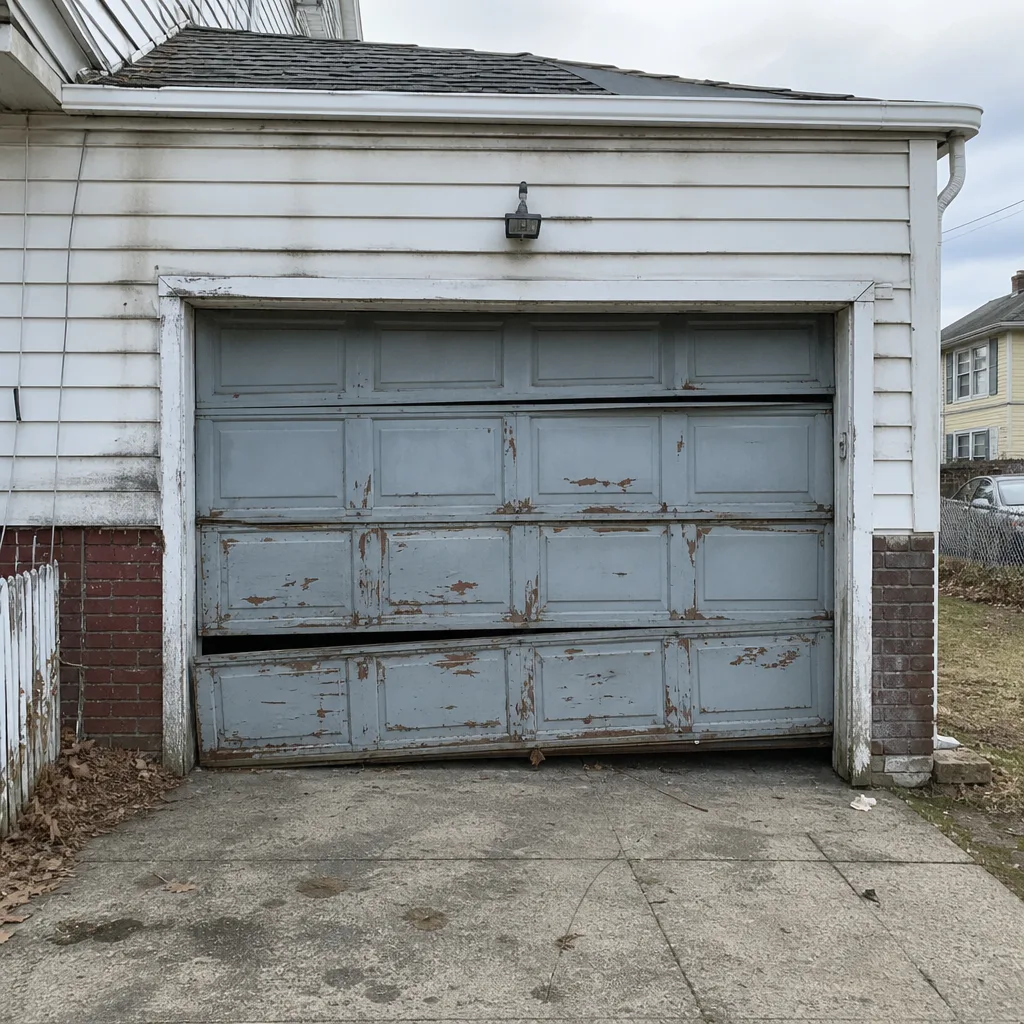 Before
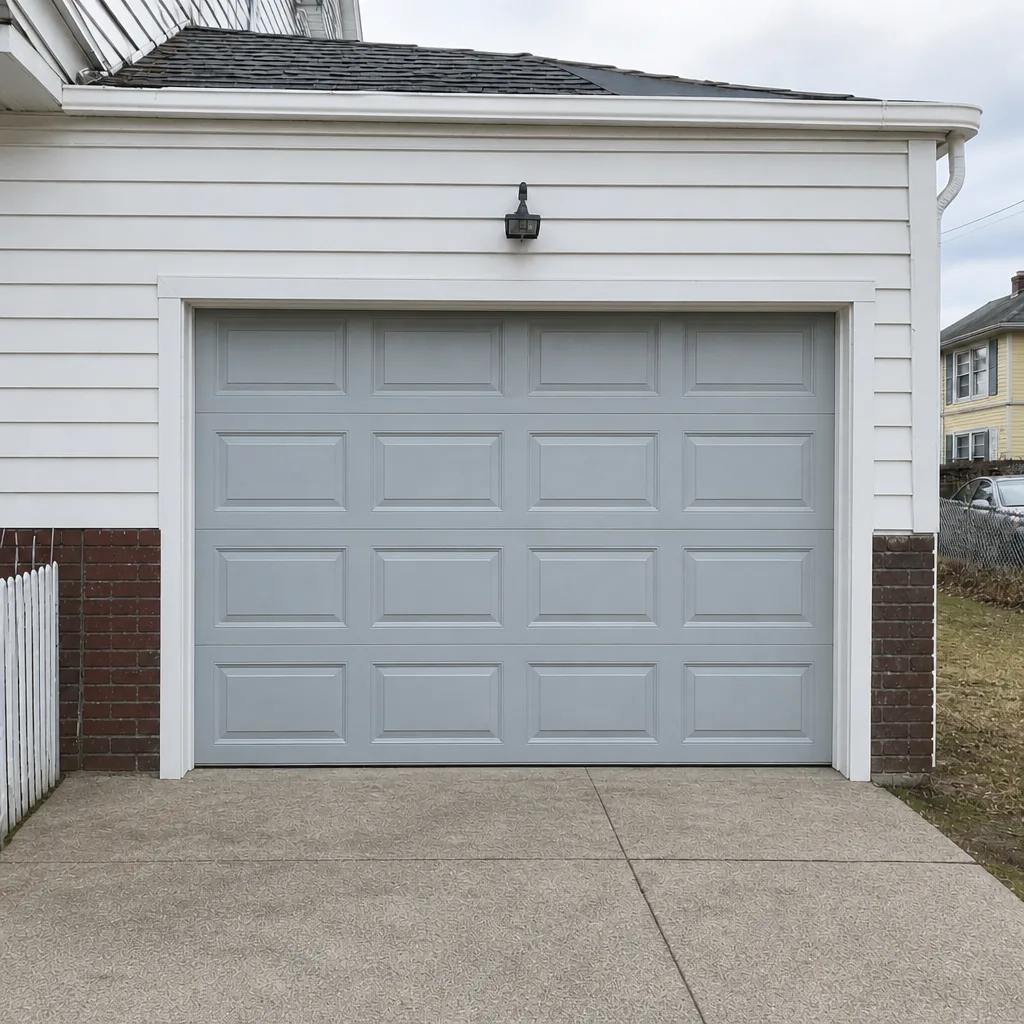 After
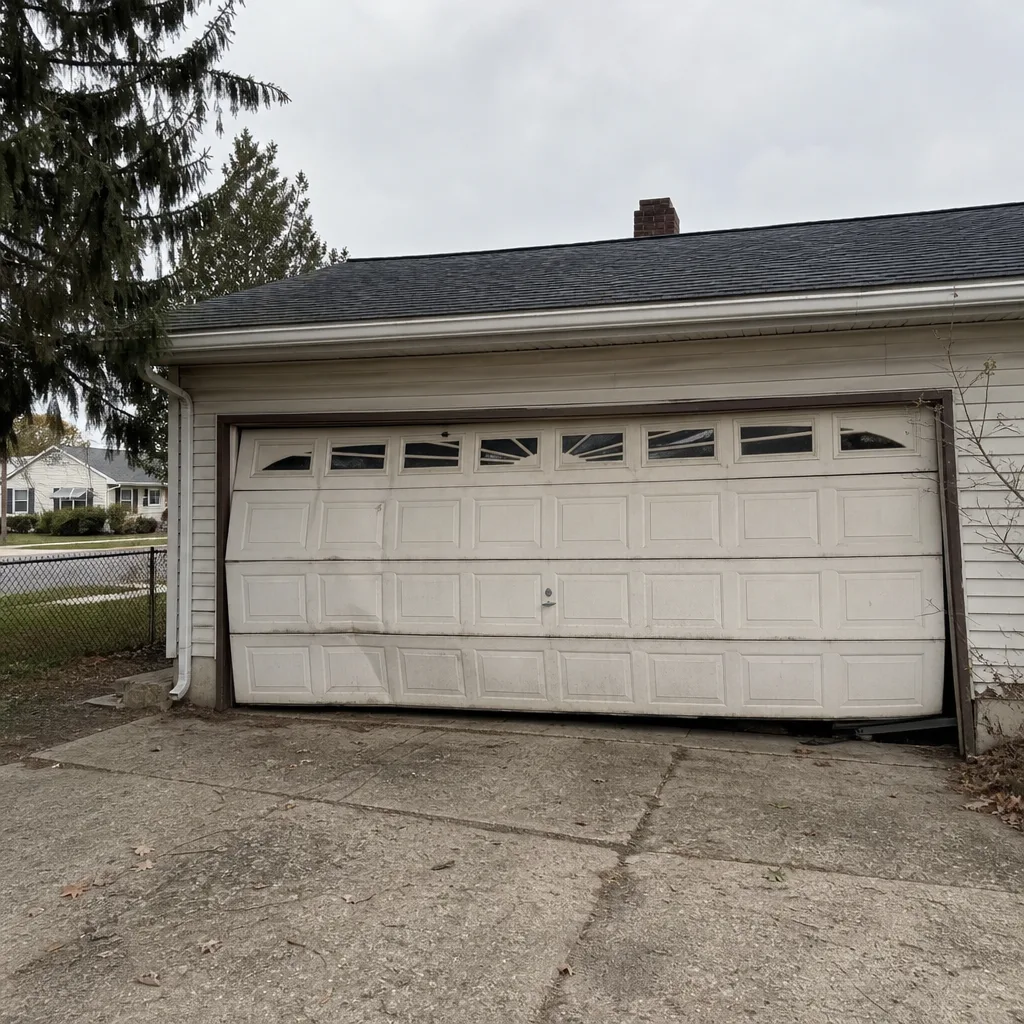 Before
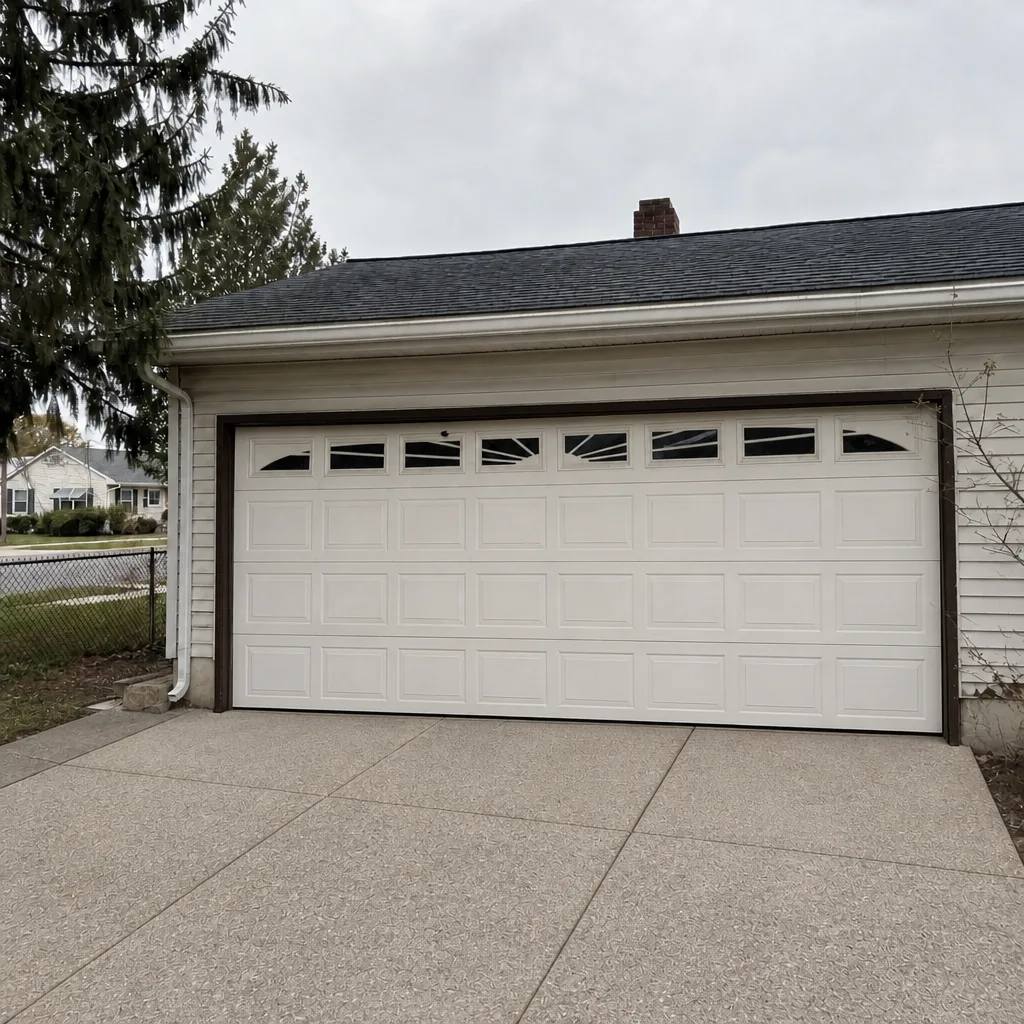 After
Common Mistakes to Avoid
- Waiting until the spring snaps. In Weequahic, that snap usually happens in late February or early March, after months of freeze-thaw stress. A fall adjustment removes most of the load long before the failure.
- Using household oil on hinges and rollers. It attracts grit and turns gummy in the cold, which makes the strain worse. Use a garage-door-rated lubricant instead.
- Ignoring road salt on the bottom of the door. Salt settles on the bottom seal, cables, and brackets and corrodes them from the ground up. A quick rinse after heavy salt exposure prevents most of that damage.
- Adjusting the torsion spring yourself. Torsion springs are under extreme tension and a mistake can cause serious injury. Balance testing by hand is safe; adjusting the spring is not.
- Skipping the spring audit after winter. Freeze-thaw cycling leaves hidden damage that only shows up in spring. Skip the inspection and you carry the problem into summer heat, which adds another stress cycle.
- Blaming the opener for a sluggish door. In summer heat, relaxed spring tension makes the door feel heavy, and the opener takes the blame. Test the balance before you replace the opener.
- Assuming a door that balances in March is fine in July. Heat changes spring tension, so a spring that works in spring may still need a summer check.
When to Call a Professional
Call a professional when the balance test fails, when you hear a snap or grinding sound, when the door won’t reverse on the safety test, when you see a frayed lift cable, or when the bottom brackets show rust and movement. These aren’t the ten-minute tasks in the calendar; they’re the checkpoints where a trained hand keeps your door safe. Garage Door Repair Weequahic offers free estimates in Weequahic. Call (833) 508-9169 and we’ll book you in. We’re open Sunday through Friday, 7am to 7pm, and closed on Saturday. Our technicians have up to 8 years of experience on the brands you own, and we quote the price in a written estimate before any work starts, so there are no surprises on the invoice.
Frequently Asked Questions
Adjust your springs in September, before the first hard freeze, and check the balance again in March and July. A fall adjustment removes the load that freeze-thaw cycling would otherwise build through the winter, so it’s the single highest-return task you can do on a garage door in Weequahic. Call (833) 508-9169 for a professional adjustment and a free estimate.
Late February and early March are when freeze-thaw cycling peaks in Weequahic, and that’s when metal fatigue catches up with hardware stressed all season. The cold starts the damage through contraction, and the thaw cycles finish it. A fall tension adjustment is the best way to reduce that risk before the stress builds.
Road salt migrates into your garage on tires and splash, settling on the bottom seal, bottom brackets, and lower lift cables. It corrodes those parts from the ground up, and by late winter the damage can be invisible until something fails. Rinsing the bottom of the door and tracks after heavy salt exposure and checking the cables monthly limits the damage.
We’re open Sunday through Friday, 7am to 7pm, and closed on Saturday. If your door fails on a Saturday, call (833) 508-9169 and we’ll book you in for Sunday. Emergency garage door service is part of our regular offering, not a special promotion.
Summer heat relaxes torsion spring tension, so a door that balanced perfectly in March often feels heavy by July. The spring has unwound slightly with the heat, and the opener is doing more work than it should. Test the balance by hand, and if it fails, call for a professional spring adjustment rather than replacing the opener.
A single torsion spring typically costs $180 – $340 to replace in Weequahic, and since a matched pair is usually replaced together, expect roughly twice that for a pair. The written estimate we provide sets the final price, and the price is quoted before any work starts. Call (833) 508-9169 for a free estimate.
The Bottom Line
Garage door care in Weequahic isn’t one annual task. It’s a year-round schedule matched to what each season does to your hardware. Adjust spring tension in fall before the first hard freeze. Flush road salt off the bottom of the door in winter. Run the full post-winter inspection in spring to catch cable and roller damage. Recheck balance in summer when heat relaxes the springs. Ten minutes a month on the right component, and you’ll spend far less time and money than a homeowner reacting to a snapped spring in late February. Follow the 12-month calendar and leave the spring adjustment to a trained hand.
Need a professional check on your door? Call (833) 508-9169 for a free estimate. We’re open Sunday through Friday, 7am to 7pm, and closed on Saturday. Our technicians have up to 8 years of experience on the brands you own, from LiftMaster and Chamberlain openers to Clopay and Raynor doors. We diagnose the actual cause and quote the price in writing before any work starts.
Written by the team at Garage Door Repair Weequahic.