Last updated November 23, 2026
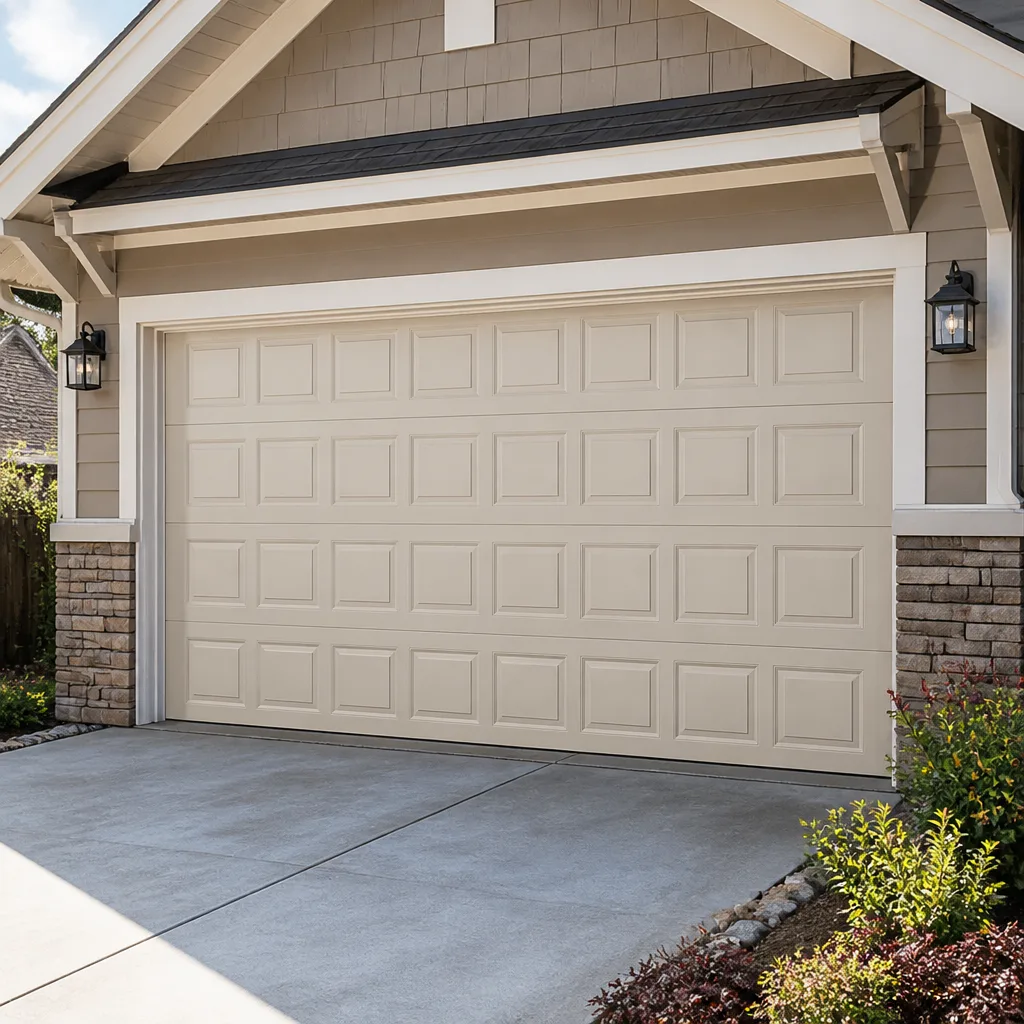 Raised-panel steel
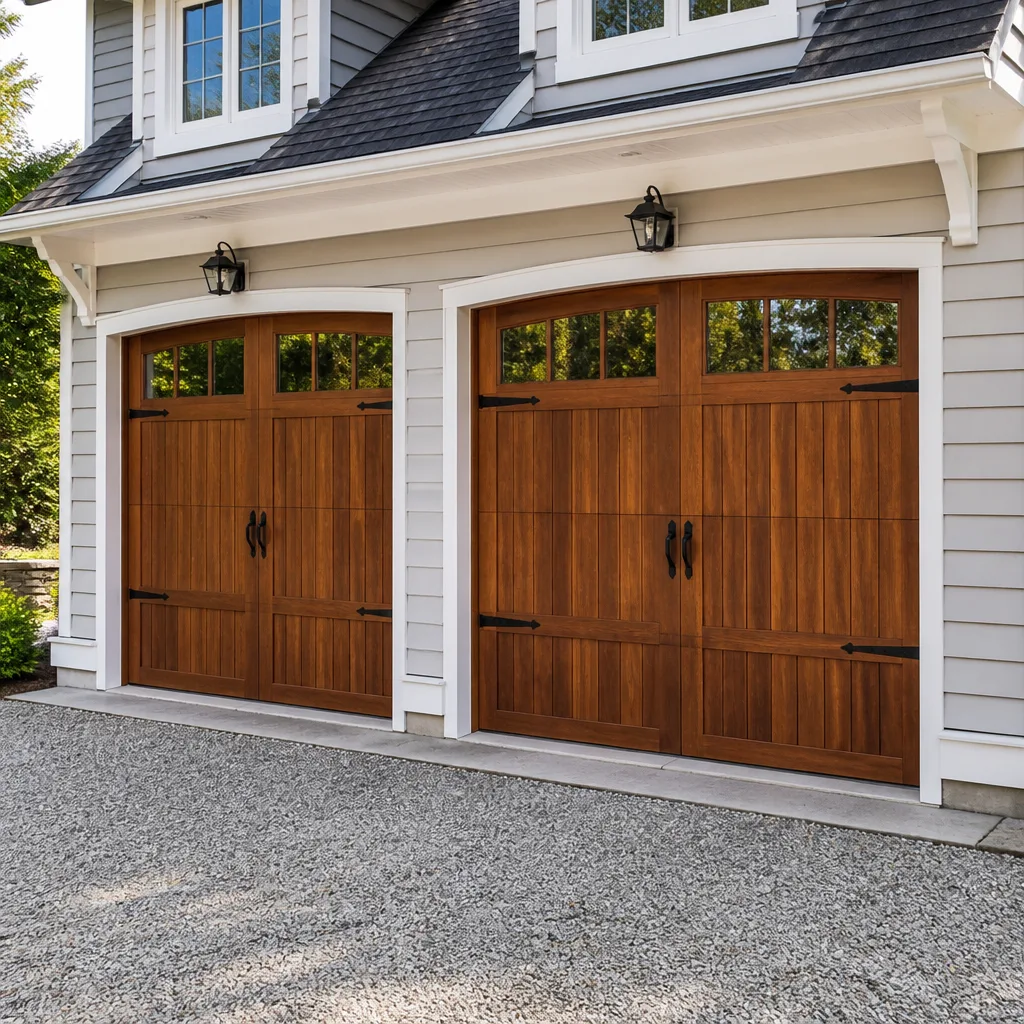 Carriage house
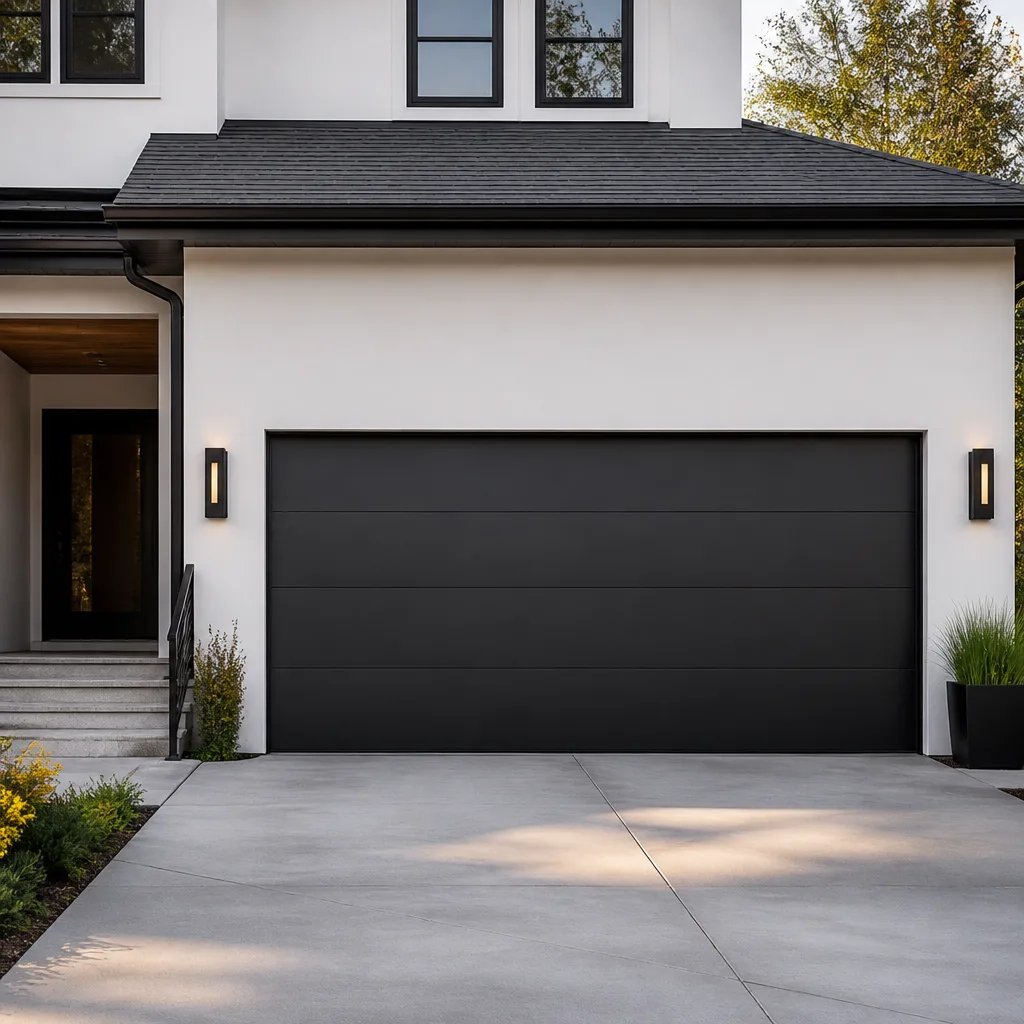 Modern flush
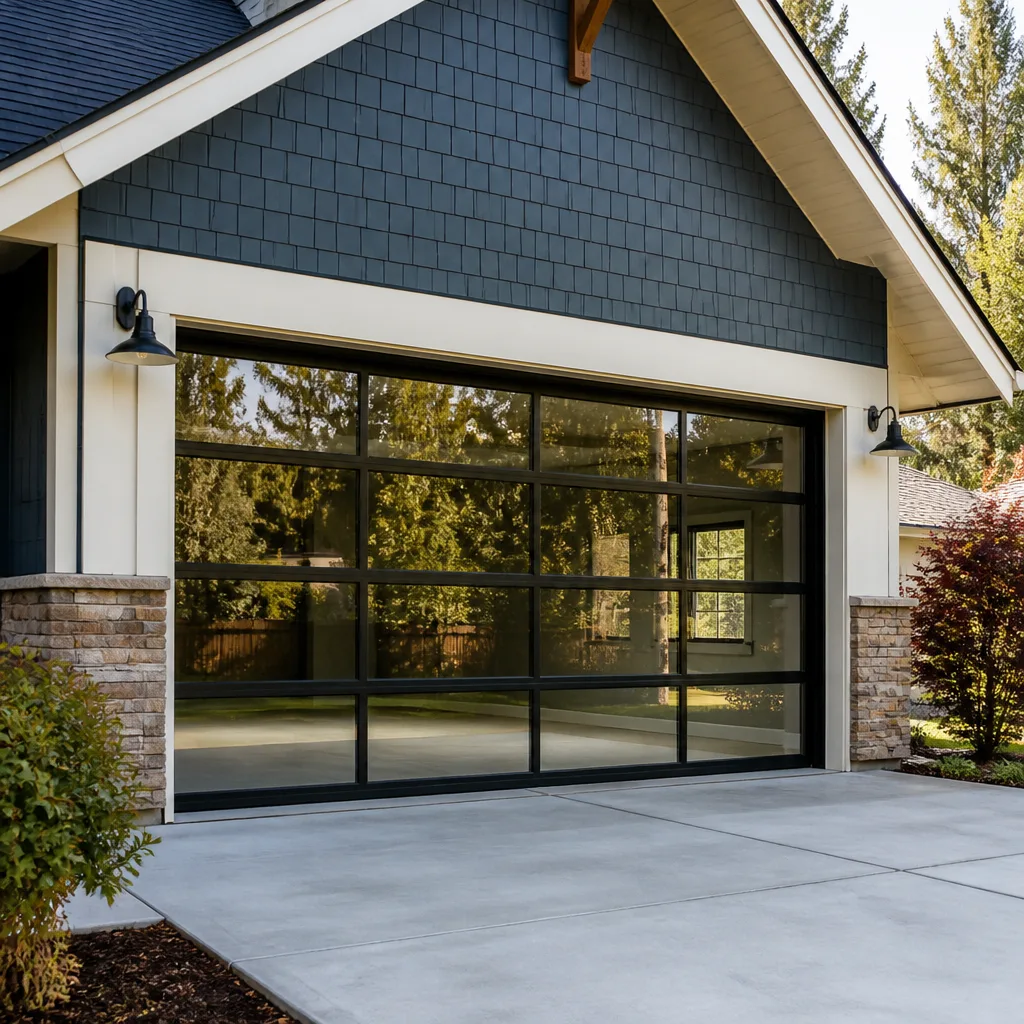 Full-view glass
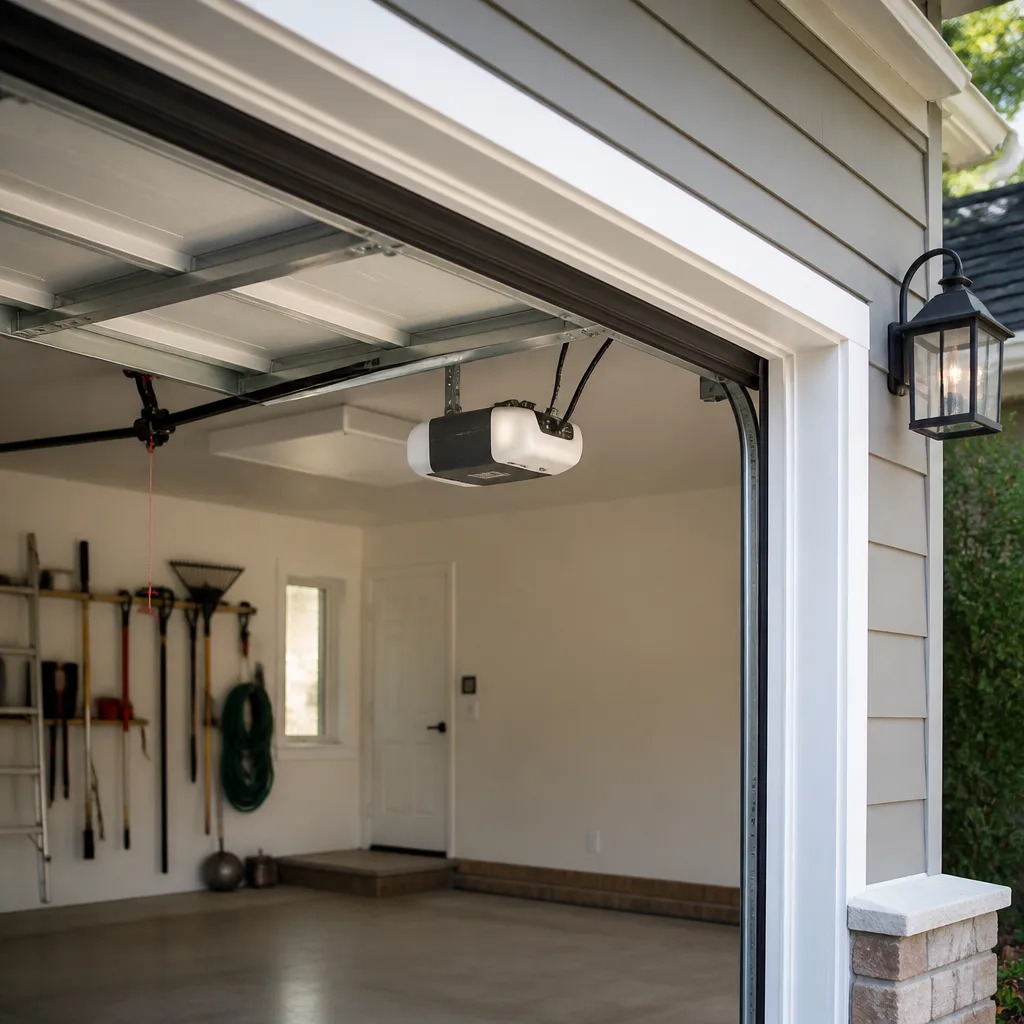 LiftMaster openers
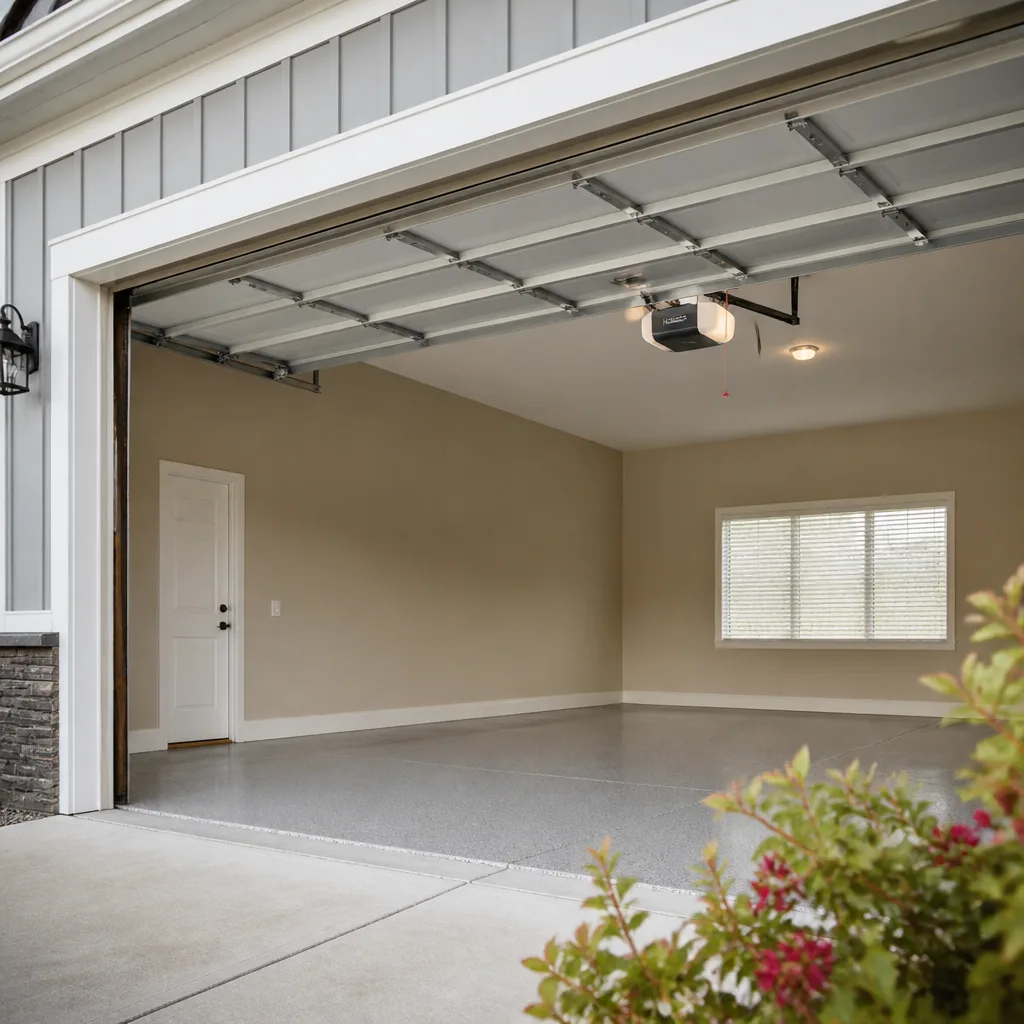 Chamberlain openers
Full 25-point door and opener safety check with every visit - springs, cables, rollers, tracks, and your LiftMaster or Chamberlain opener included
You get a price before we start. It does not change when the pro arrives.
Get your free estimateChoosing the Right Garage Door Brand: A Buyer’s Guide for Weequahic
Most garage door brand guides rank manufacturers by color options and panel styles. That’s backwards. The brand you choose determines whether you can get a torsion spring, a cable, or a circuit board five years from now, and whether the next technician who shows up can actually work on what you bought. Some of the most heavily advertised names in this trade build proprietary systems that lock you into their parts pipeline and their dealer network. Others use standard components any competent shop can source. This guide walks through the criteria that matter after the installation truck pulls away, with specific attention to what works in Weequahic‘s climate and housing stock. You’ll finish knowing how to separate a brand worth buying from one worth avoiding.
Quick Answer
The best garage door brand in Weequahic is the one whose springs, cables, rollers, and opener boards are still available from multiple suppliers years after installation. In practice, that means brands using standard industry components (Clopay, Amarr, Wayne Dalton) over proprietary systems, and opener brands with wide technician familiarity (LiftMaster, Chamberlain, Genie, Craftsman). Aesthetics matter, but serviceability and warranty transferability should be your first filters.
Styles & brands we work with
- Raised-panel steel
- Carriage house
- Modern flush
- Full-view glass
- LiftMaster openers
- Chamberlain openers
Table of Contents
- What criteria actually matter when choosing a garage door brand?
- How do the major brands compare for Weequahic homes?
- What is the proprietary parts trap?
- When does R-value matter for a Weequahic garage?
- How do you verify a contractor really knows a brand?
- How do warranty terms differ, and which ones transfer?
- Common mistakes to avoid
- When to call a professional
What criteria actually matter when choosing a garage door brand?
Serviceability comes first. Before you look at panel profiles or window inserts, ask three questions about any brand a contractor recommends. Can I buy replacement springs and cables from a source other than the original dealer? Is the opener’s control board and logic module available as a standalone part? Will the manufacturer honor the warranty if a different company does the repair? A brand that fails any of these tests is a liability, no matter how good it looks on day one.
Here’s the framework we use when evaluating any brand, and the one you should apply yourself:
- Parts availability. Standard torsion springs, extension springs, cables, drums, and rollers are industry-wide components. Brand-specific hinges, track profiles, and opener boards are not. Favor brands using standard hardware on the wear items.
- Dealer network density. In the Newark metro, a brand with broad distribution means parts are a day away, not a month.
- Warranty transferability. Read whether the warranty requires the original installer to file the claim. Some do. Those warranties are effectively void the moment you use a different company.
- Climate performance. In northern New Jersey, freeze-thaw cycles stress springs and tracks. Insulation and seal quality matter more here than in milder regions.
- Opener compatibility. If the door brand forces a specific opener ecosystem, you’ve narrowed your repair options for the life of the door.
We’ve seen the fallout of ignoring these criteria across Weequahic. A homeowner buys a premium-looking door from an out-of-area dealer, then discovers the only source for a replacement bottom bracket is that same dealer, three weeks out. Meanwhile, the door is stuck open and the house is exposed. Criteria first, aesthetics second.
How do the major brands compare for Weequahic homes?
The brands installed most often in northern New Jersey split into two camps: door manufacturers and opener manufacturers. Some companies do both, but the skill sets differ. Here’s how the major names stack up on the criteria that matter for a Weequahic installation.
- Clopay. Wide distribution, standard hardware on the wear items, and insulation options that suit attached garages. Parts are broadly available through supply houses in the Newark metro, which means less downtime if something fails.
- Amarr. Solid steel and carriage-house lines, generally good parts support, and a strong reputation for straightforward construction. Warranty terms are typically clear about installation requirements.
- Wayne Dalton. Broad product range from entry-level to insulated. Some lines use proprietary track and hinge profiles, so check the specific model’s hardware before committing. Opener compatibility is generally good.
- Raynor. Commercial-leaning reputation with solid residential lines. Fewer local dealers than Clopay, so parts sourcing deserves a closer look before you buy.
- CHI. Carriage-house and custom styles. Availability depends heavily on the local dealer, so verify parts sourcing upfront.
On the opener side, LiftMaster and Chamberlain dominate for a reason: parts and technician familiarity are everywhere. Genie has a long history and broad support. Craftsman openers, often installed in older Weequahic homes, use components that overlap with Chamberlain’s ecosystem, which makes them serviceable even though the brand’s retail presence has shifted. When your opener needs work, brand familiarity cuts the diagnostic time significantly. That’s why we handle garage door opener repair across all of these systems rather than referring you out.
Weequahic’s housing stock leans toward older construction with attached and detached garages in varying states of repair. That matters for brand choice: a moderately priced, widely serviceable door on a well-maintained opener will outperform a premium door tethered to a proprietary system, every time.
What is the proprietary parts trap?
The proprietary parts trap is what happens when a manufacturer designs its door or opener to use brand-specific components that can only be sourced through its own dealer network, at its own pricing, on its own timeline. It looks harmless at purchase. It becomes expensive the first time something breaks.
The trap usually shows up in four places:
- Opener logic boards. A proprietary board can’t be swapped for a generic equivalent. If the manufacturer discontinues it or backorders it, your opener is dead until the part arrives.
- Track and hinge profiles. Some brands use non-standard profiles that won’t accept universal replacement hinges or rollers. When a hinge fails, you’re locked into the brand’s supply chain.
- Bottom brackets and cable attachment points. These are safety-critical. Non-standard versions narrow your repair options and raise the risk of improper replacement.
- Springs with odd dimensions. Most torsion springs are standardized by wire gauge, inside diameter, and length. A few brands use dimensions that require a custom-wound spring, which adds cost and lead time.
Standard components matter because they keep your repair options open. Torsion springs, cables, rollers, and drums built to industry dimensions can be sourced from multiple suppliers. If one shop is booked or a supply house is out, another can step in. Proprietary hardware removes that flexibility. When we work on a Weequahic door, the first thing we check is whether the wear items are standard or brand-specific, because that determines whether a repair is a same-day fix or a multi-week wait. It’s also why we handle garage door spring repair as a dedicated service: springs are the most frequent failure and the most dangerous part of the system, and understanding the exact dimensions matters.
The safety point deserves its own line. Torsion springs and the cables they tension are under extreme load. Never attempt spring or cable work yourself. A trained technician with the right tools and winding bars is the only safe path.
When does R-value matter for a Weequahic garage?
R-value matters when your garage shares a wall, ceiling, or floor with conditioned living space. If the garage is attached to the house and the shared wall is insulated, an insulated door reduces heat transfer and makes the space usable through northern New Jersey winters. If the garage is detached and unconditioned, an insulated door delivers almost nothing on your energy bill. It may still be worth it for noise reduction, durability, or if you use the garage as a workspace.
This is where a lot of buyers get upsold. An insulated door is genuinely the right call for an attached Weequahic garage where the door faces the living room or a bedroom above. The thermal break between a cold garage and a warm house is real, and in a climate with freezing winters, an uninsulated door turns the garage into a heat sink. But for a detached garage used only for storage and parking, the insulation premium buys you comfort on the coldest mornings, not savings on your heating bill. Be honest about how the space is used before you pay for insulation you won’t benefit from.
A practical way to think about it:
- Attached garage, living space above or beside it: insulated door, higher R-value is justified.
- Attached garage, no conditioned space adjacent: moderately insulated door is usually enough.
- Detached, unheated garage: insulation is a comfort and durability feature, not an energy feature.
- Garage used as workspace, gym, or shop: insulated door plus good weatherstripping makes the space usable in winter.
We don’t quote R-value recommendations without seeing how the garage connects to the house. Climate zone claims and generic R-value advice don’t mean much without that context. If you’re planning a new door and want an honest read on what insulation level fits your Weequahic garage, that’s a conversation worth having before the order goes in.
How do you verify a contractor really knows a brand?
Ask specific questions and listen for specific answers. A technician who genuinely works on a brand can tell you the common failure points, the parts that are hard to source, and the models to avoid. A technician who just happens to have that brand in the truck will give you generalities.
Here’s a short list of questions that will separate the two:
- “What’s the most common failure on this model?” A brand-experienced tech will name the part, not say “it varies.”
- “Where do you source replacement springs for this door?” If the answer is “from the manufacturer only,” that’s a red flag for your future repair options.
- “Can you show me the warranty language on parts versus labor?” Vague answers here usually mean vague coverage.
- “What openers do you see paired with this door most often, and are there compatibility issues?” A tech who works both sides of the system will have a real answer.
- “Have you installed this brand before?” Ask for the model line and what changed between generations. Real familiarity shows up in the details.
We work on equipment from eight established brands: LiftMaster, Chamberlain, Genie, Clopay, Amarr, Wayne Dalton, Craftsman, and Raynor. That breadth means you rarely need a second company for brand compatibility, and it also means we’ve seen which of these brands hold up in Weequahic’s climate and which ones create the most repair headaches. Our technicians have up to 8 years of experience, and the pattern that recurs is consistent: the brands with standard wear components are the ones homeowners stay happiest with over time.
One more test: ask whether the contractor will service the door after installation even if they didn’t sell it to you originally. A company that only works on what it sells isn’t a service resource, it’s a sales funnel. Brand compatibility should extend to the brand you already have, not just the one they’d like to sell you.
How do warranty terms differ, and which ones transfer?
Warranty terms vary widely, and the details that matter most are buried. Three categories need your attention: what’s covered, for how long, and who can file the claim. The third one trips up the most homeowners.
Door manufacturers typically warrant the sections and hardware separately. A typical structure covers the door sections for a longer period and the moving parts (hinges, rollers, springs) for a shorter one. Opener manufacturers often split the motor, the logic board, and the accessories (remotes, wall consoles, safety sensors) into different coverage windows. Read the actual document rather than trusting a summary.
The transferability question is the one to push hardest on. Some warranties require the original installer to file the claim. That works fine until you move, or until you want a different company to handle the repair. If the warranty is tied to the installer rather than the door, its value depends on one company staying in business and staying available. When a warranty is transferable to the door, or to any authorized technician, you keep your options open. Ask for the language in writing before you sign anything.
One more detail: labor coverage is often separate from parts coverage. A warranty that replaces a failed spring but leaves you paying the labor bill is still worth something, but it’s not full coverage. Understand which side of the invoice the warranty touches. When a part fails on a Weequahic door and we evaluate the repair, the first thing we ask is whether the part is under warranty, because a covered part changes the economics of the job. That’s also why we don’t sell a brand whose warranty requires us to reinstall the original hardware just to file a claim. Serviceability includes the paperwork.
Common Mistakes to Avoid
- Buying on looks alone. The panel style you love is worth nothing if the springs are a proprietary dimension and the only supplier is a three-week wait. Check the hardware before the color.
- Assuming the warranty transfers. Many warranties require the original installer to file the claim. Ask before you buy, and get it in writing.
- Paying for high R-value on a detached garage. Insulation saves energy only when the garage shares conditioned space. On a detached, unheated garage in Weequahic’s climate, the premium buys comfort, not savings.
- Accepting a brand the contractor happens to stock. A door in the truck is a convenient sale, not a brand evaluation. Ask what else they carry and why they chose this one.
- Ignoring opener compatibility. A door that forces a specific opener ecosystem narrows your repair options for years. LiftMaster, Chamberlain, Genie, and Craftsman all have wide technician familiarity; some proprietary systems don’t.
- Skipping the parts trip to the supply house. A brand with weak local distribution means parts are a phone call and a week away, not a same-day pickup.
- Letting anyone but a trained technician touch the springs. Torsion spring and cable work is the most dangerous part of the system. No homeowner should attempt it, no matter how many videos are online.
See the difference
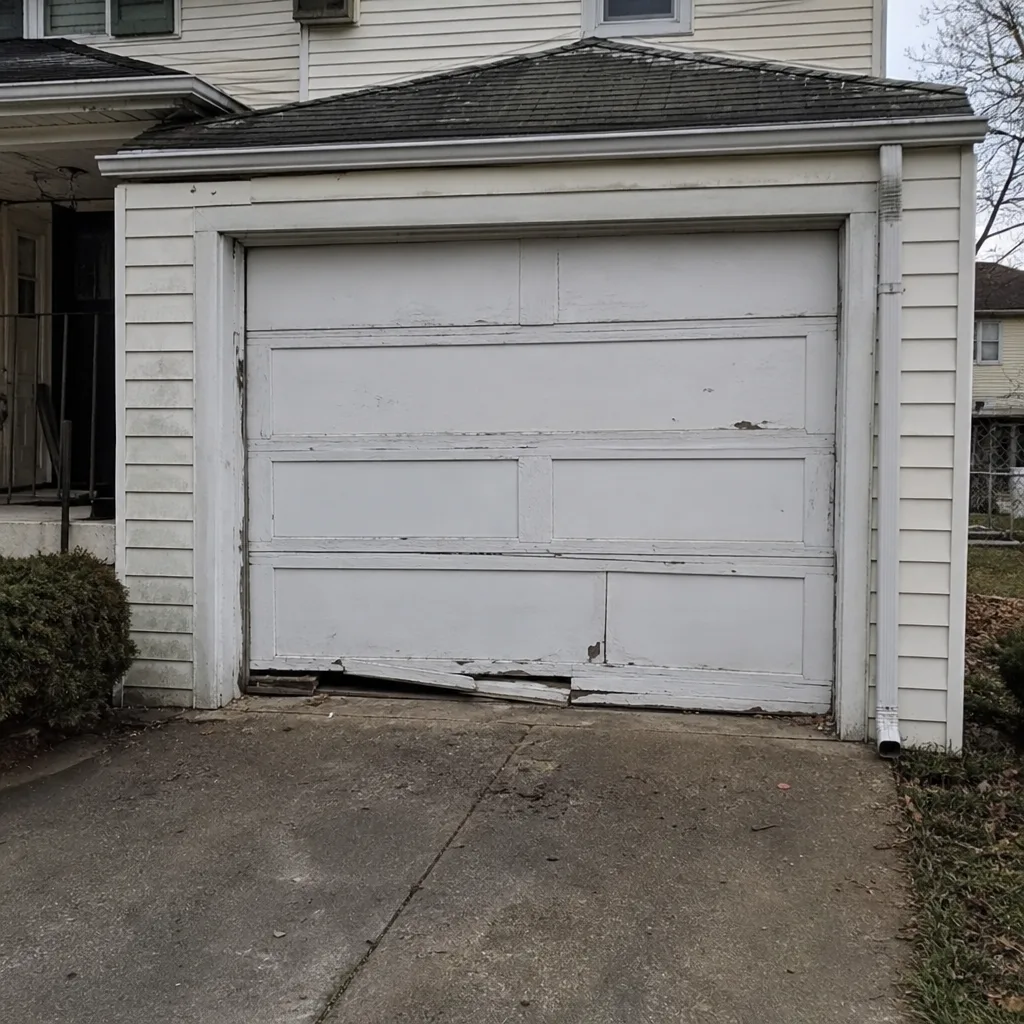 Before
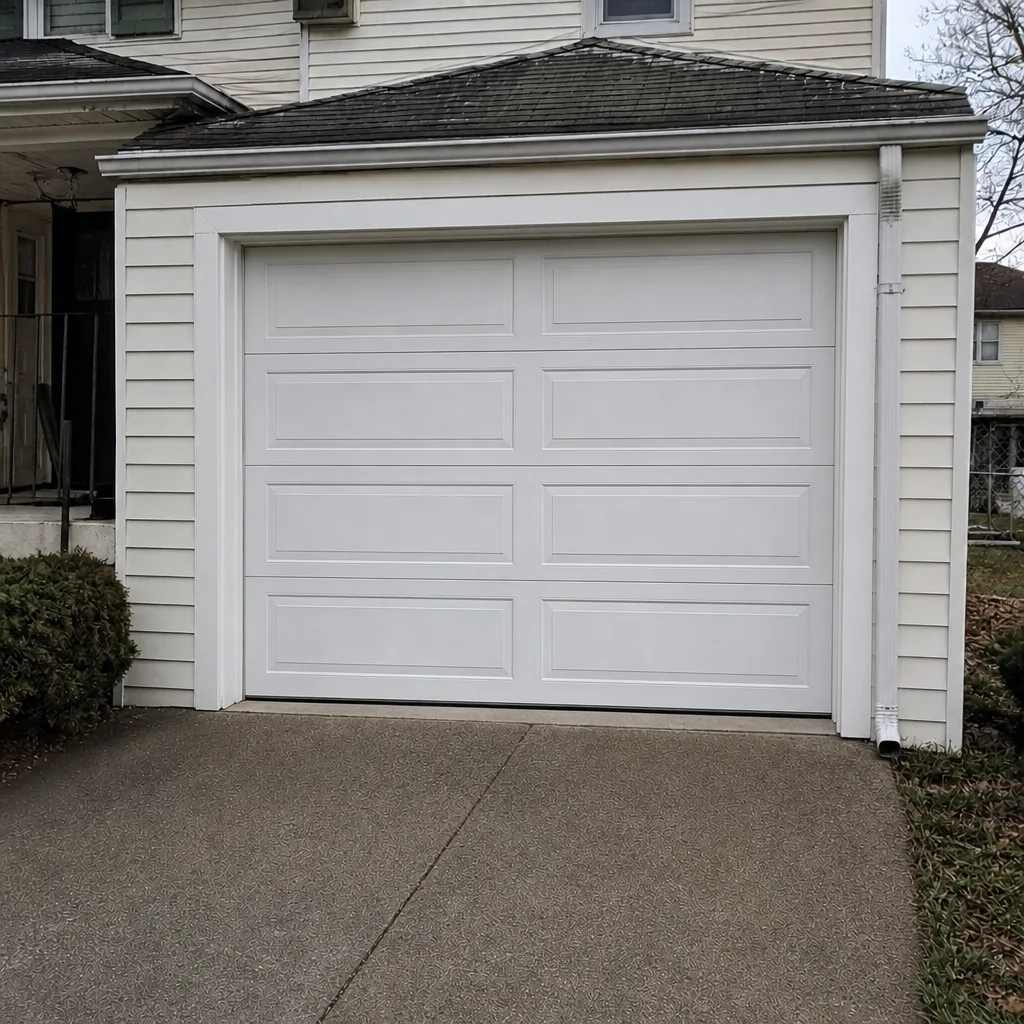 After
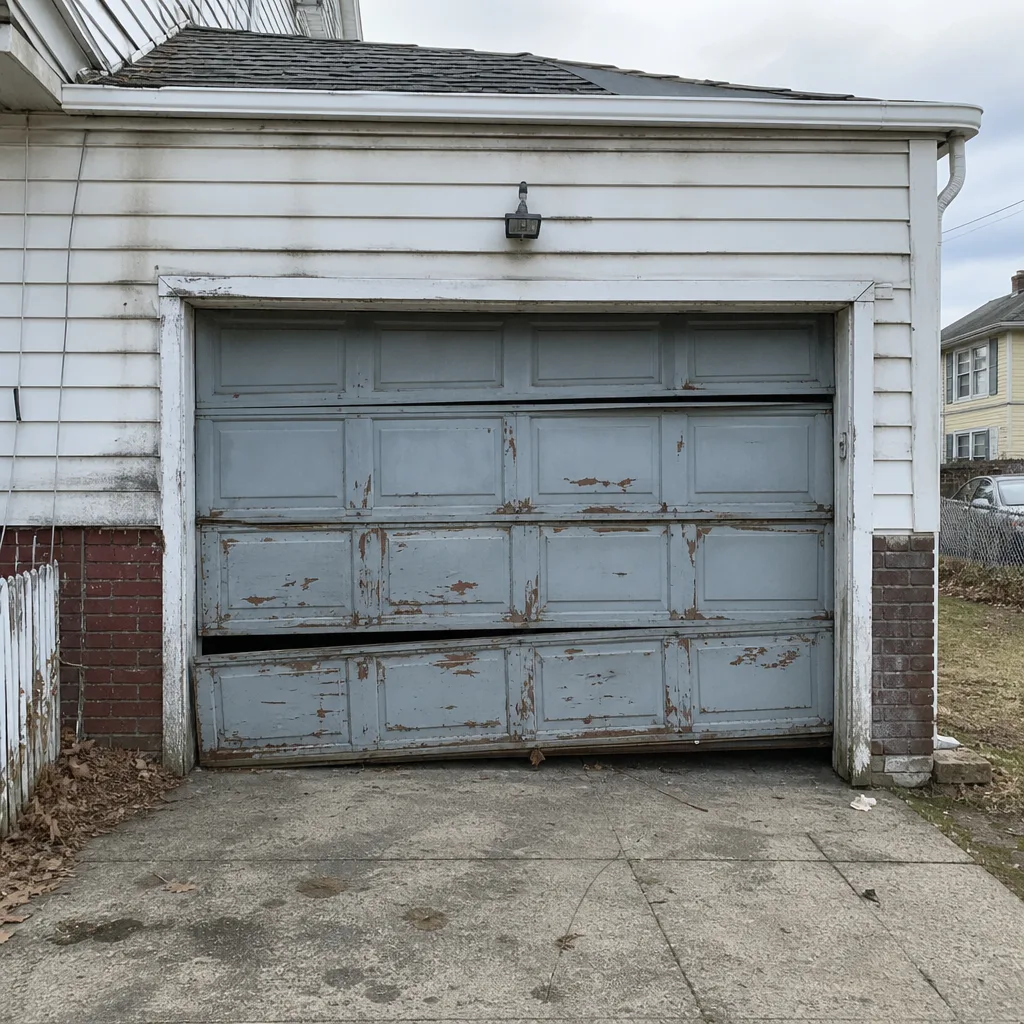 Before
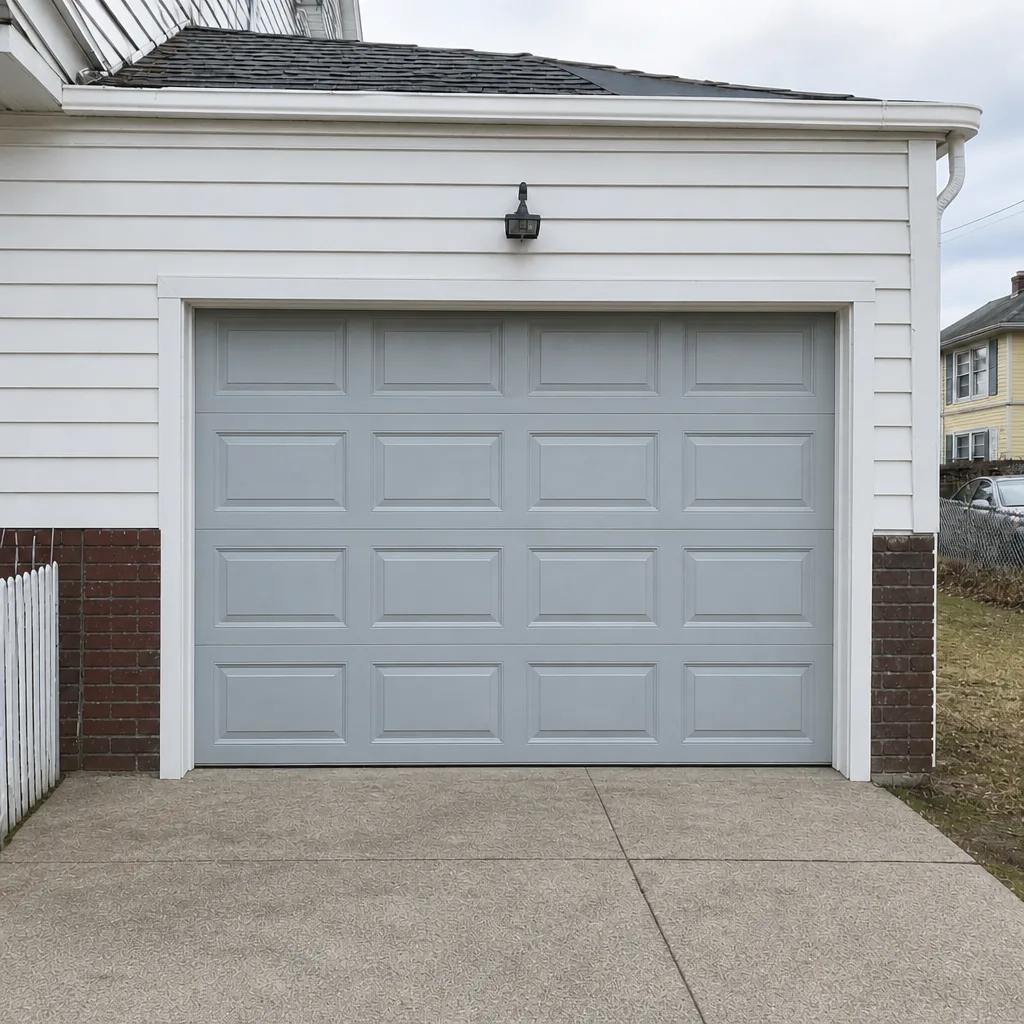 After
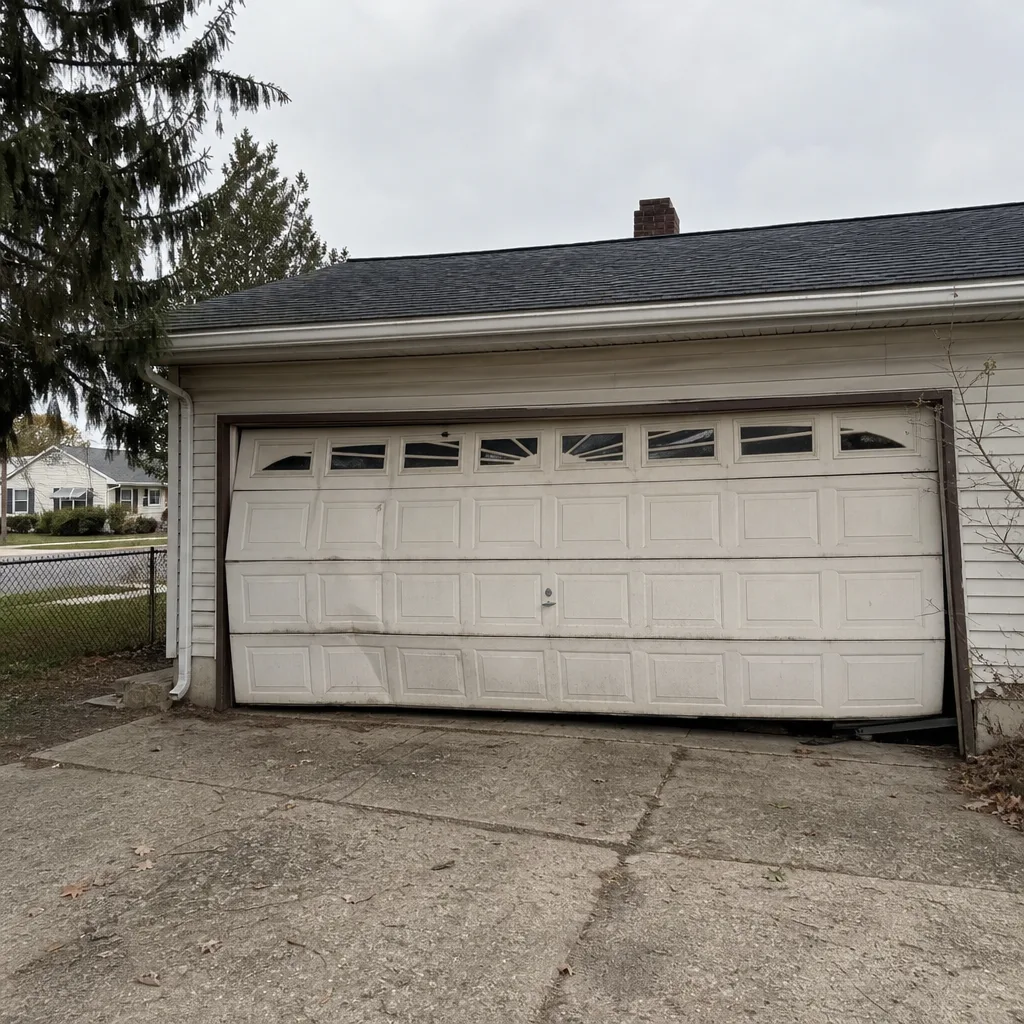 Before
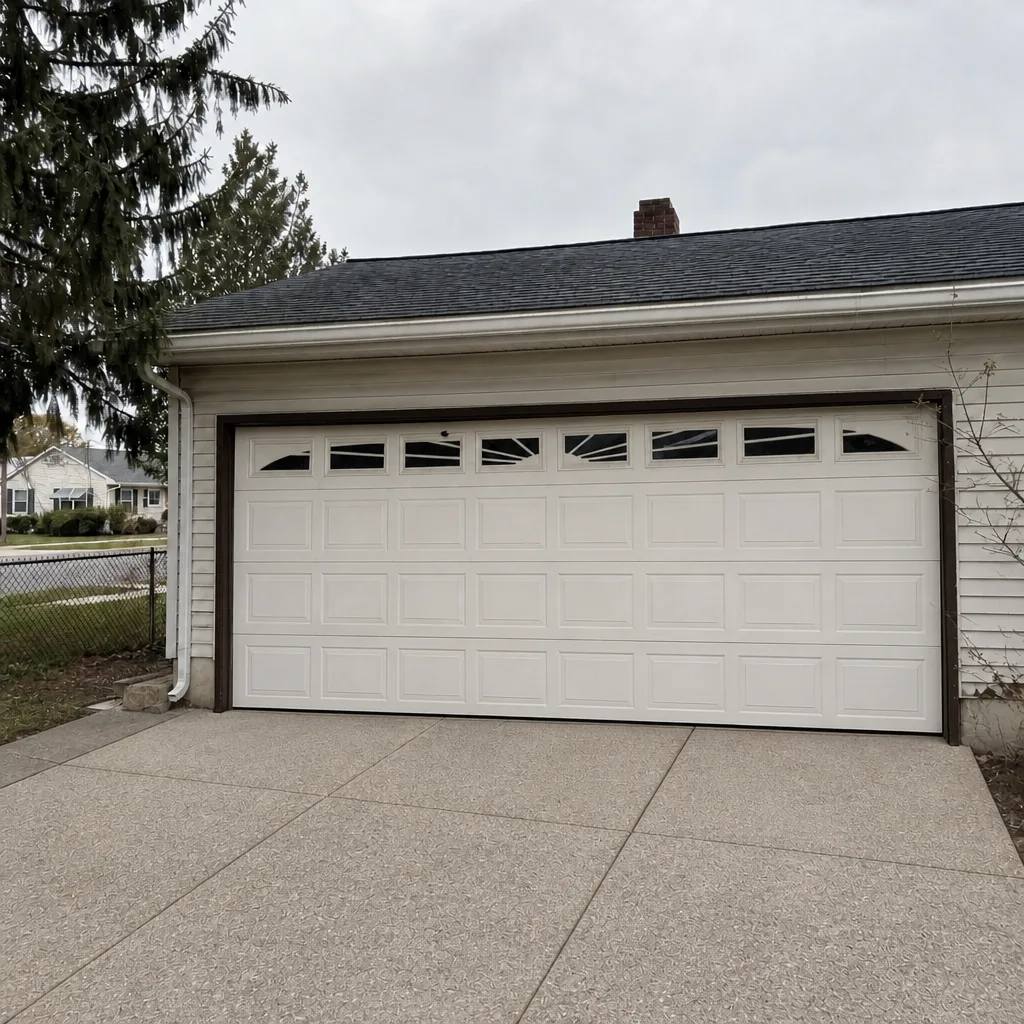 After
When to Call a Professional
Call a professional when a spring snaps, a cable frays, the door comes off track, or the opener runs but the door doesn’t move. Those are the situations where the wrong move turns a repair into a replacement. Call us sooner if the door is stuck open and the house is exposed, or if the opener has started making grinding or buzzing sounds that suggest a failing board. Brand familiarity matters most in these moments, and it’s why we invest in knowing the equipment we work on. Garage Door Repair Weequahic offers free estimates in Weequahic: call (833) 508-9169. We’re open Sunday through Friday, 7am to 7pm, and closed Saturday. For a full installation, we’ll measure and quote before anything is ordered or scheduled, and every price is written down and agreed before work starts.
Frequently Asked Questions
The best brand for a Weequahic home is the one with standard wear components and widely available parts. Clopay, Amarr, and Wayne Dalton are common choices, with Raynor and CHI worth considering if parts sourcing checks out. For openers, LiftMaster, Chamberlain, Genie, and Craftsman all have broad technician familiarity. Call (833) 508-9169 for a free estimate on your specific situation.
Yes, proprietary parts are a real long-term problem. When a manufacturer uses brand-specific springs, hinges, or opener boards, you can only source those parts through its dealer network, on its timeline, at its pricing. Standard components keep your repair options open and usually shorten downtime. If a brand’s replacement parts are backordered for weeks, that’s a red flag worth taking seriously before you buy.
You need an insulated door if the garage shares a wall, floor, or ceiling with conditioned living space. In that case, insulation reduces heat transfer and makes a difference in northern New Jersey winters. For a detached, unheated garage, insulation is a comfort and durability feature, not an energy feature. Ask yourself how the space will actually be used before paying the premium.
It depends on the brand, and that’s exactly the detail to ask about before you buy. Some manufacturers require the original installer to file the claim, which effectively ties the warranty to one company. Others allow any authorized technician to handle it. Ask for the warranty language in writing and confirm whether it transfers with the door.
In most cases, yes. We work on equipment from eight established brands: LiftMaster, Chamberlain, Genie, Clopay, Amarr, Wayne Dalton, Craftsman, and Raynor. That means you rarely need to call a second company for brand compatibility. If you’re not sure what brand you have, tell us what’s happening with the door and we’ll help identify it over the phone. Call (833) 508-9169 for a free estimate.
No, we’re closed Saturday. We’re open Sunday through Friday, 7am to 7pm. If a door fails on a Saturday, call us and we’ll book you for Sunday. For a non-urgent repair or a new installation, we can schedule a visit for a day that works within those hours. Call (833) 508-9169 to set it up.
The Bottom Line
Choose a garage door brand by serviceability first. Standard springs, cables, rollers, and drums keep your repair options open. Proprietary hardware ties you to one dealer and one timeline. Clopay, Amarr, and Wayne Dalton are common, broadly serviceable choices in the Weequahic area; pair them with an opener brand whose parts are widely available. Insulation is worth paying for on an attached garage and mostly a comfort feature on a detached one. And when something fails, call a specialist who knows your brand. Call (833) 508-9169 for a free estimate on garage door installation, or to plan out a repair.
If you’re weighing a new door against a repair, our Garage Door Repair Weequahic team can help you make that call honestly. We specialize in garage doors only: repair, opener repair, spring repair, and full installation, all from one company. The garage door repair we do most often starts with a diagnostic visit, and that’s where the brand conversation usually begins.
Written by the team at Garage Door Repair Weequahic.