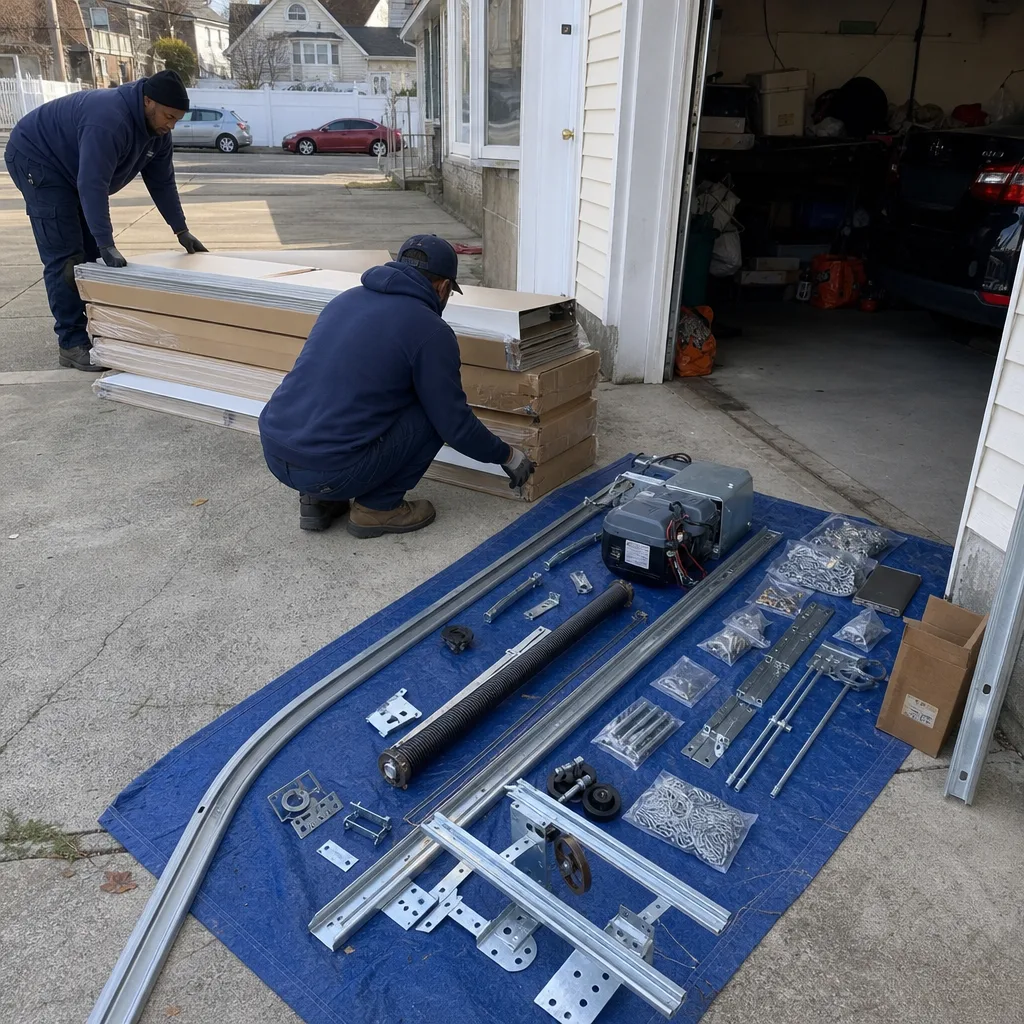
Last updated November 23, 2026
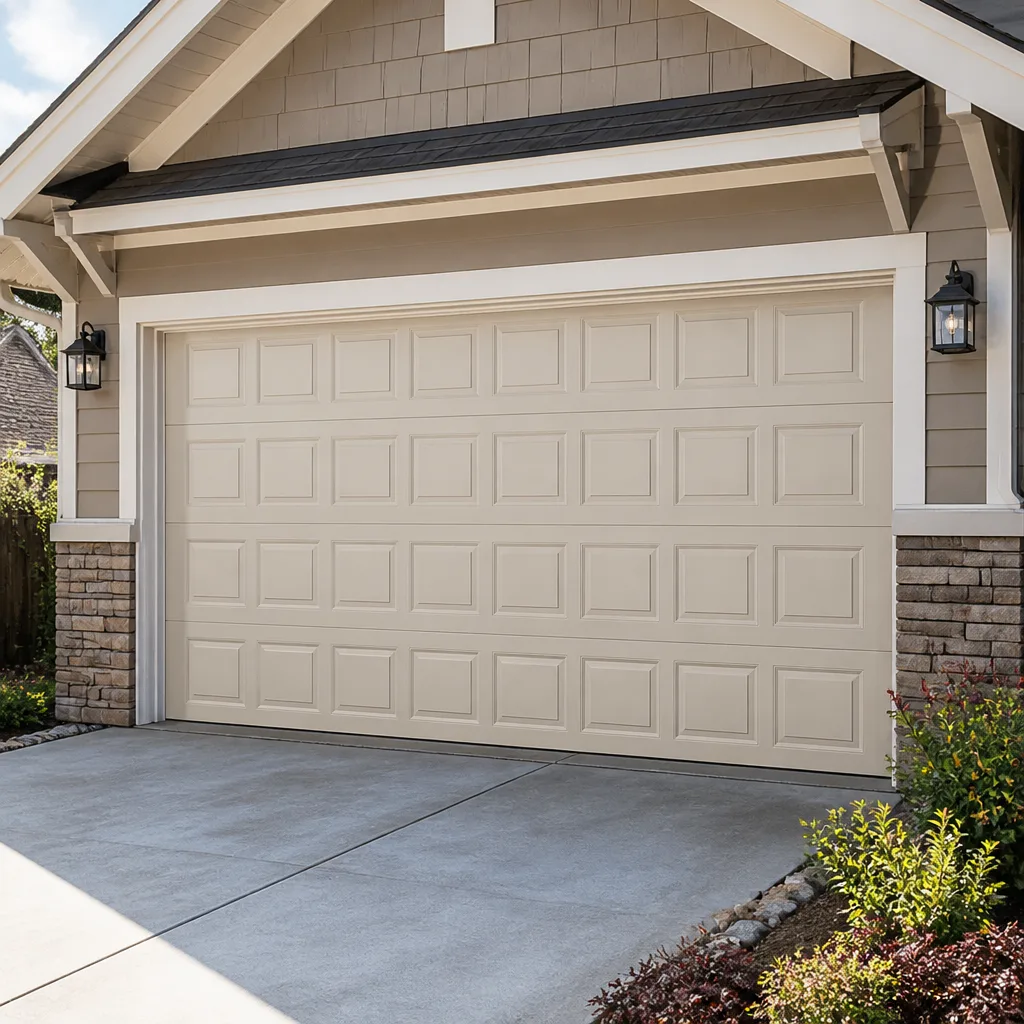 Raised-panel steel
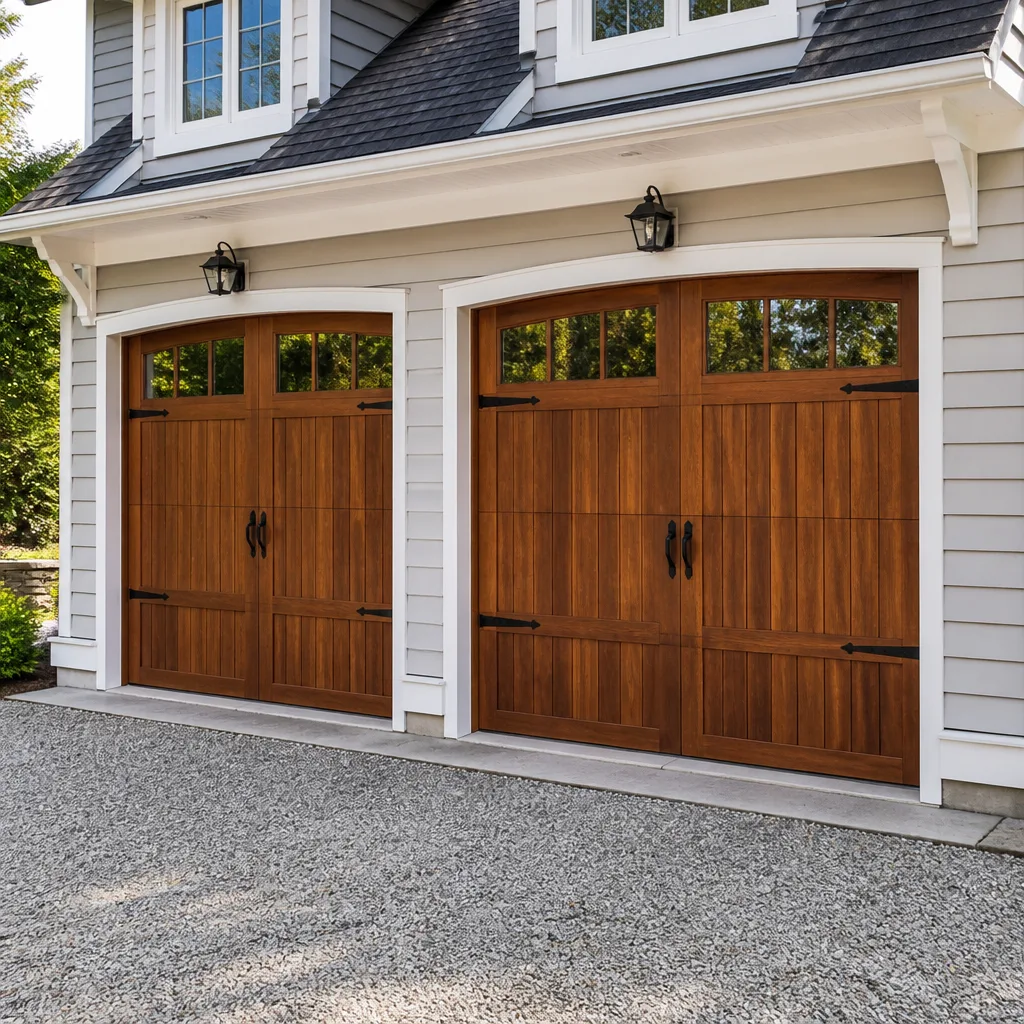 Carriage house
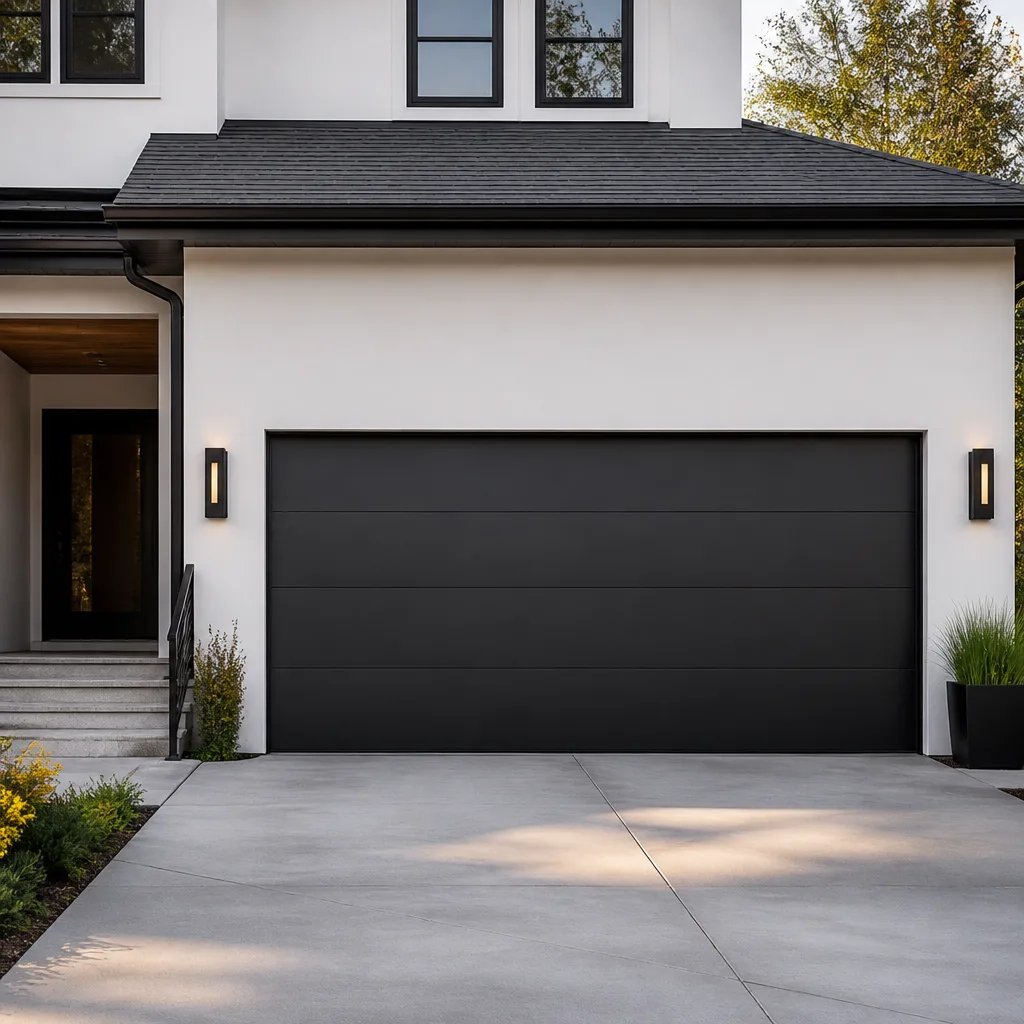 Modern flush
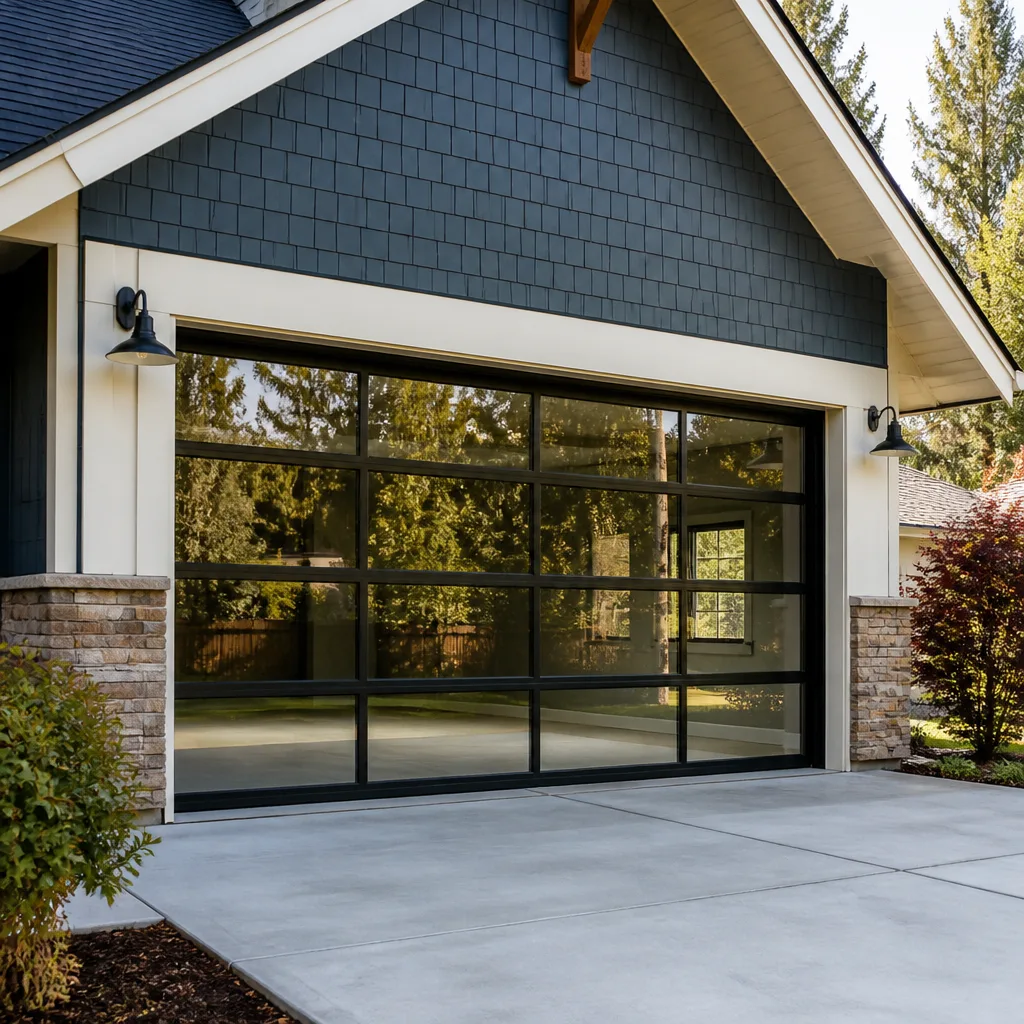 Full-view glass
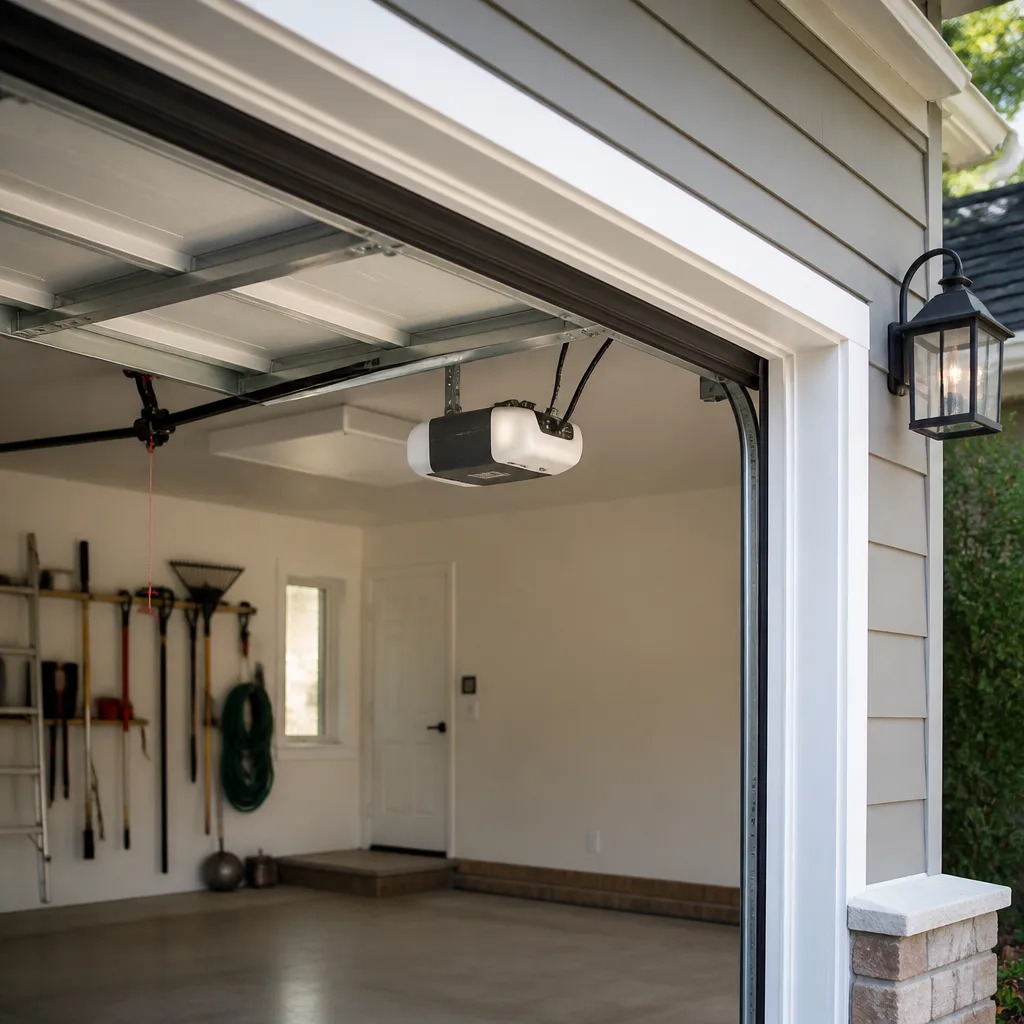 LiftMaster openers
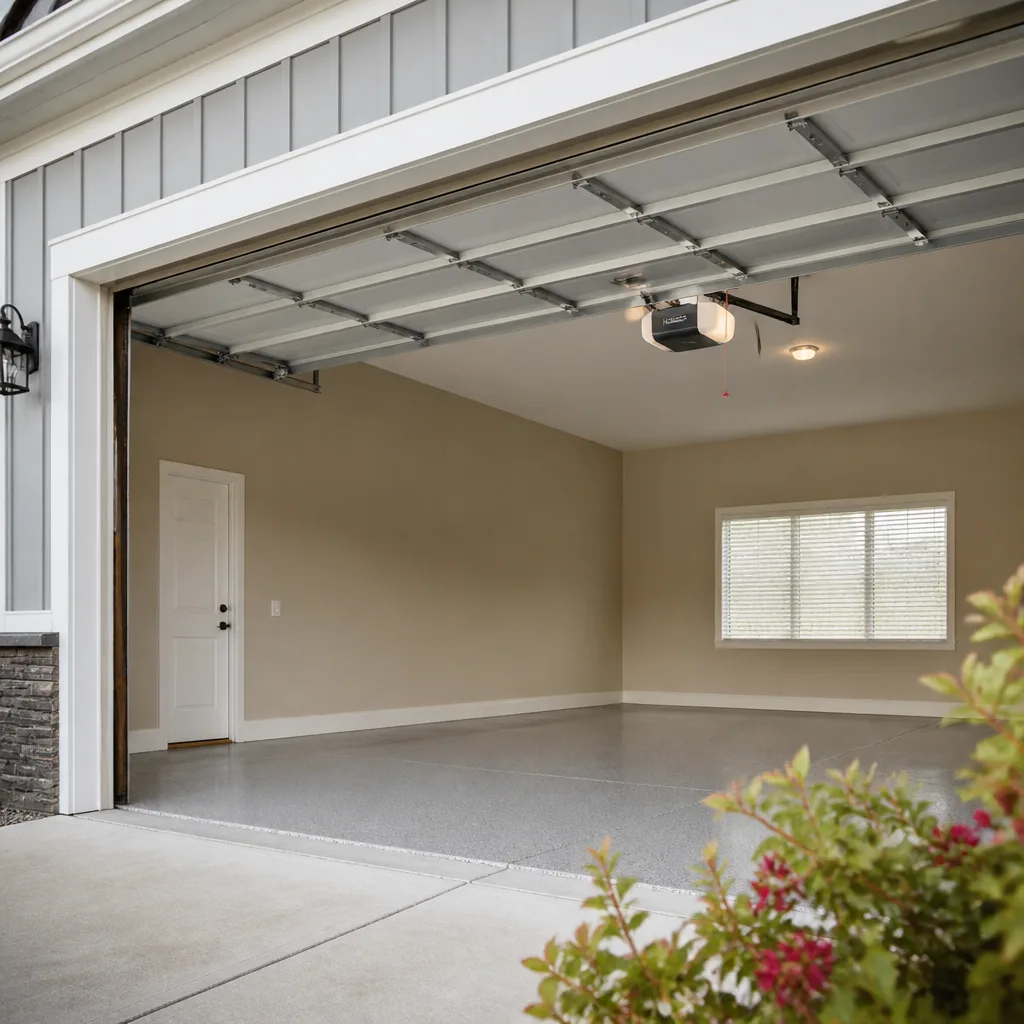 Chamberlain openers
Full 25-point door and opener safety check with every visit - springs, cables, rollers, tracks, and your LiftMaster or Chamberlain opener included
You get a price before we start. It does not change when the pro arrives.
Get your free estimateThe Complete Guide to Garage Doors in Weequahic
Most garage door guides are written for a three-car suburban driveway in Arizona. If your garage was built in 1952 and sits six feet from your neighbor’s fence, that advice is useless. In Weequahic, a neighborhood of dense two-family homes and older colonials, garages were built for smaller cars and narrower lots, and the equipment inside them rarely matches what a national guide describes. That’s why we put together this guide. It maps the decisions Weequahic homeowners actually face: sizing a door for a low header and a tight opening, judging whether a 30-year-old door is worth repairing or replacing, and understanding why alley-access garages can cost more to work on than a standard driveway setup. We’ll also walk through the parts and terms so you can talk to any technician without getting lost.
Quick Answer
Garage doors in Weequahic need a specialist because the neighborhood’s older, tightly packed housing stock creates problems generic guides don’t address: narrow carriage-house openings, low headers, uneven floors, and alley-access garages that restrict installer access. Choosing between repair and replacement usually comes down to the door’s age, its hardware condition, and whether the opening can accept a modern sectional door without structural changes. A free measure and written estimate is the right first step for any Weequahic garage door decision.
Styles & brands we work with
- Raised-panel steel
- Carriage house
- Modern flush
- Full-view glass
- LiftMaster openers
- Chamberlain openers
Table of Contents
- How Weequahic’s Housing Stock Shapes Garage Door Problems
- Tilt-Up, Roll-Up, and Sectional Doors: What You’ll Actually Find Here
- Repair or Replace? The Local Decision Framework
- Alley-Access and Tight-Lot Garages: The Access Cost Most Estimates Skip
- Sizing a Door for Low Headers, Narrow Openings, and Uneven Floors
- Brand Compatibility: Why the Label on Your Opener Matters
- A Homeowner’s Glossary of Garage Door Parts and Terms
How Weequahic’s Housing Stock Shapes Garage Door Problems
Weequahic’s homes were built for a different era of car ownership and a different way of using a garage. Many of the colonials and two-family homes here were built with detached garages that sit at the end of a narrow driveway, or with an attached garage whose opening was sized for a smaller vehicle than most people drive today. That single fact drives most of the sizing, hardware, and access problems Weequahic homeowners run into.
The most common issues we see in Weequahic homes trace back to a handful of construction details:
- Low headers. Older garages often have a header (the beam above the opening) that leaves less clearance than a modern sectional door needs to travel up and back. This is the single biggest reason a standard off-the-shelf door won’t fit without adjustment.
- Narrow openings. A carriage-house opening built for an older, smaller car may be several inches narrower than what a modern door manufacturer lists as standard. The door has to be made to the opening, not the other way around.
- Uneven floors. Settled slabs and cracked aprons are common on lots that have seen decades of freeze-thaw cycles. An uneven floor throws off the door’s seal and can wear out the bottom weatherstripping faster.
- Tight side clearances. When a garage sits close to a fence line or a neighboring structure, there’s less room for the track and torsion hardware to sit beside the opening.
None of this is unusual for a neighborhood built in this era. But it does mean that a Weequahic garage door job is rarely a straight swap. In our experience, the measure is where most of the value sits: a technician who measures the opening’s header height, width at the tightest point, and the floor’s high and low spots will catch problems before the door is ordered. If the door arrives and doesn’t fit, you’re the one waiting on a second delivery.
If you’re already dealing with a door that won’t close right because of these construction quirks, it’s worth calling garage door repair early, before a small alignment problem turns into a bent track or a stripped gear.
Tilt-Up, Roll-Up, and Sectional Doors: What You’ll Actually Find Here
Weequahic’s older garages still hold a mix of three door styles, and each one replaces differently. Knowing which you have tells you a lot about what a replacement will involve, and it’s the first thing a technician should confirm before pricing anything.
Tilt-up doors
A tilt-up door is a single rigid panel that swings out and up in one piece, pivoting on hinges at the sides. These are common on mid-century Weequahic garages because they were built when that was the standard option. Replacing one usually means switching to a sectional door, because tilt-up hardware is harder to source now and takes more overhead clearance during the swing. The trade-off is that a tilt-up needs a deep driveway in front of it to swing out safely, and on a tight lot, that swin room may not exist. If your tilt-up opens toward a fence or a narrow alley, a sectional conversion is often the more practical path.
Roll-up doors
A roll-up door is made of horizontal slats that curl up into a coil above the opening. You’ll see these on some detached garages and on any garage that was later converted for storage or commercial-style use. Roll-ups need very little headroom, which makes them a good option where a low header rules out a standard sectional. The trade-off is less insulation and a different look than most Weequahic homeowners want on the front of the house.
Sectional doors
A sectional door is made of four or more horizontal panels that ride on tracks and fold up under the ceiling. This is the most common replacement choice for Weequahic homes today because it works with a wide range of opening sizes and can be ordered to fit narrow or low-clearance openings. Sectionals are also the easiest to insulate and the most compatible with modern opener systems.
When you’re ready to compare styles and materials for a replacement, the next step is a free measure and a written estimate. You can see what a full garage door installation involves before you commit to a style, instead of guessing from a showroom photo.
Repair or Replace? The Local Decision Framework
In our experience working on Weequahic homes, the repair-or-replace question usually comes down to three things: the door’s age, the condition of the hardware behind it, and whether the opening can accept a modern door without extra structural work. A door that’s 30 years old on a Newark-area home isn’t automatically a replacement; a newer door with a snapped spring isn’t automatically a repair job. The answer depends on the specific pieces in front of you.
Here’s the framework we use when we’re standing in a Weequahic driveway looking at an older door:
- Check the panels first. If the panels are still straight and the skin isn’t rusted through at the bottom edge, the door itself may have plenty of life left. A repair on the hardware is often the smarter spend.
- Look at the tracks and hinges. Bent or rusted tracks and worn hinges are replaceable, but if the track anchors have pulled out of the wood frame, that’s a sign of a bigger structural issue that a repair won’t fix.
- Check the opener’s age and compatibility. An older opener may still work fine, but if it can’t pair with modern safety sensors or a current remote system, replacing it alongside the door can make more sense than nursing it along. That’s a good moment to look into garage door opener repair or a full opener swap so the door and the drive system are matched.
- Weigh the opening’s size. If the opening is narrow or the header is low, a replacement door has to be custom-fit, which adds cost. If the door is otherwise sound, repairing the existing hardware may be the better move until a full replacement is truly needed.
- Ask what the repair gets you. A single repair on a 30-year-old door that fixes the current problem is often worth it. A repair that patches one part while three others are close to failing is throwing good money after bad.
One rule of thumb we share with Weequahic homeowners: if the repair estimate approaches a big share of what a new door would cost, the replacement math gets easier to justify, especially on a door that’s already past its expected service life. That said, the written estimate is the number that matters, and we quote and agree on price before any work starts.
Common Weequahic repair jobs and typical estimate ranges
Prices vary by door and by how much access the job allows, but the ranges below reflect what these common repairs typically run. A single spring is one price; a matched pair of springs is usually replaced together and costs about twice a single spring.
- Single torsion spring replacement: typically $180 to $340 per spring
- Matched pair of springs: about twice a single spring, since both are almost always replaced together
- Opener repair or replacement: varies by opener type and brand; written estimate required
- Track, roller, or hinge repair: varies by how many components need replacing; written estimate required
- Full door replacement: varies by door style, size, and access; free measure and written estimate required
We never quote a range and then surprise you at the end. The written estimate sets the final price, and we don’t start work until you’ve agreed to it.
Alley-Access and Tight-Lot Garages: The Access Cost Most Estimates Skip
One of the most overlooked factors in a Weequahic garage door job is how the technician actually gets to the garage. Many Weequahic garages are reached through an alley, a narrow shared driveway, or a side entrance that leaves very little room to bring in a door, a ladder, or a truck. That access problem adds real labor time, and it’s the kind of thing a standard estimate can miss if the person quoting hasn’t seen the property.
Here’s what access-limited jobs look like in practice:
- Long carries. If a truck can’t get close to the garage, every panel, track section, and spring assembly has to be carried in by hand. On a new installation, that’s a lot of walking.
- Narrow doorways and gates. A standard door panel won’t fit through a narrow side gate. In some cases, panels have to be brought in through the front of the garage and assembled inside, which changes the labor.
- Height restrictions. Mature trees and low rooflines near the driveway can block a ladder setup. If the technician can’t safely reach the header from outside, the work has to be staged differently.
- Shared driveways. Where a driveway is shared with a neighbor, the work has to be scheduled so it doesn’t block anyone in. That’s not a cost item on its own, but it does affect how a job is planned.
This is why a free measure matters so much more in Weequahic than it does in a suburb with wide driveways. The measure isn’t just about the door’s dimensions; it’s about seeing how the technician will get in, what they can bring with them, and whether the job needs extra hands or extra time. If a quote comes in without anyone looking at the access, ask whether that price covers it. Any honest estimate should account for access up front.
For homes where the garage itself is failing – a door off its track, a broken opener, a car stuck inside – access limits also affect emergency response. We treat Garage Door Repair Weequahic as a same-day and emergency service because a garage door that won’t open is a serious problem for a household that relies on it daily.
Sizing a Door for Low Headers, Narrow Openings, and Uneven Floors
A garage door is measured to the opening, not the other way around. In Weequahic, that means a technician measures three things before ordering anything: the header height, the width at the tightest point, and the floor’s high and low spots. Miss any one of those and a standard door size won’t fit.
Here’s the sequence a proper measure follows:
- Measure the width at the narrowest point. Old garages are rarely perfectly square. The narrowest point is what the door has to clear, not the average width.
- Measure the headroom. Headroom is the space from the top of the opening to the ceiling. A standard sectional door needs a certain amount of headroom to travel up and back; a low header or a low ceiling changes the door type you can use.
- Measure the back room. Back room is the depth from the door opening back into the garage. A door that opens too far back will hit a car, a stored item, or the back wall.
- Check the floor’s high and low spots. An uneven floor means the bottom weatherstrip needs to be adjusted, or the door needs a different seal type, so it doesn’t leave a gap at the low corner.
- Confirm the side clearances. The track and torsion hardware need room beside the opening. On a tight lot, that space may be limited, which affects the hardware layout.
In Weequahic, the low header is the most common reason a replacement can’t just match a standard size. A door with a low-clearance track system can be fitted where a standard one won’t, and a technician who knows the garage stock here will check for it before promising a size. A free measure catches this early, which is why it’s the first step we recommend on any replacement project in Weequahic.
Brand Compatibility: Why the Label on Your Opener Matters
The brand on your opener and the brand on your door are two separate compatibility questions, and both matter when you’re deciding on a repair. If your opener is a Craftman or a Genie that’s paired with a Wayne Dalton door, that’s a perfectly workable combination – but a technician has to know the specific parts for both. That’s why we service equipment from the brands you’ll find on Weequahic homes: LiftMaster, Chamberlain, Genie, Clopay, Amarr, Wayne Dalton, Craftsman, and Raynor.
Here’s why brand matters more than most homeowners expect:
- Opener parts differ by brand. A Genie gear assembly won’t fit a Chamberlain unit. Knowing your opener’s brand and model saves a return trip and a second part order.
- Door hardware isn’t universal. Hinges, rollers, and track components vary between manufacturers. A garage door specialist who works with Amarr and Wayne Dalton doors already knows which hinge profile goes with which panel design.
- Opener and door have to work together. An opener sized for a heavier steel door may strain on a lighter door, and a door that’s too heavy for a smaller opener will wear it out faster. Matching the two at the time of installation prevents a lot of future repairs.
- Brand-specific remotes and sensors. Older openers from the major brands sometimes use remotes and safety sensors that are hard to find as direct replacements. A technician who works across these brands can usually find a compatible option without forcing a full opener swap.
If your opener has stopped working and you’re not sure what brand it is, that’s fine. A technician can identify it from the unit’s label or the drive type. But knowing the brand up front can speed up the diagnosis and get a part on order sooner.
A Homeowner’s Glossary of Garage Door Parts and Terms
One of the simplest ways to get a fair repair is to be able to name what you’re looking at. You don’t need to be an expert; you just need enough vocabulary to describe the problem and understand the estimate. Here’s the glossary we’d hand any Weequahic homeowner before a service call.
Parts and components
- Torsion spring: The big spring mounted on a shaft above the door, horizontally, that does most of the lifting work. This is the spring that most commonly fails, and it’s under high tension.
- Extension spring: The older style of spring that runs along the tracks on either side, rather than above the door. Common on older Weequahic garages.
- Track: The metal rails the door rides on. Tracks have horizontal and vertical sections, and damage to either one can bind the door.
- Rollers: The small wheels that ride inside the track. Worn rollers are a common cause of a noisy or jerky door.
- Hinges: The metal joints between door panels on a sectional door.
- Bottom weatherstrip: The rubber seal along the bottom edge of the door. It’s the part that seals out weather and can wear out on uneven floors.
- Header: The beam above the garage opening. The height of the header determines what type of door and track system can fit.
- Headroom: The space above the opening to the ceiling. A low headroom means a low-clearance track or a different door type.
- Back room: The depth from the opening back into the garage, which limits how far a sectional door can travel when it opens.
- Safety sensor (photo eye): The small sensor pair at the bottom of the door that stops the door if something is in its path. A misaligned sensor is one of the most common reasons a door won’t close.
- Torque and gear assembly: The internal parts inside the opener that turn the drive. When an opener hums but doesn’t move the door, these are usually the first suspect.
Terms you’ll hear on a service call
- Balance: How well the door stays at the halfway point when you lift it by hand. An unbalanced door means a spring problem or a worn track.
- Cycle: One full open-and-close of the door. Springs are rated for a certain number of cycles, and heavy daily use uses them up faster.
- Clearance: The space around the door the hardware needs to operate. Tight clearance is a Weequahic-specific concern on narrow lots.
- Roll-up, tilt-up, sectional: The three main door styles covered above. Knowing which you have is the first question on any service call.
If you can describe the problem using any of these terms, you already have a head start on getting an accurate diagnosis and a fair estimate. And if you’re not sure, we can work through it when you call.
Common Mistakes to Avoid
Here are the mistakes we see Weequahic homeowners make most often. A few of them cost real money; the rest just add stress to an already stressful situation.
- Skipping the measure and ordering a standard-size door. A standard door may not fit a Weequahic opening, and a door that doesn’t fit means a return, a re-order, and a delay. Always get a free measure before ordering.
- Replacing a spring without checking the other one. On a matched pair, replacing one spring and leaving the other in place usually means the second spring fails soon after. A technician who knows to check both saves you a second service call.
- Assuming the opener is the problem when it’s the door. A door that won’t open is often a spring, track, or sensor issue, not an opener issue. Diagnosing first and replacing second avoids paying for an opener you didn’t need.
- Not checking the access before scheduling a replacement. An alley-access or tight-lot garage changes how a job is planned. Ask the person quoting to see the access before giving a price.
- Letting a small alignment problem sit. A slightly off-track or binding door will wear out the opener’s gears faster than a door that’s aligned and balanced. Fixing the small problem early is usually cheaper than fixing the bigger one that follows.
- Paying a deposit before a written estimate. Every job should come with a written estimate that sets the price before work starts. If a quote is verbal or vague, ask for it in writing.
- Buying a replacement door without confirming the opener will work with it. A door that’s heavier than what the opener was sized for will strain the opener. Matching the door and the opener at the same time avoids that problem on the front end.
See the difference
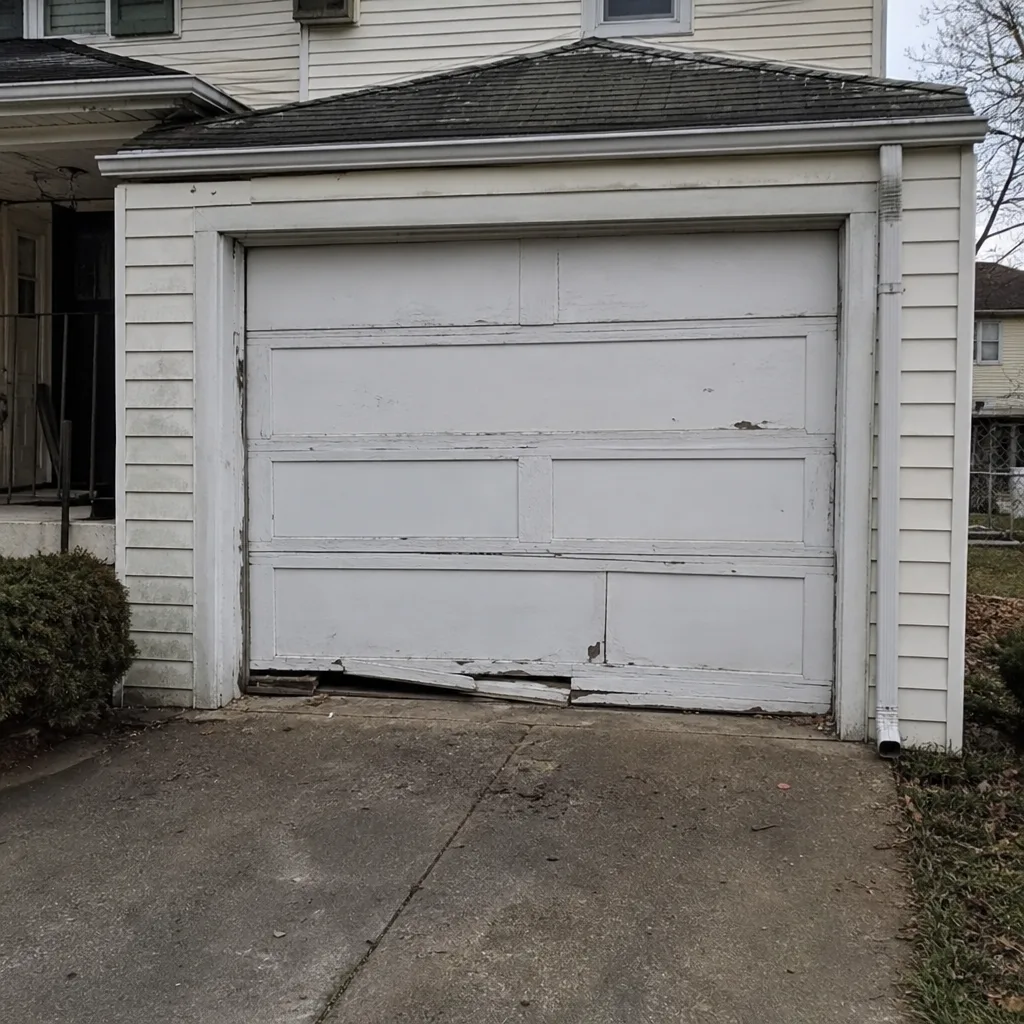 Before
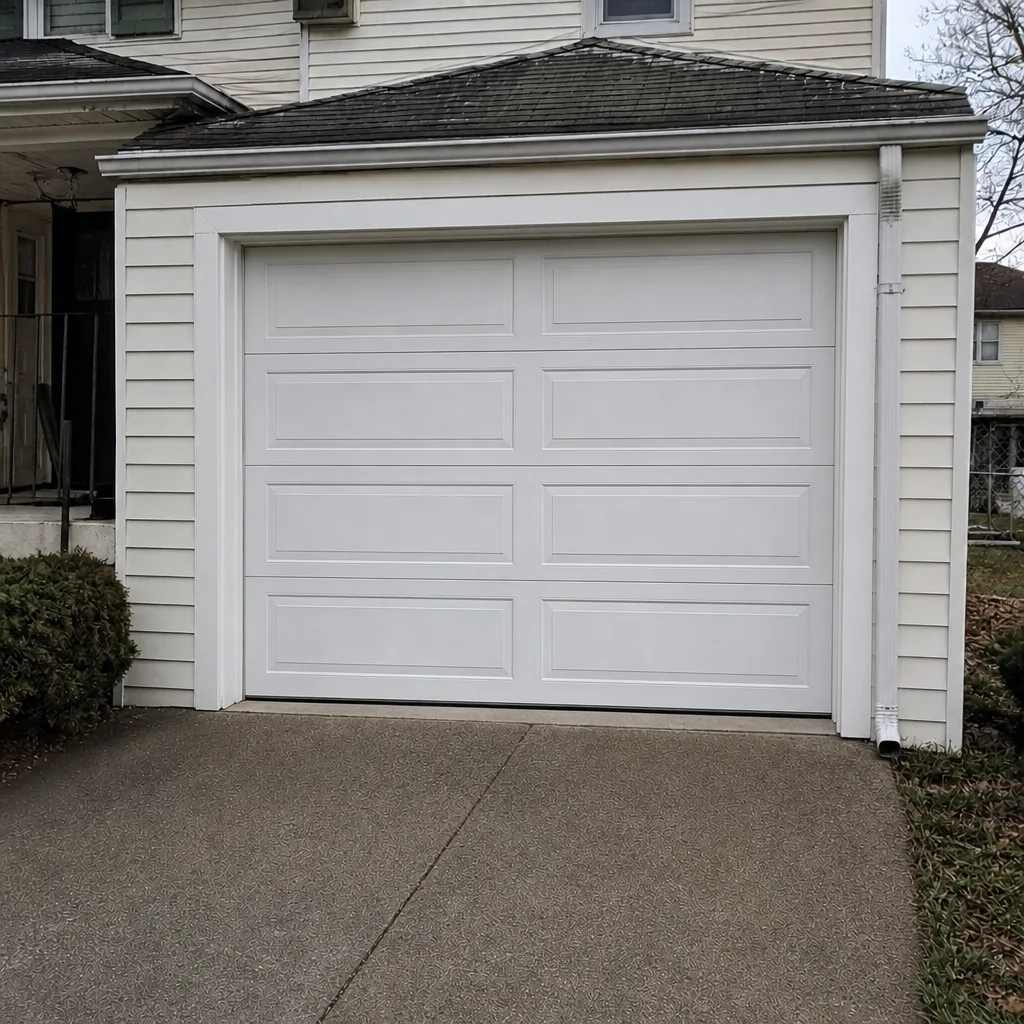 After
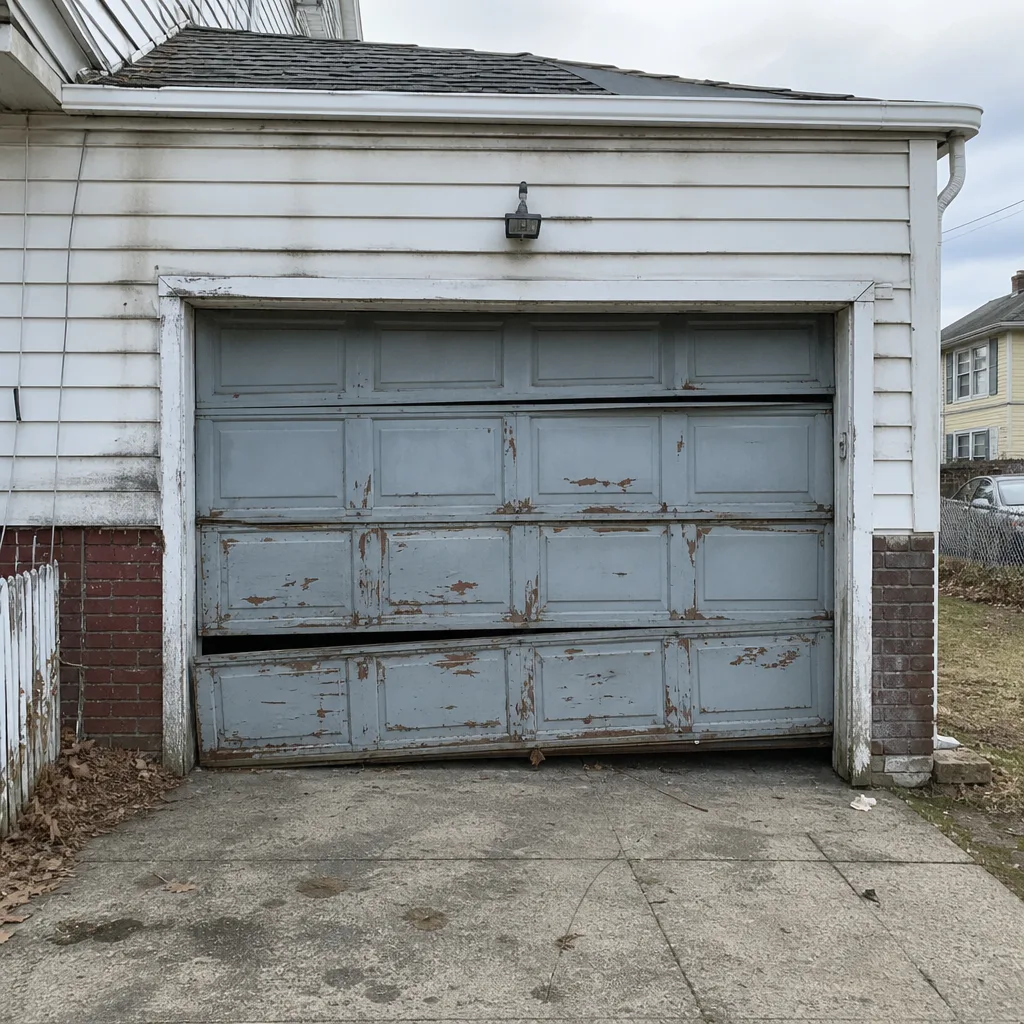 Before
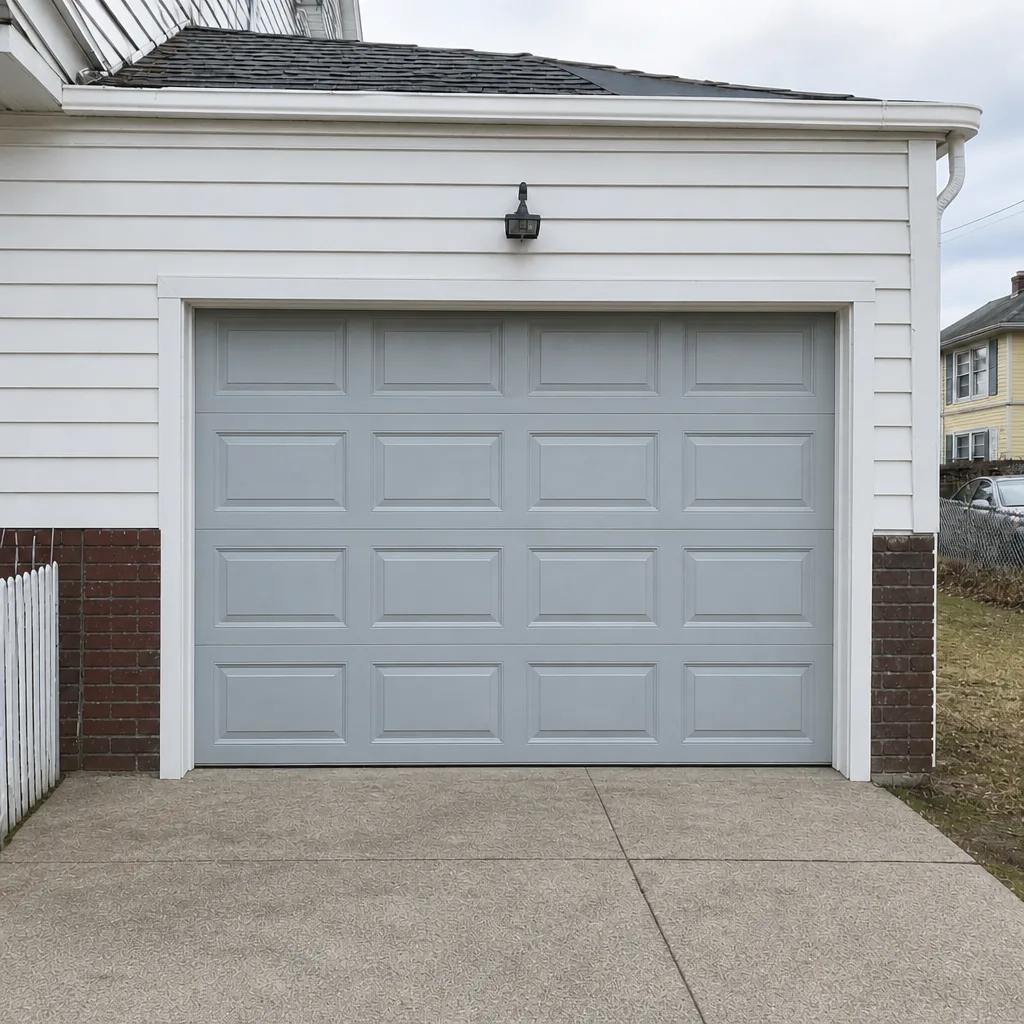 After
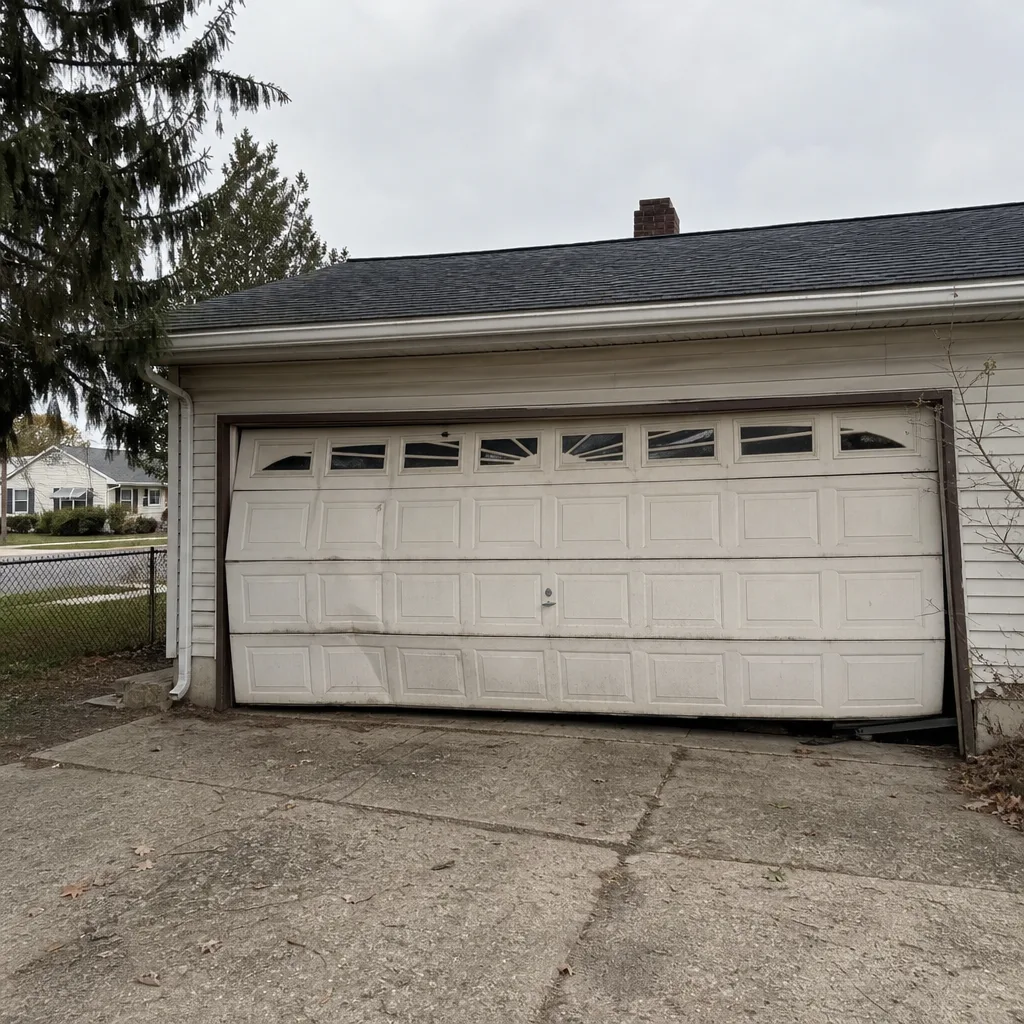 Before
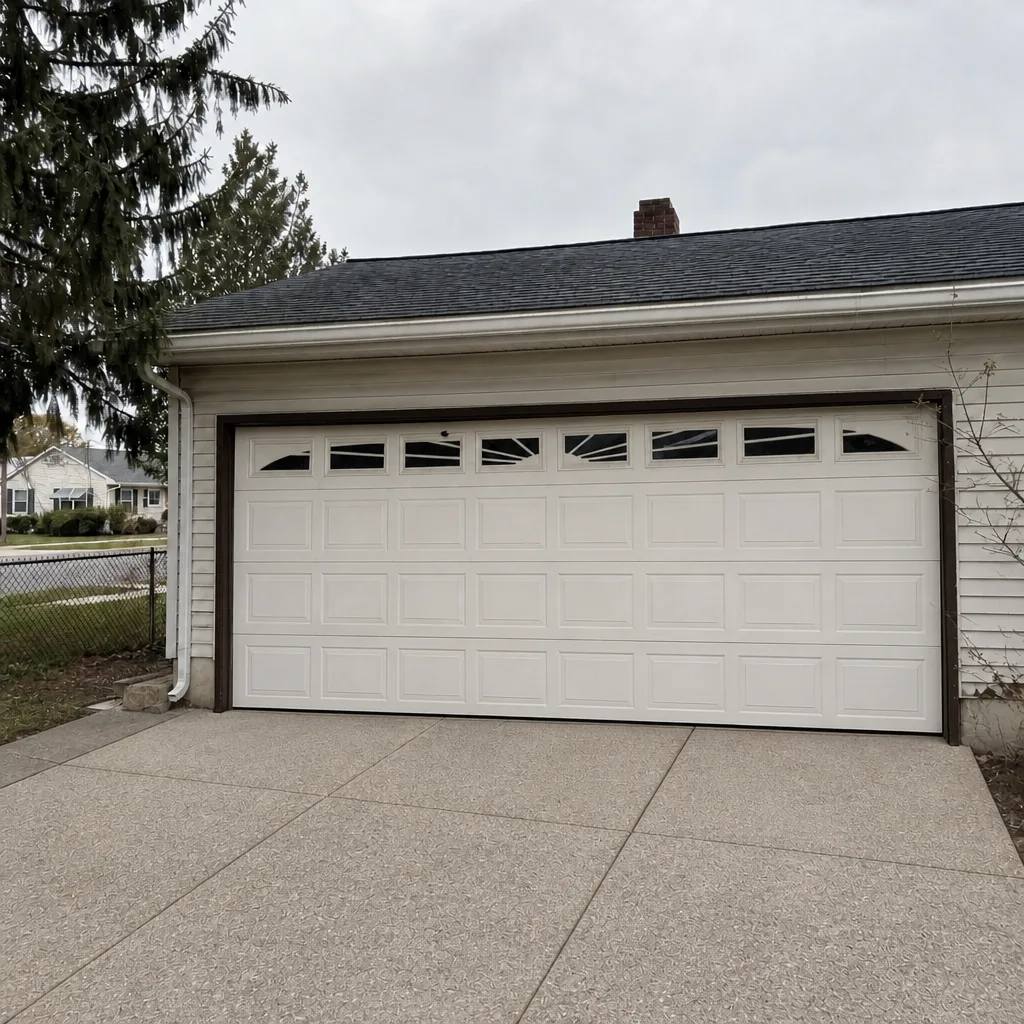 After
When to Call a Professional
Some garage door problems are cosmetic and can wait. Others can’t, and a few involve hazards that a homeowner should never handle alone. A torsion spring under tension is one of the most dangerous parts of any garage door system. A spring that breaks under load, or a cable that comes loose under tension, can cause serious injury if someone tries to handle it without training and proper tools. If you suspect a spring or cable problem, don’t try to open the door by hand or reach for the spring assembly. Call a professional instead.
Call us when the door won’t close, when the opener hums but the door won’t move, when a spring has visibly broken (usually a clear gap in the coil), when the door is off its track, or when a car is stuck inside. We also want to hear from you if you’re not sure whether a repair or a replacement makes sense. Garage Door Repair Weequahic offers free estimates in Weequahic – call (833) 508-9169.
Frequently Asked Questions
It depends on the problem. Single torsion spring replacement typically runs $180 to $340 per spring, and a matched pair of springs is usually replaced together at about twice that. Opener, track, and roller repairs vary by the parts involved. The written estimate sets the price, and we quote before any work starts. Call (833) 508-9169 for an exact quote – estimates are free.
Often, yes. Emergency and same-day service is a standard part of what we do, not a special promotion, and a broken spring or a door off its track is exactly the kind of job that gets handled quickly. Call (833) 508-9169 and we’ll talk through what’s available.
No, the written estimate is the price you agree to before work starts. If the technician finds something on site that changes the job, they’ll explain it and get your agreement before doing any additional work. Call (833) 508-9169 for an estimate.
The local professionals we connect you with are licensed and insured as their state requires. Our technicians have up to 8 years of experience, and they work on equipment from the brands you’ll find on Weequahic homes. Call (833) 508-9169 to talk through your job.
Usually, yes. Alley-access and tight-lot garages in Weequahic just need the access factored into the plan, which is why a free measure before ordering matters. A technician who sees the access can plan the job around it. Call (833) 508-9169 to schedule a measure.
Most cities require a permit for a full garage door replacement, though the rules vary by municipality and by the scope of the job. Your city’s building department can confirm what applies to your address. We can talk through the job itself when you call (833) 508-9169.
The Bottom Line
Weequahic’s older, tightly packed housing stock changes how garage door work gets done here. Narrow openings, low headers, and alley-access garages mean the measure is where most of the value sits, and a standard-size door often won’t fit without custom sizing. When a door fails, diagnose before replacing, check the springs as a pair, and confirm the opener matches the door. When a project can’t wait, call for same-day or emergency service. And on any new door or full replacement, start with a free measure and a written price so the estimate you get is the price you pay.
To get a free estimate on a repair, a replacement, or a new installation in Weequahic, call Garage Door Repair Weequahic at (833) 508-9169. We’ll walk through your options, quote it in writing, and get it fixed right the first time.
Written by the team at Garage Door Repair Weequahic.